


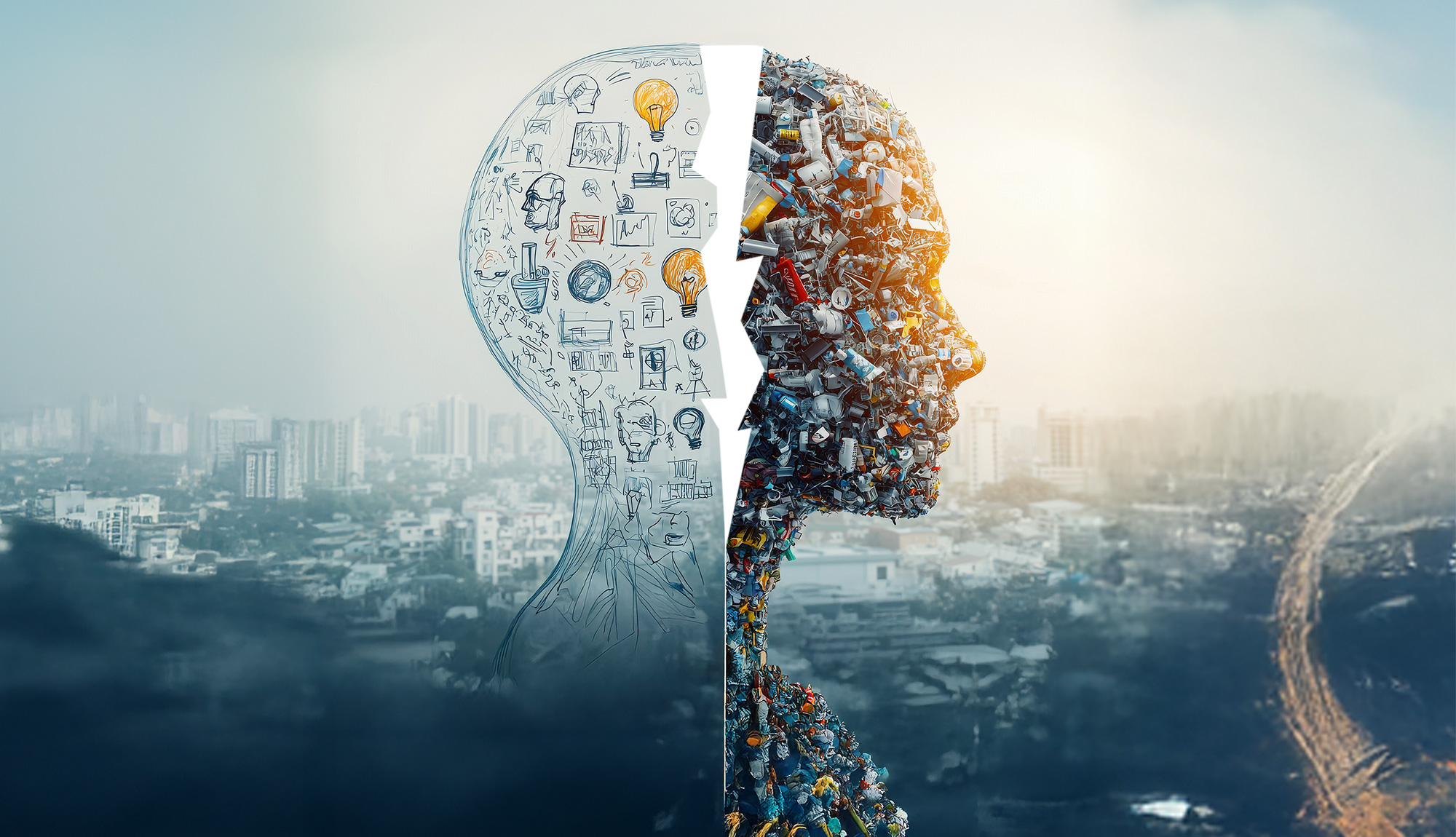
Mind the gap
The seventh POLYPROBLEM report, “MIND THE GAP – Plastic Waste swims between values and reality,” deals with the causes and effects of the so-called intention-behavior gap.

Polysolution Lunch: Plastic Treaty Future
The negotiations for the global plastics agreement are in full swing! What impact will the negotiators' decisions have on the global volume of plastic waste? Systemiq has modeled different scenarios.
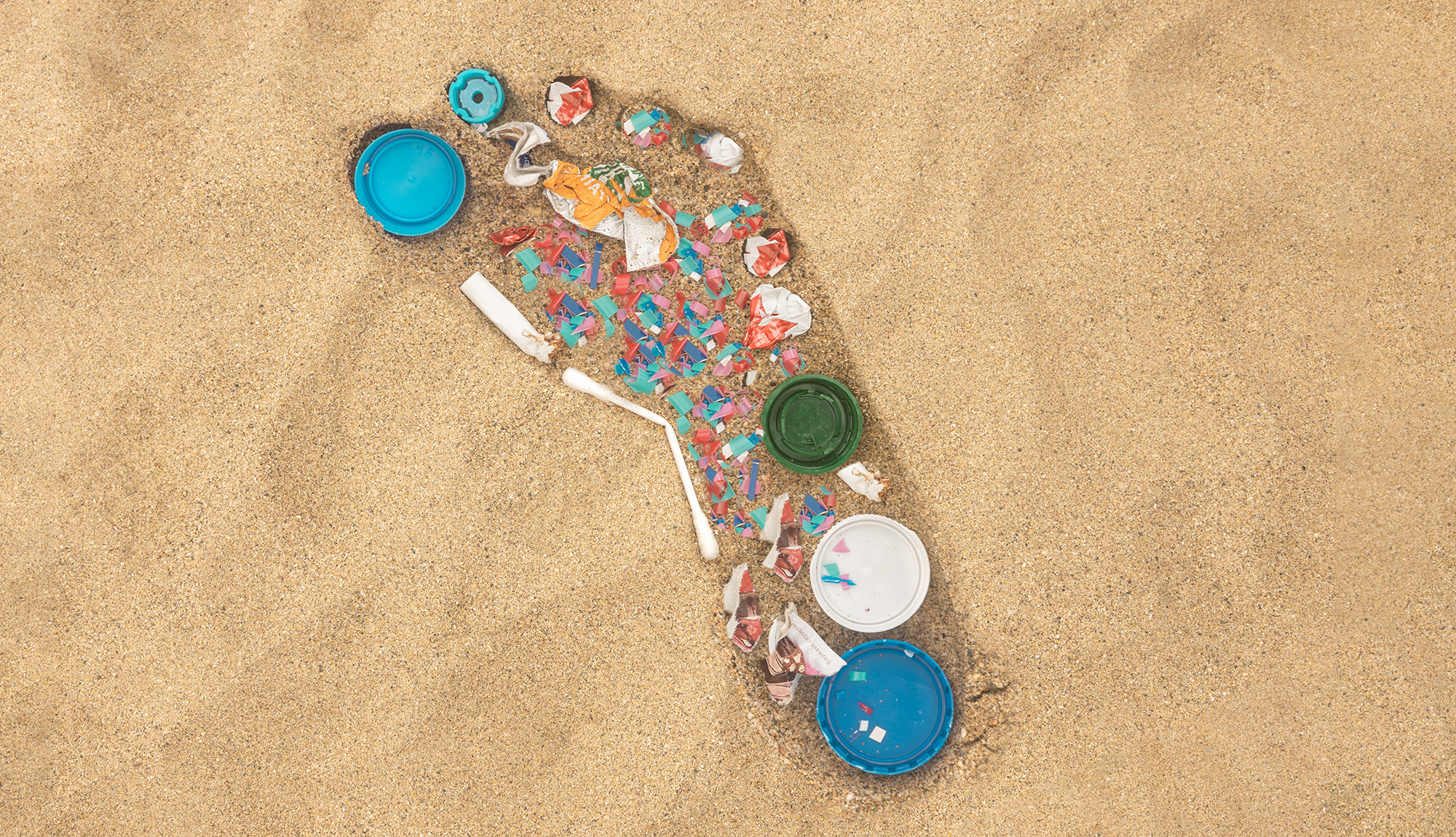
Buy your way out
Offsetting measures still play a subordinate role in combating the global plastic waste crisis. This is mainly due to an intransparent market and inadequate standardization.
Buy your way out
Offsetting measures still play a subordinate role in combating the global plastic waste crisis. This is mainly due to an intransparent market and inadequate standardization.
Polysolution Lunch: Plastic Treaty Future
The negotiations for the global plastics agreement are in full swing! What impact will the negotiators' decisions have on the global volume of plastic waste? Systemiq has modeled different scenarios.
Mind the gap
The responsible use of natural resources is one of the most pressing global challenges of our time.
The Röchling Foundation supports initiatives and organizations that contribute to a circular life and economy with practical solutions, and in particular helps to avoid and reduce plastic waste in the environment.
With our own projects, we create transparency and strengthen the cooperation of civil society, business, science and politics.
We are creating collaborations.
The Röchling Foundation supports civil society organizations committed to the transition from a linear to a circular way of life and economy. Learn more about our funding guidelines here.
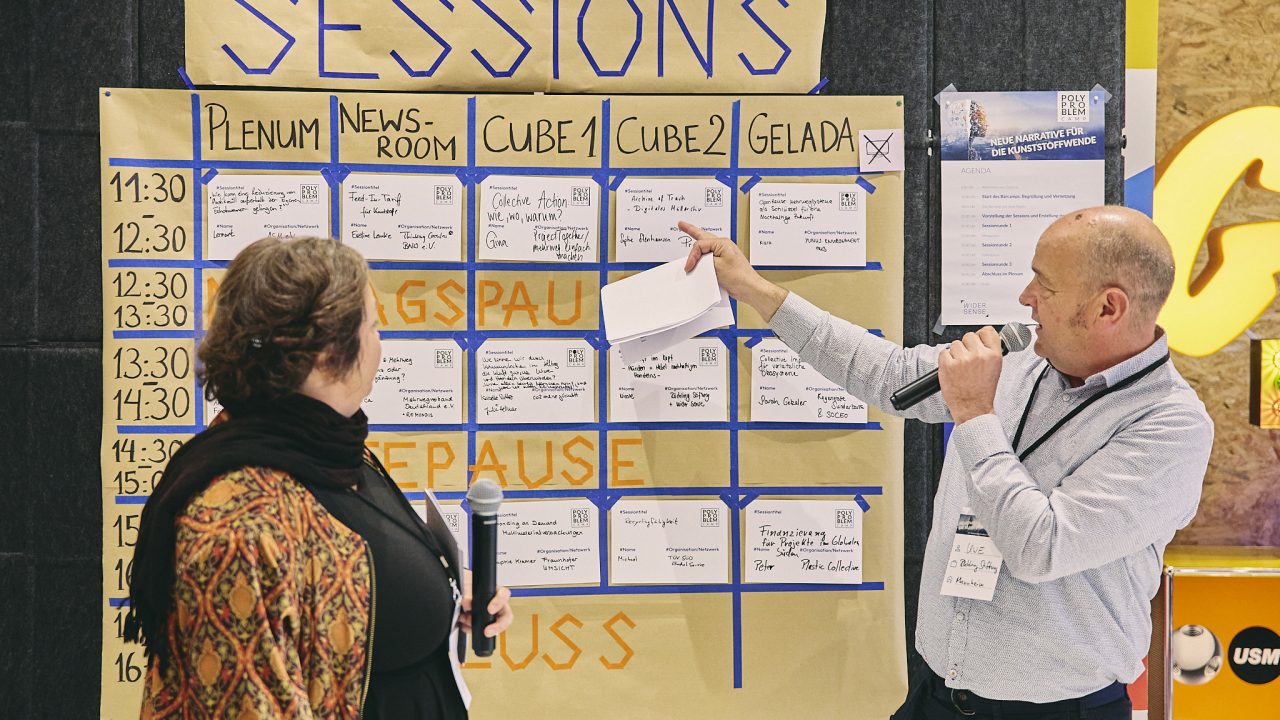
How can a sustainable future with plastic succeed? This question was the focus of our first POLYPROBLEM Camp "New Narratives for the Plastic Transition" in Frankfurt, which brought together experts from civil society and business in Frankfurt.

The Bauwende Allianz strives for a climate and socially positive construction and housing sector in Germany. To this end, it mobilizes and connects transformation agents in a broad, mission-oriented movement.
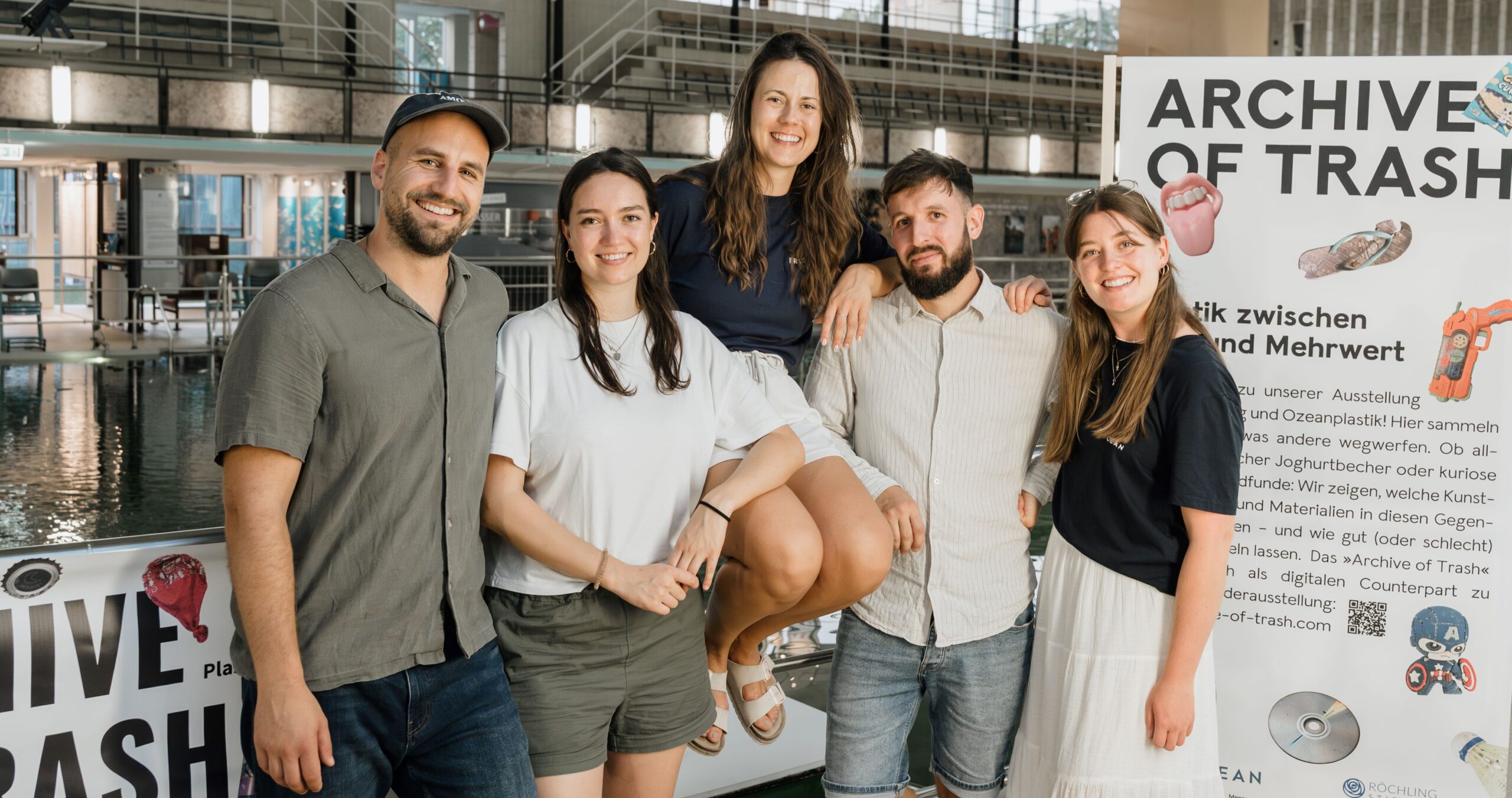
The Pro Ocean organization playfully educates consumers about the differences between "good" and "bad" plastic, thereby promoting conscious consumer decisions.
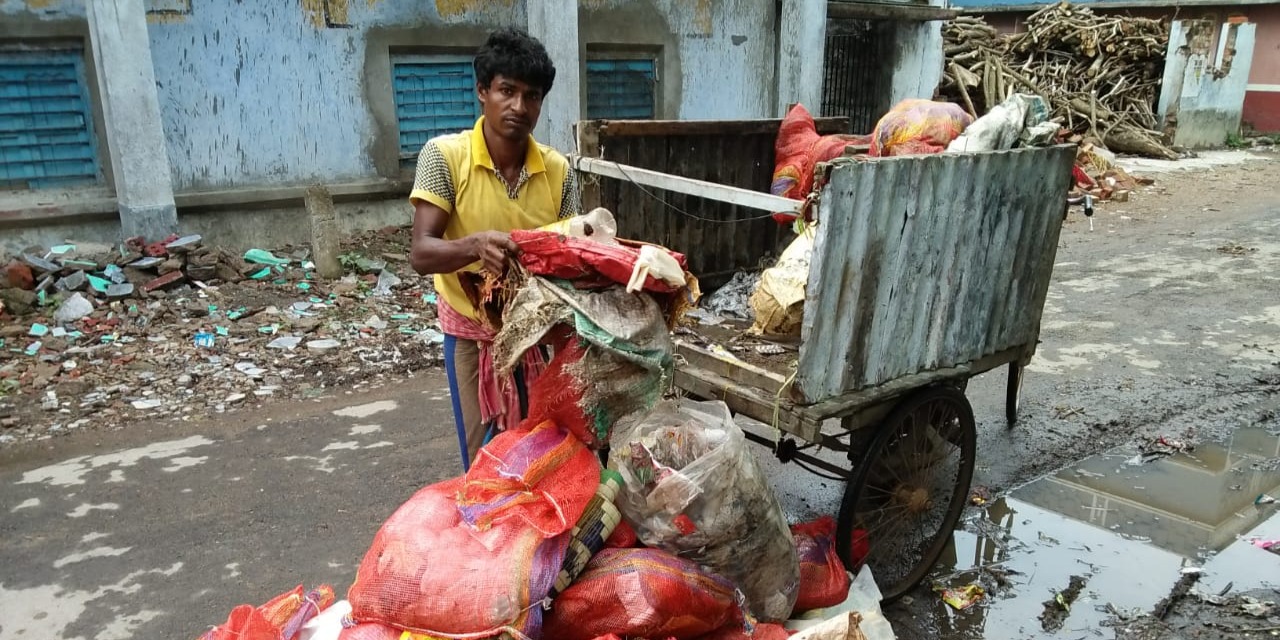
The initiative "Regenerate Sundarbans" brings together local and international actors to protect the unique mangrove delta in the Ganges estuary as a habitat for millions of people and countless species.
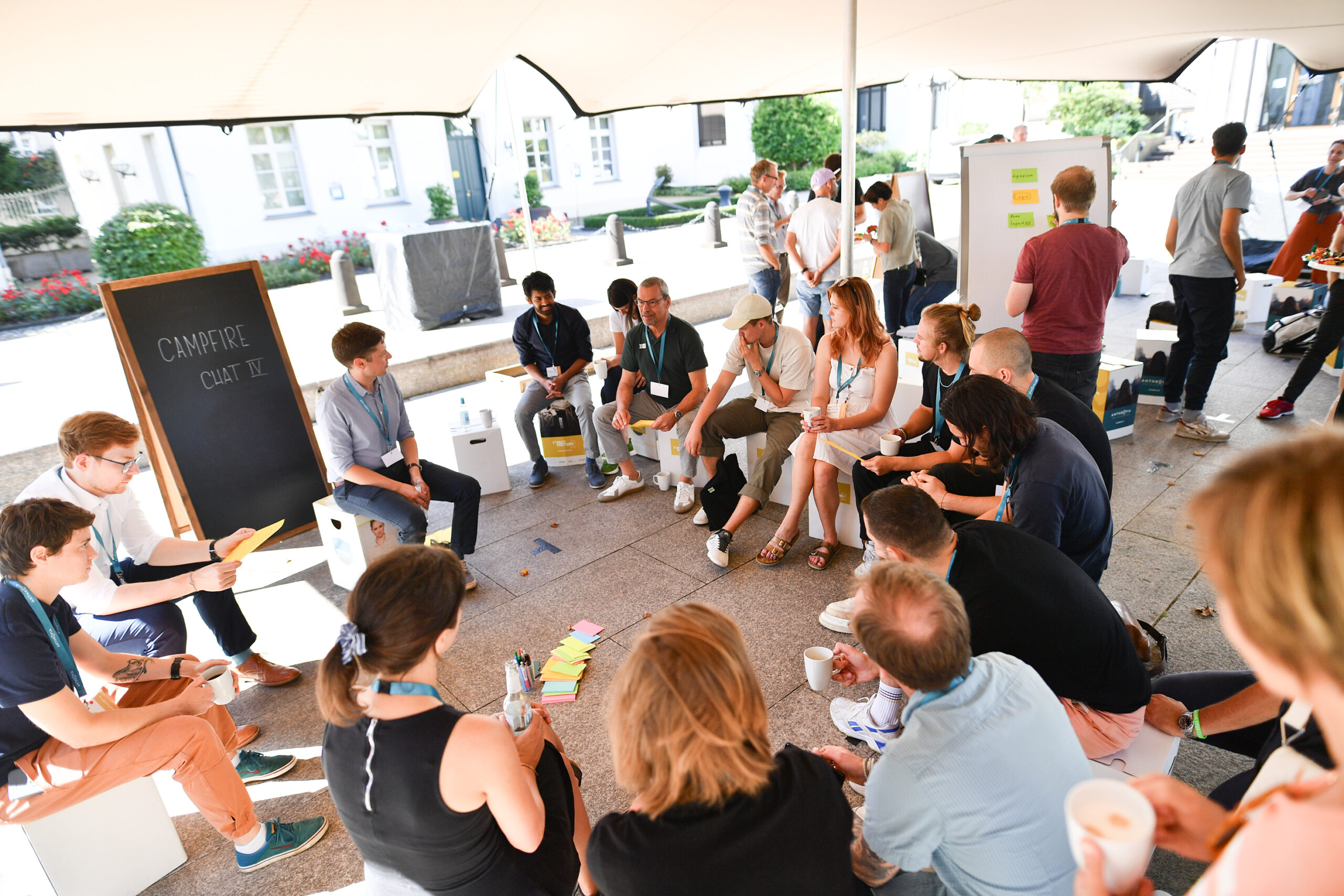
Anthropia gGmbH, based in Duisburg, offers startups with a socio-ecological mission coaching, impact planning, and targeted support to help young companies grow and scale their already developed and tested solutions.
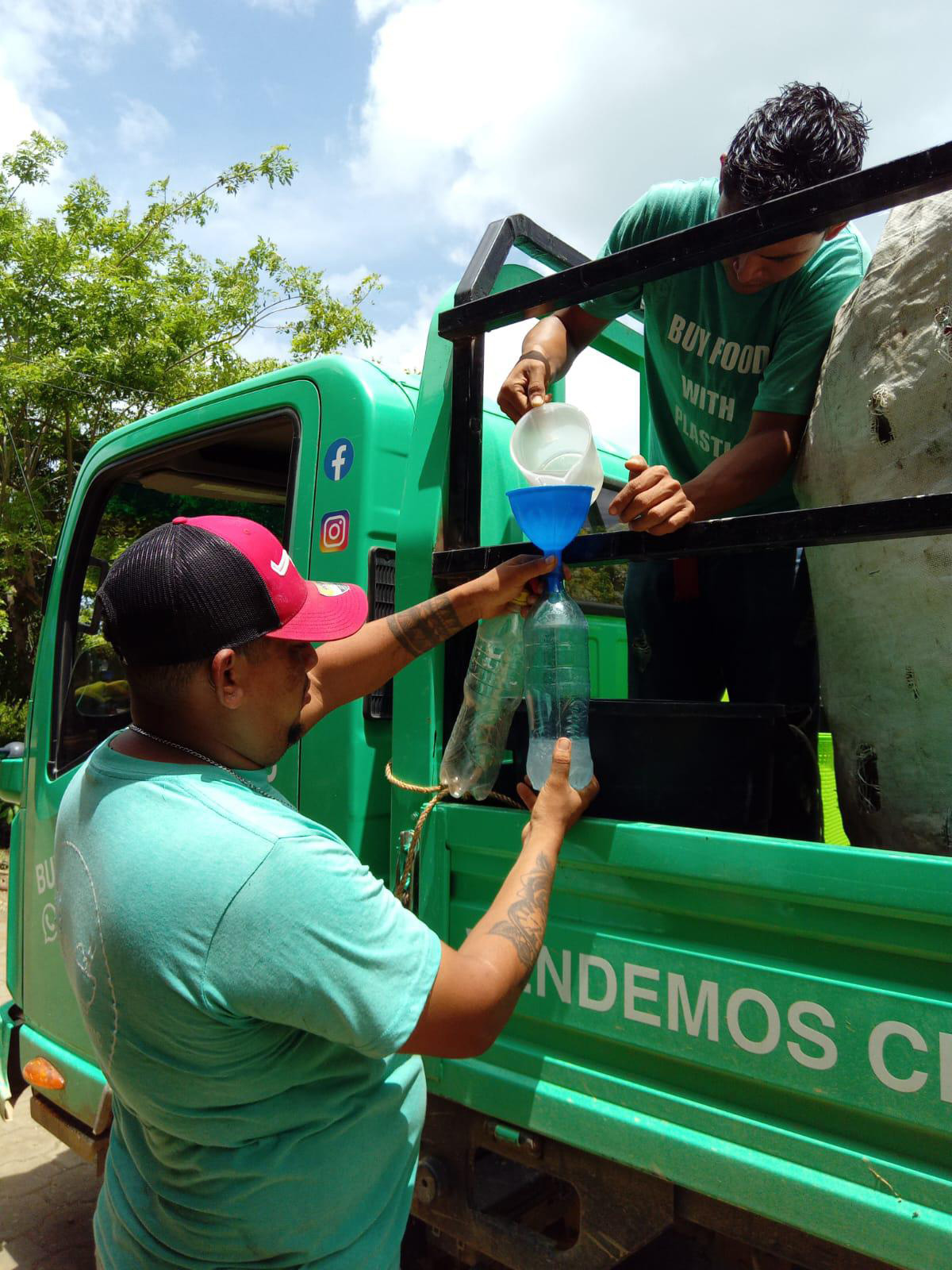
In Nicaragua, people exchange plastic bottles for hot meals—and thanks to the educational work at the ReFill trucks, they also learn how waste prevention and hygiene interact.
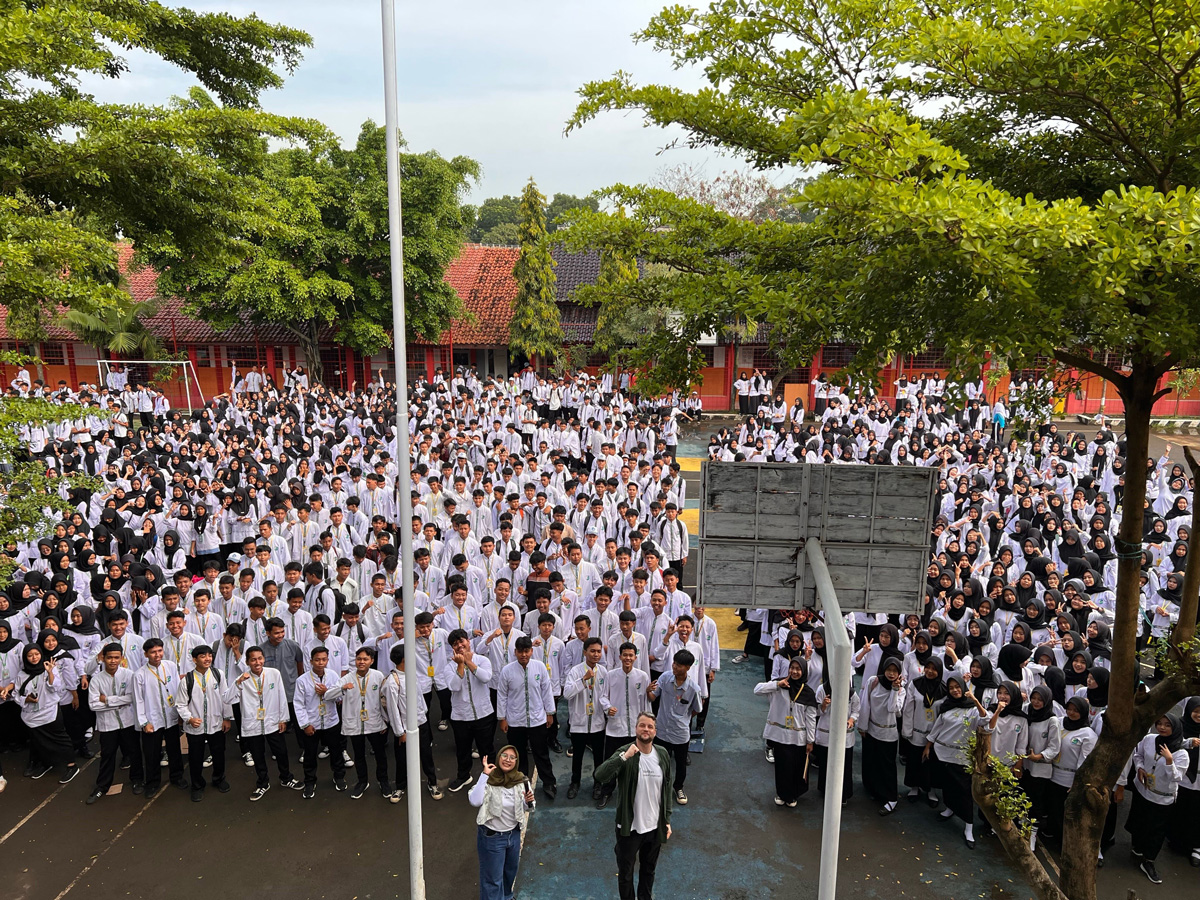
In Indonesia, enormous amounts of plastic waste meet an inadequate disposal infrastructure. The SampApp offers assistance with consumer behavior, waste prevention, and proper disposal.
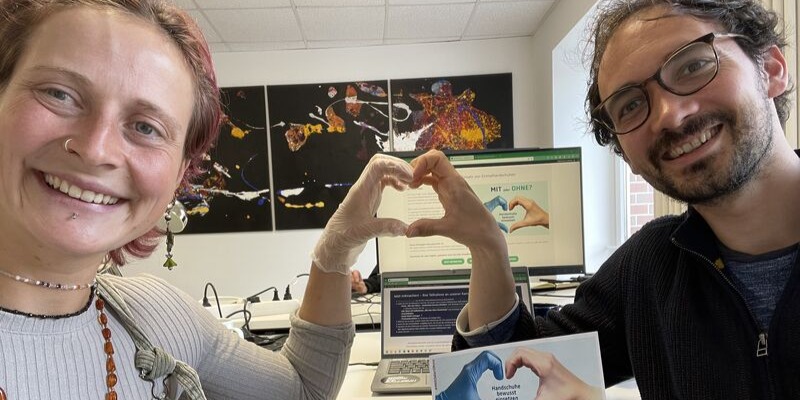
Disposable products generate enormous amounts of waste in healthcare, including millions of non-sterile disposable gloves made of nitrile or PVC. They are often used where there is no risk of infection.