The Röchling Foundation supports civil society organizations committed to the transition from a linear to a circular way of life and economy. Learn more about our funding guidelines here.
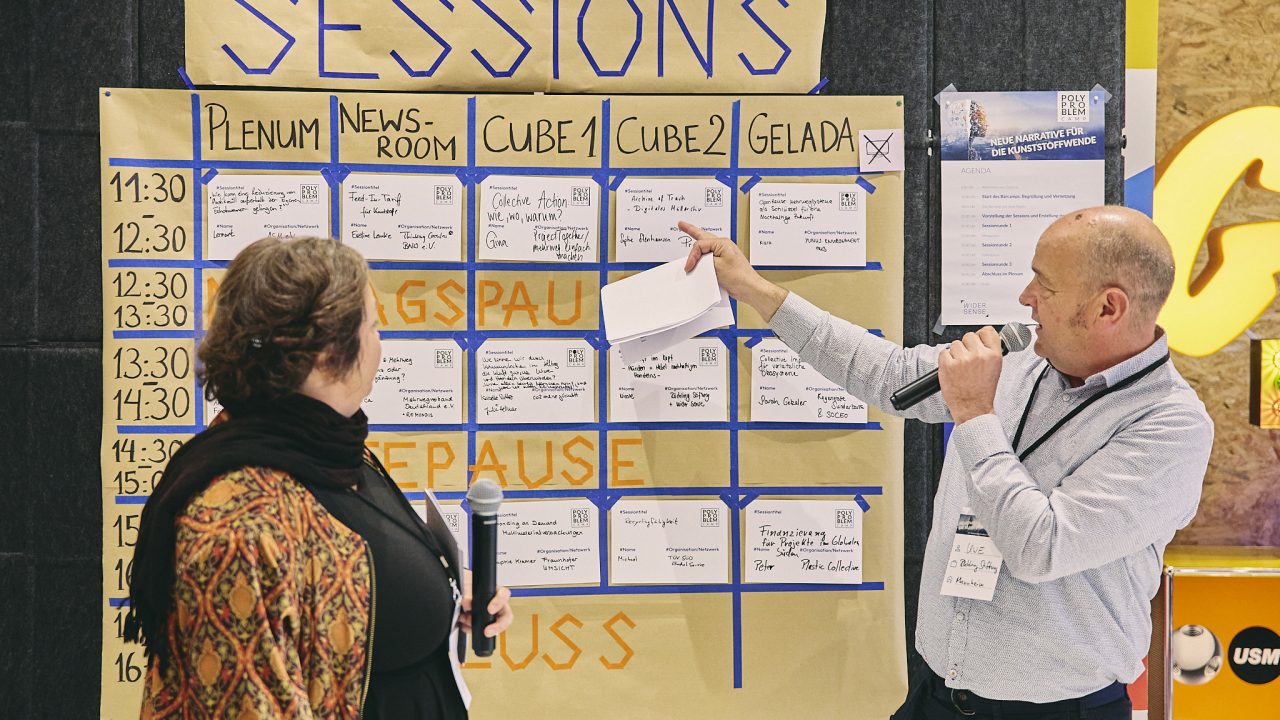
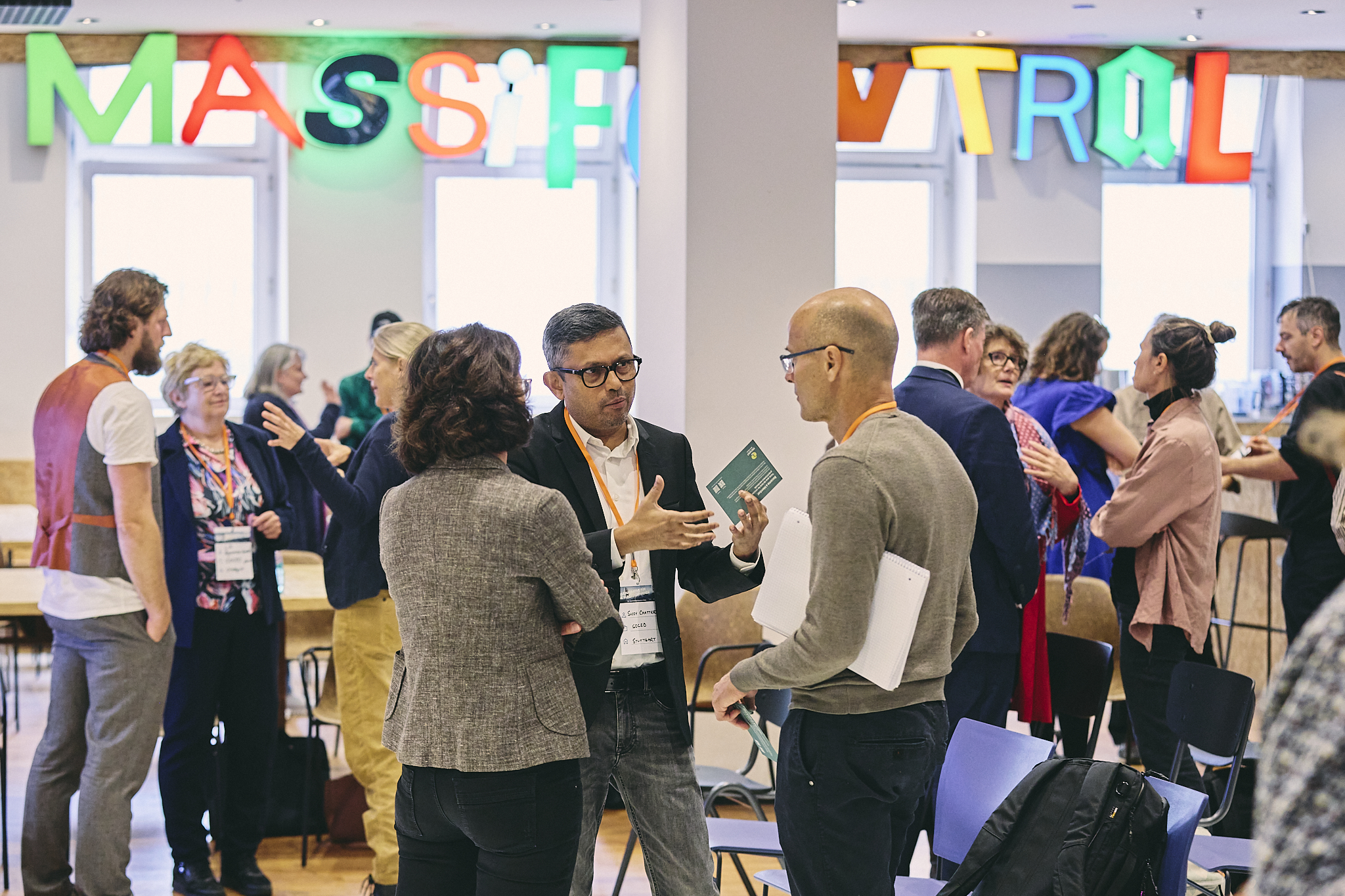
How can a sustainable future with plastic succeed? This question was the focus of our first POLYPROBLEM Camp "New Narratives for the Plastic Transition" in Frankfurt, which brought together experts from civil society and business in Frankfurt.
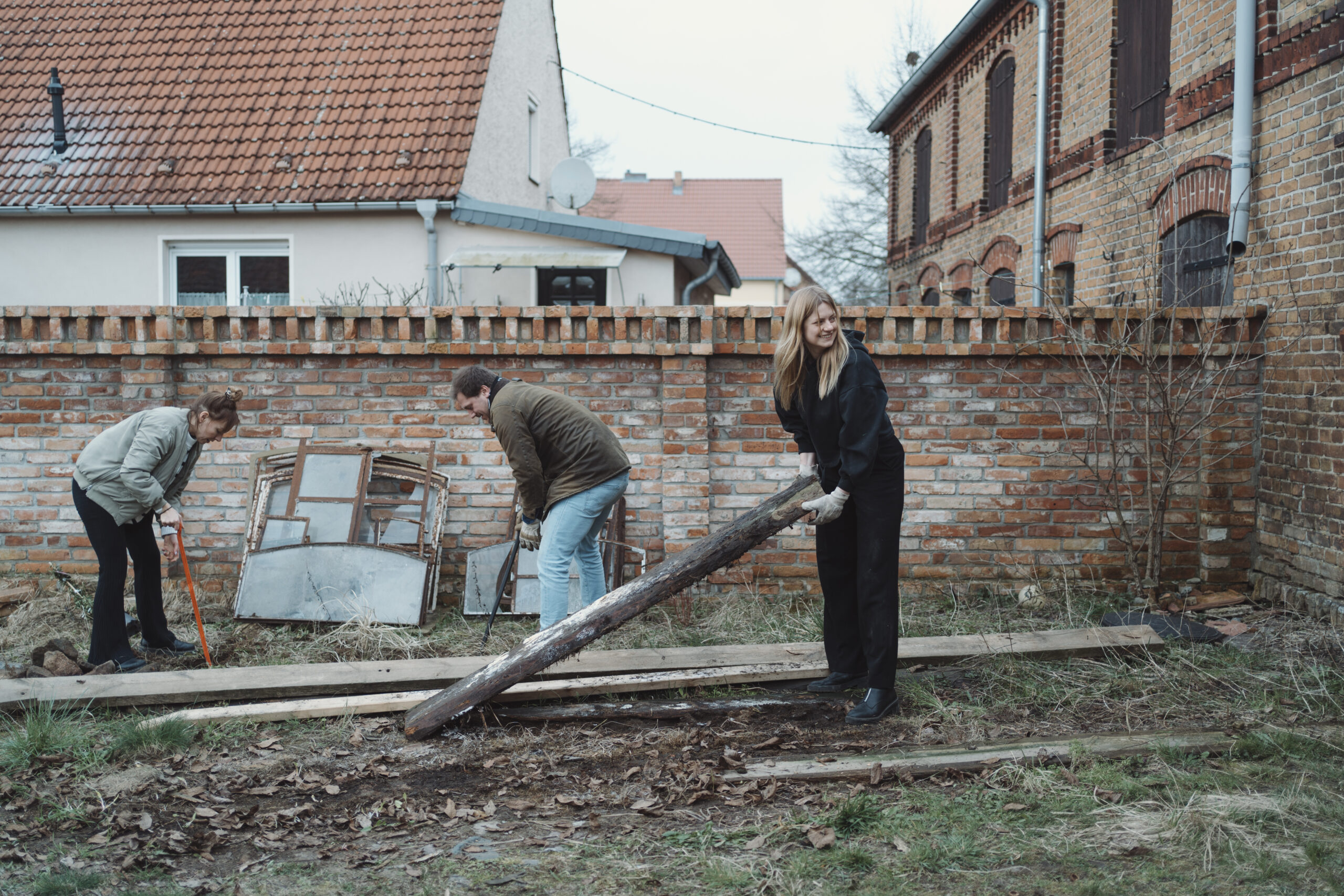
The Bauwende Allianz strives for a climate and socially positive construction and housing sector in Germany. To this end, it mobilizes and connects transformation agents in a broad, mission-oriented movement.
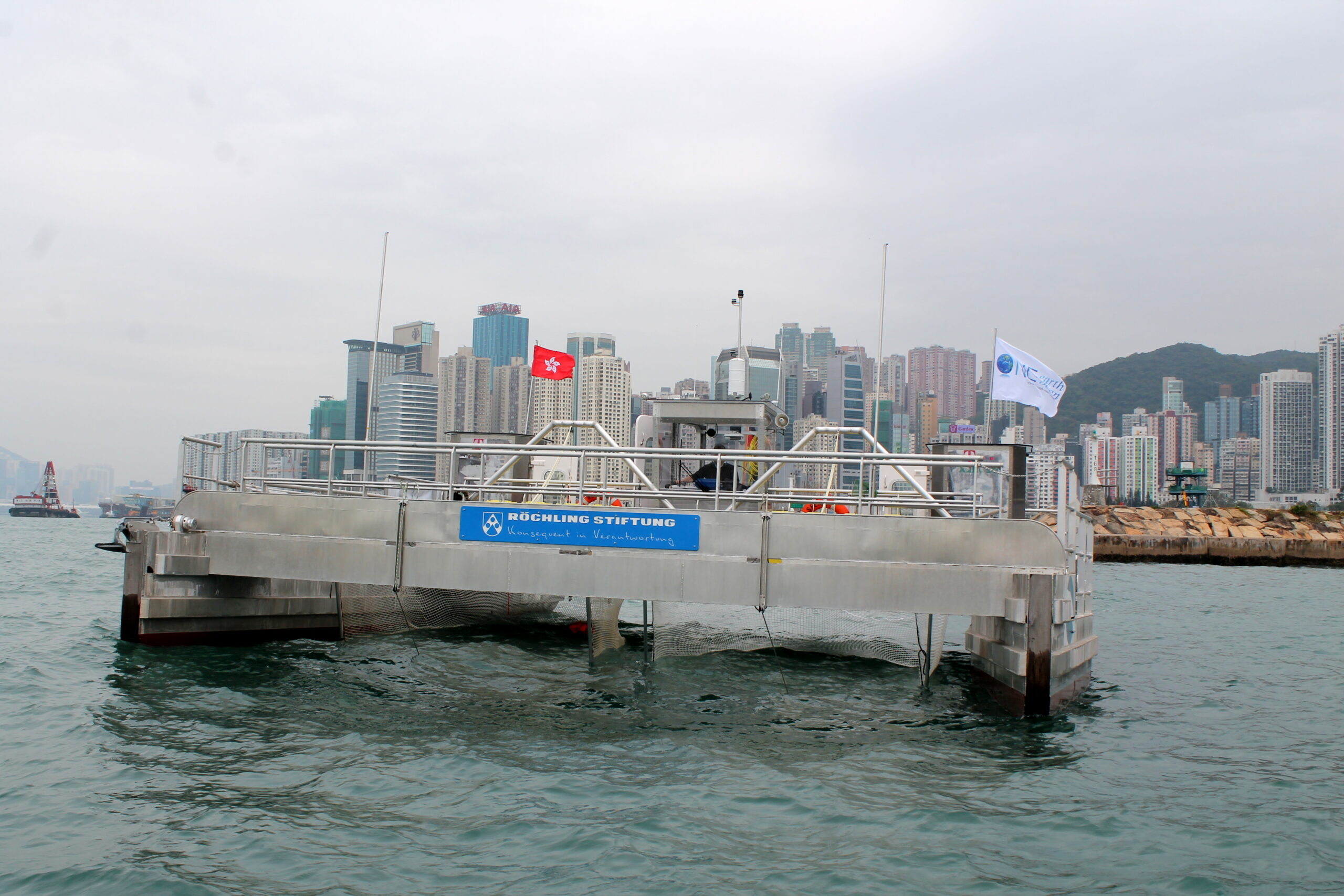
One Earth, One Ocean (OEOO) has set itself the goal of developing and implementing a concept for how bodies of water worldwide can be freed from plastic waste, as well as oil and pollutants - in the sense of a "Maritime Waste Collection".
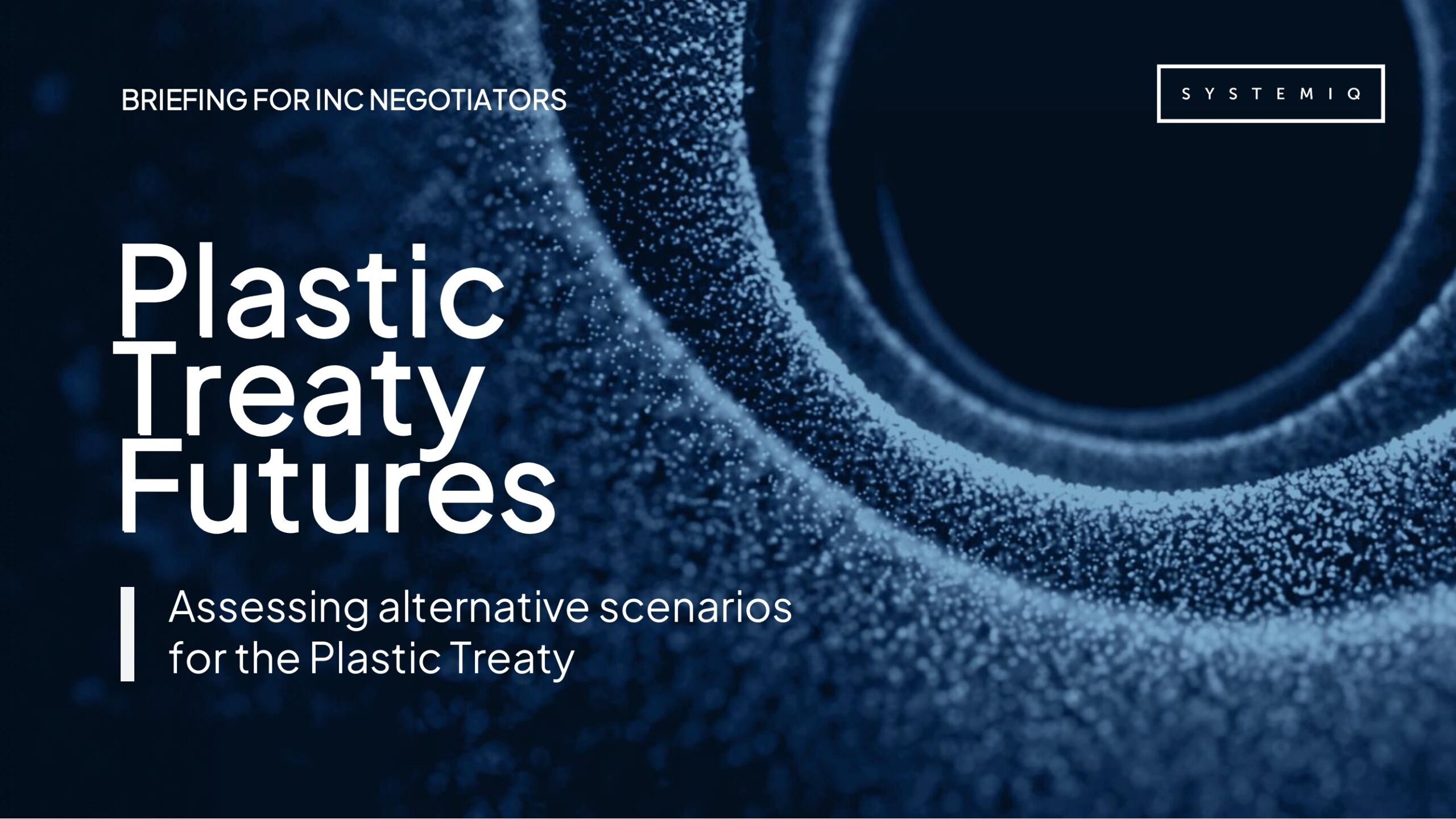
Together with the Minderoo Foundation, we are financing the development of a data-driven tool that can be used to precisely model the impact of different governmental commitments in scenarios.
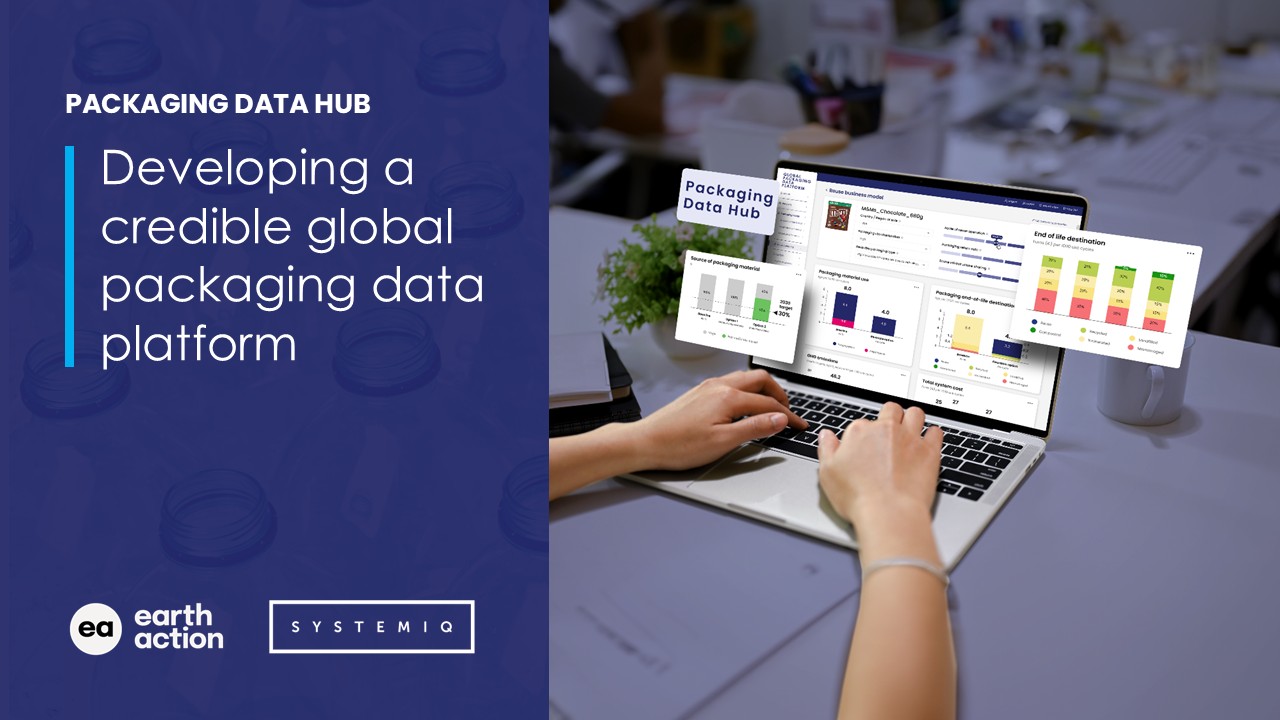
The Packaging Data Hub from Systemiq and Earth Action creates a central platform for verified, granular packaging data that has mostly been fragmented, incomplete or not comparable until now.
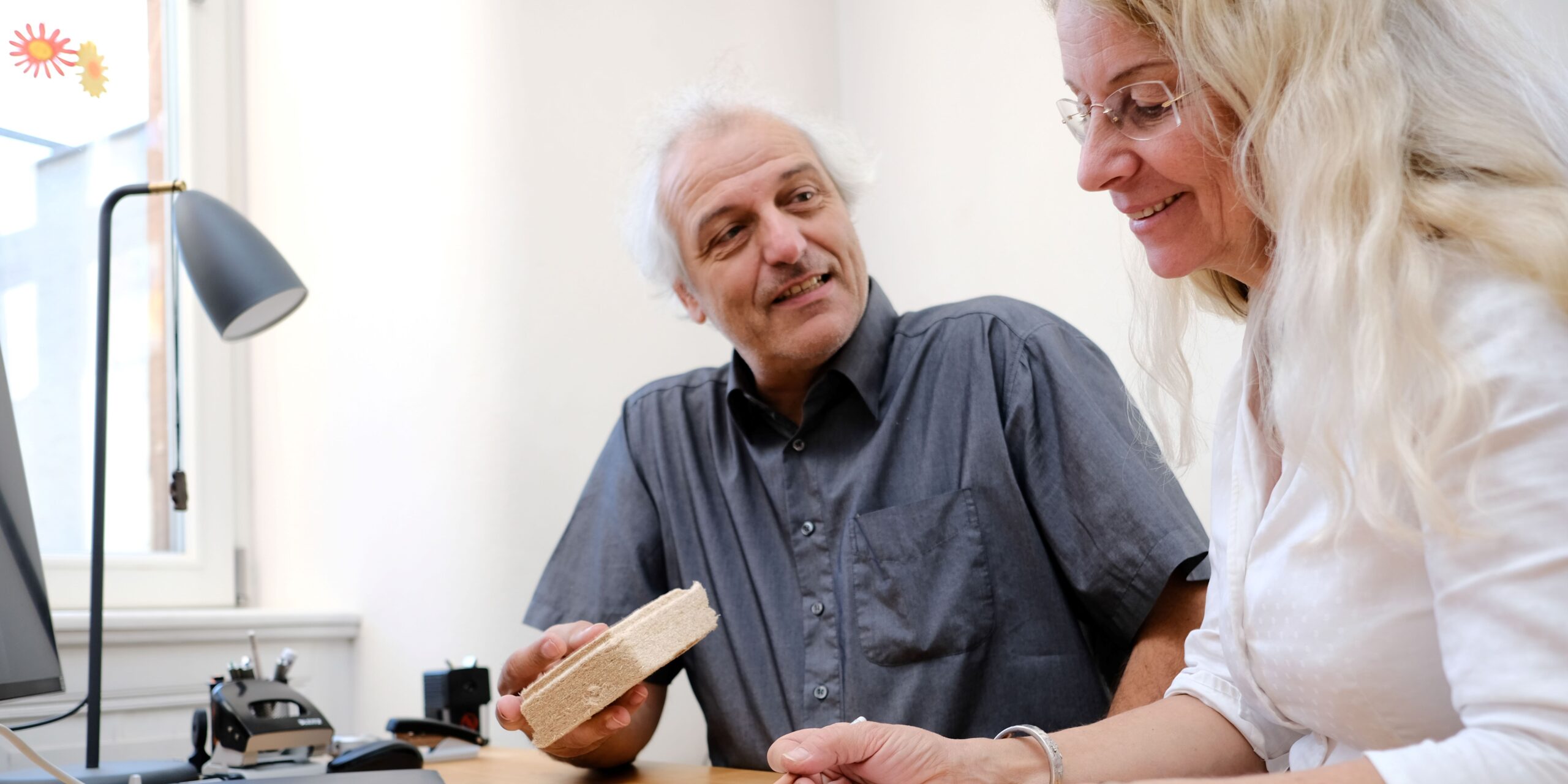
The non-profit consulting company co2online offers an information service that provides knowledge about sustainable insulation of houses, clarifies its advantages and motivates its use.
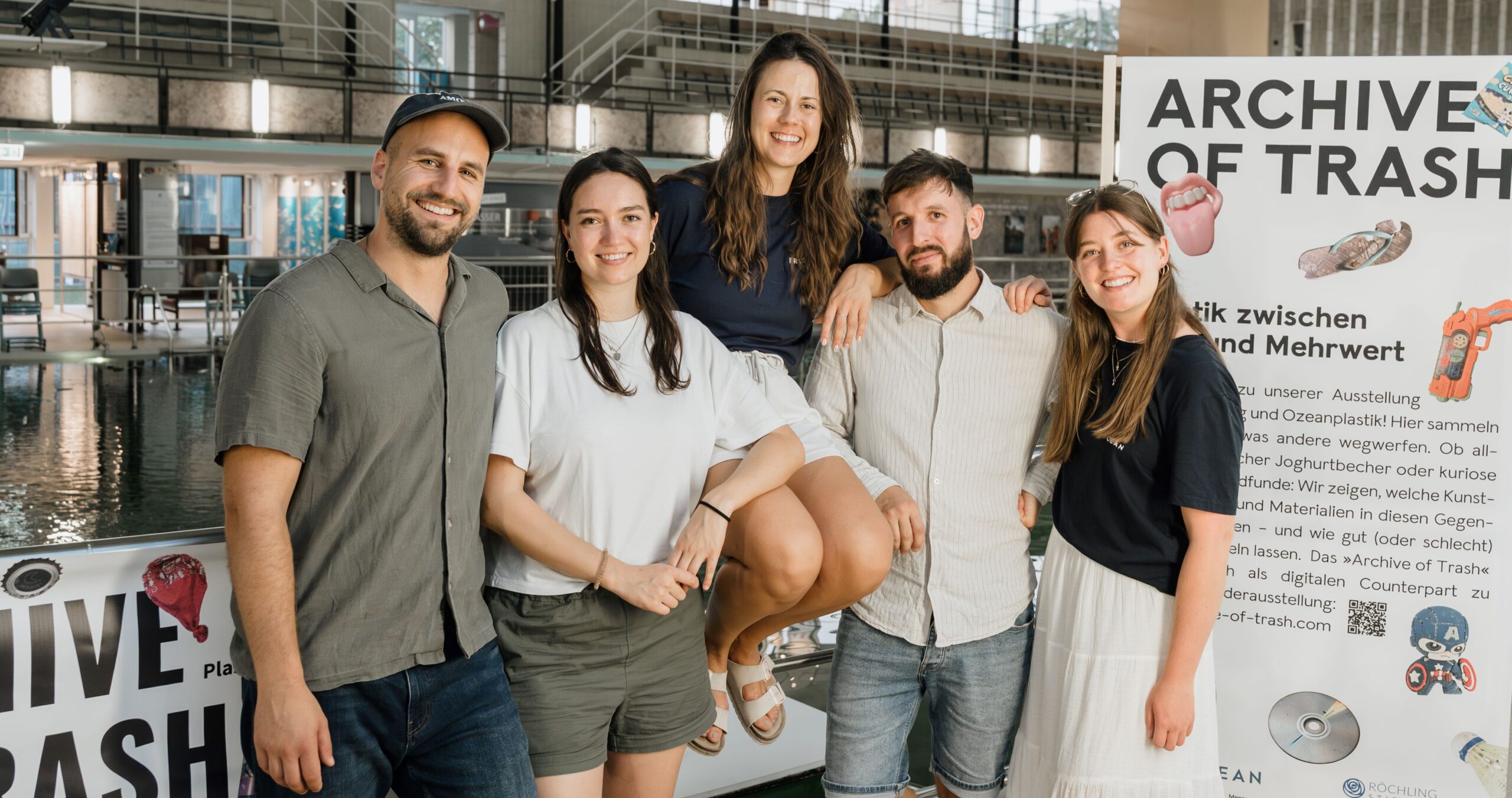
The Pro Ocean organization playfully educates consumers about the differences between "good" and "bad" plastic, thereby promoting conscious consumer decisions.
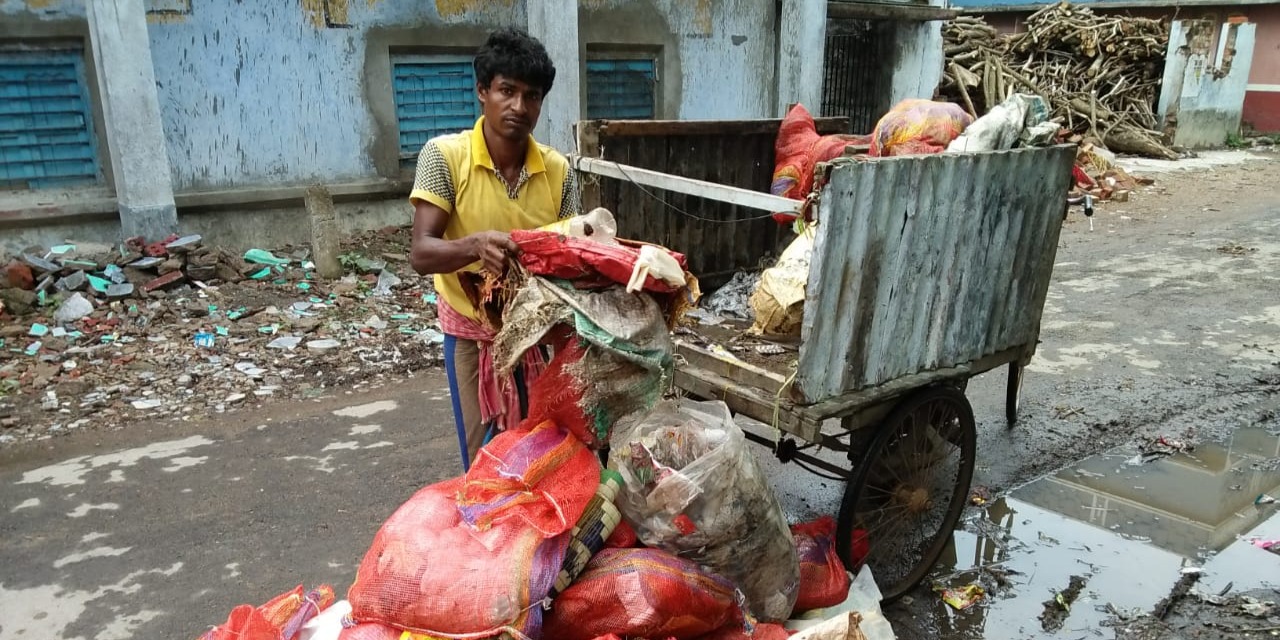
The initiative "Regenerate Sundarbans" brings together local and international actors to protect the unique mangrove delta in the Ganges estuary as a habitat for millions of people and countless species.

The Plastic-Free City initiative pursues the goal of avoiding disposable plastic - and has already implemented 20 projects at municipal, national and EU level with more than 50 companies, 18 schools and ten city administrations.
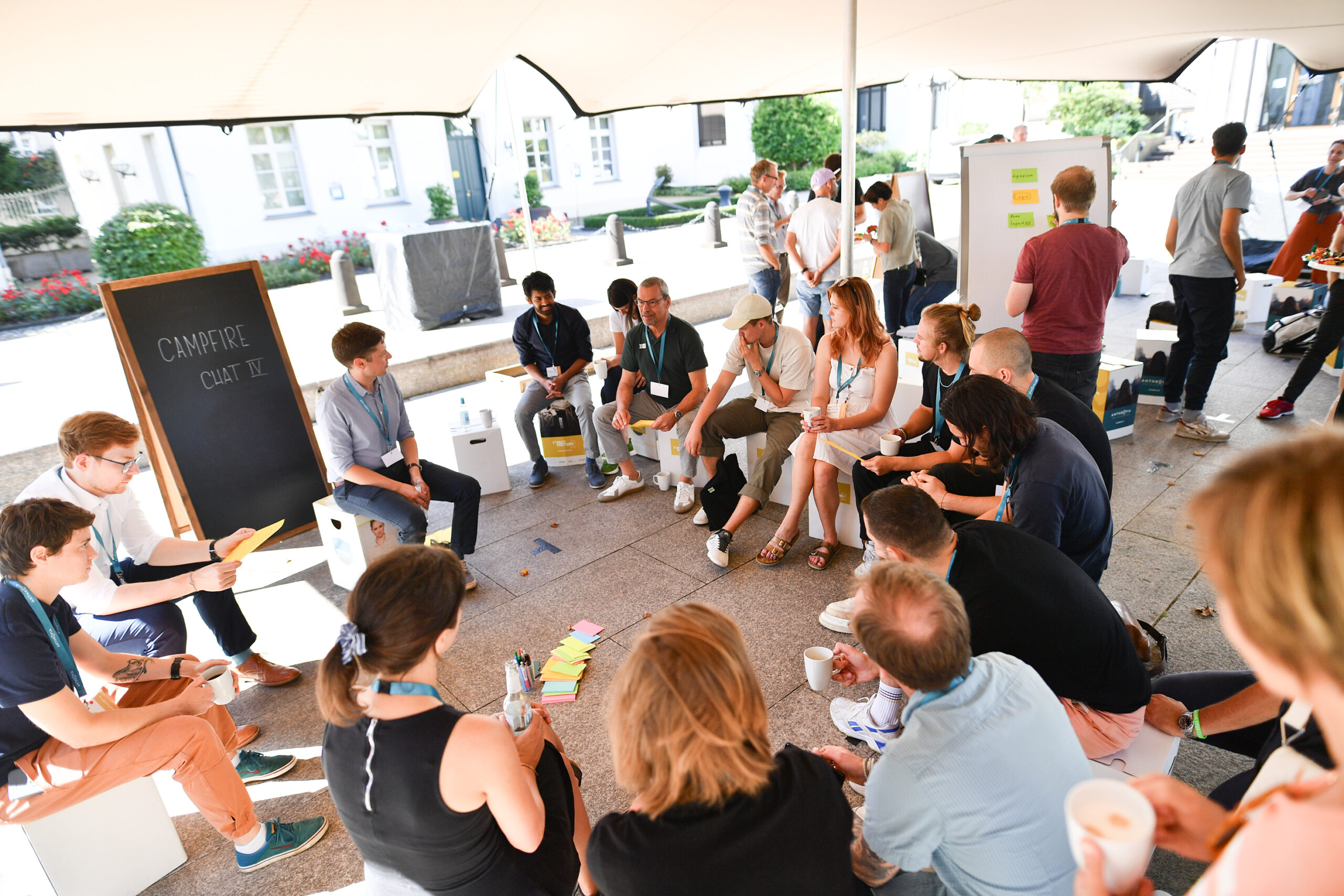
Anthropia gGmbH, based in Duisburg, offers startups with a socio-ecological mission coaching, impact planning, and targeted support to help young companies grow and scale their already developed and tested solutions.
The Yunus Environment Hub, together with the Chilean refill pioneer Algramo, is developing "Open Reuse", an open, global platform designed to help establish ReUse and ReFill systems with practical knowledge and tools.
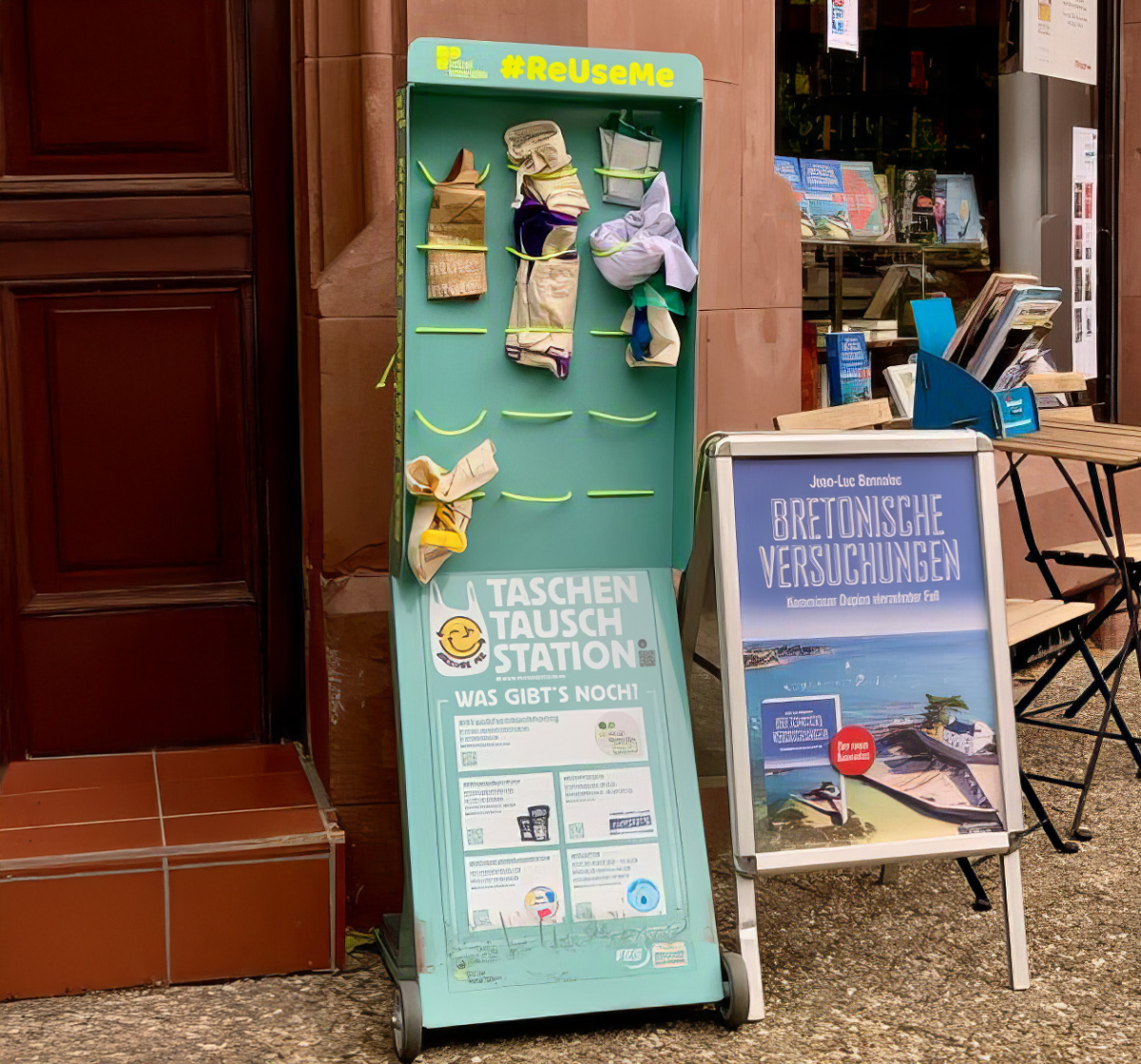
The bag exchange stations of the Frankfurt initiative Lust auf besser leben give plastic bags a second chance: drop off bags, take them with you, reuse them. The stations are now coming from the 3D printer.
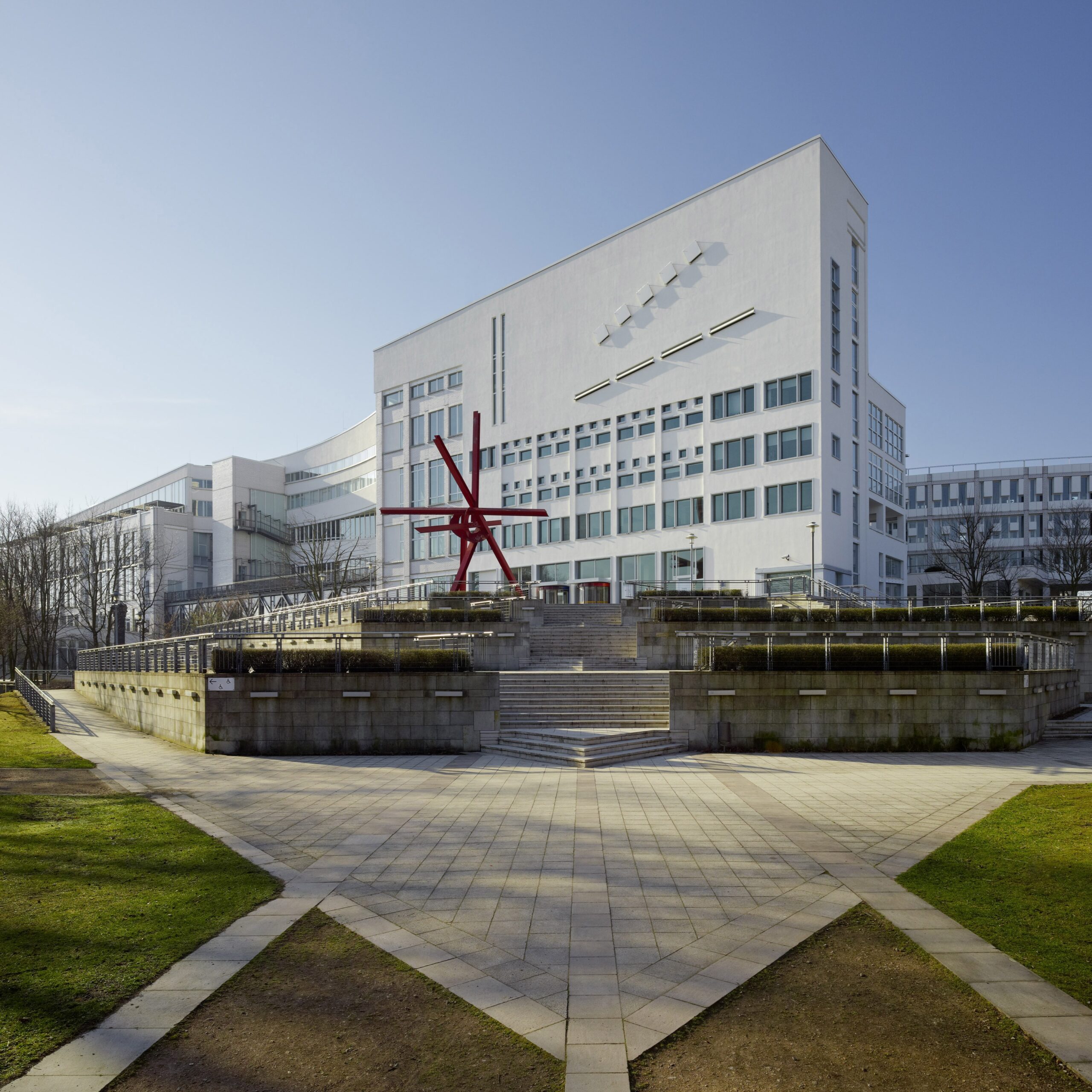
The TECHNOSEUM in Mannheim is developing a new educational module entitled "Art or Material." The TECHNOlab is dedicated to the topic of plastics chemistry and forms a learning location for children, adolescents and teachers.
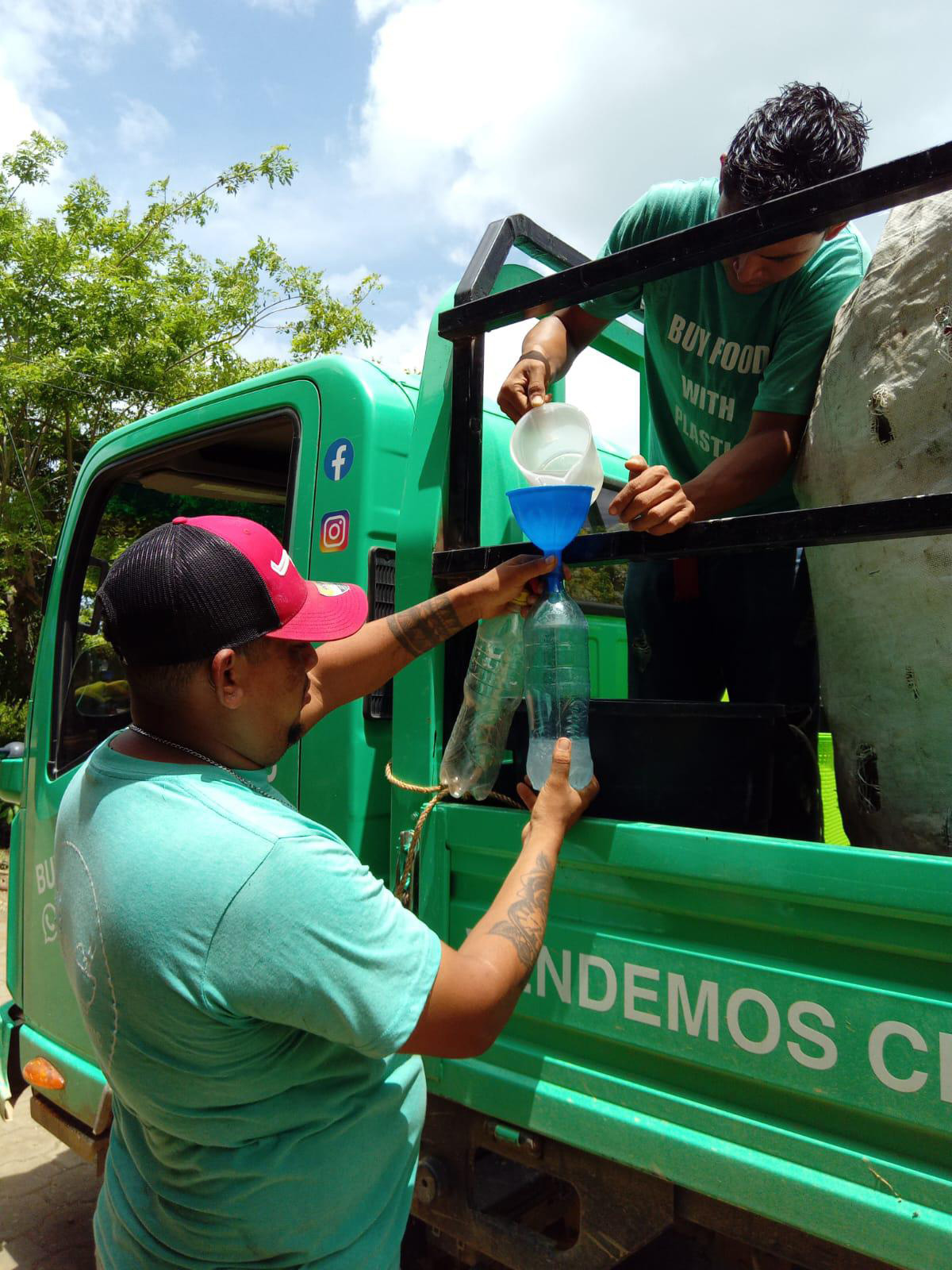
In Nicaragua, people exchange plastic bottles for hot meals—and thanks to the educational work at the ReFill trucks, they also learn how waste prevention and hygiene interact.
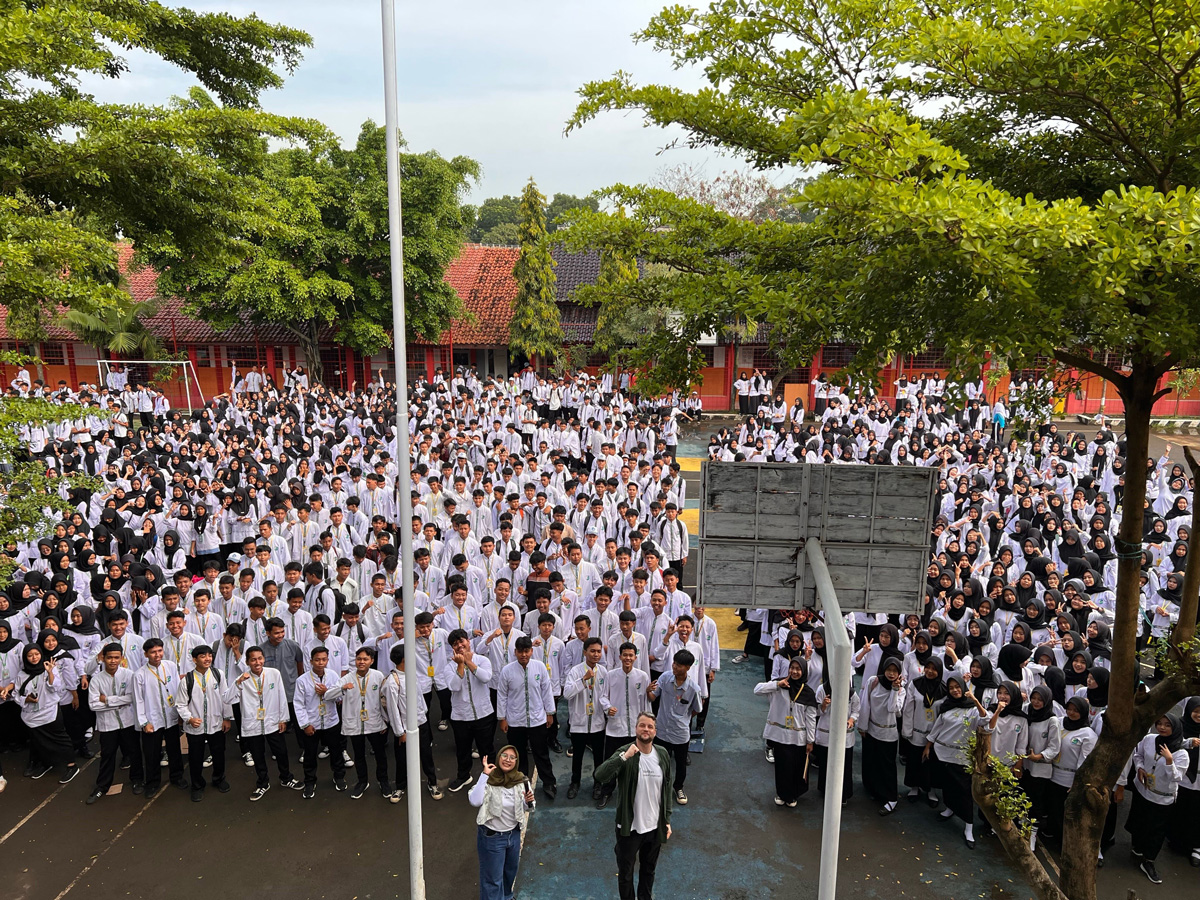
In Indonesia, enormous amounts of plastic waste meet an inadequate disposal infrastructure. The SampApp offers assistance with consumer behavior, waste prevention, and proper disposal.