
On Hamburger Steindamm, the Association of Independent Migrants e.V. (ASM) is committed to a more conscious use of resources – in a place where migrant businesses shape everyday life.
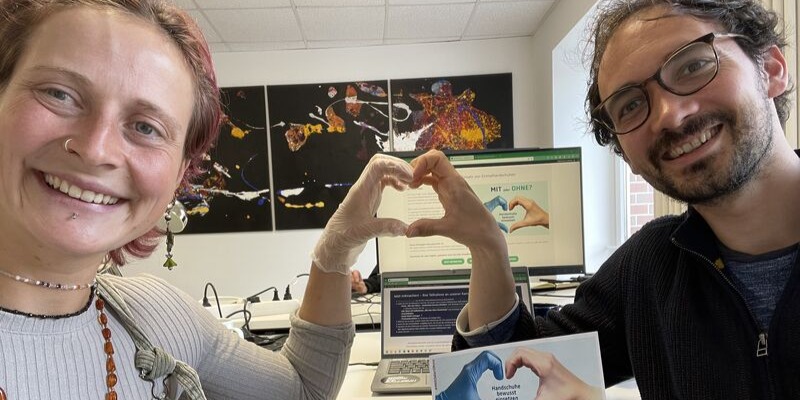
Disposable products generate enormous amounts of waste in healthcare, including millions of non-sterile disposable gloves made of nitrile or PVC. They are often used where there is no risk of infection.
The POLYPROBLEM Camp will take place on September 30, 2025, in Frankfurt a. M. on the topic of "New Narratives for the Plastics Transition" – free of charge for anyone involved in plastic avoidance, reusable systems, or recycling.

The seventh POLYPROBLEM report, entitled "MIND THE GAP – Plastic Waste swims between values and reality," deals with the causes and effects of the so-called intention-behavior gap.
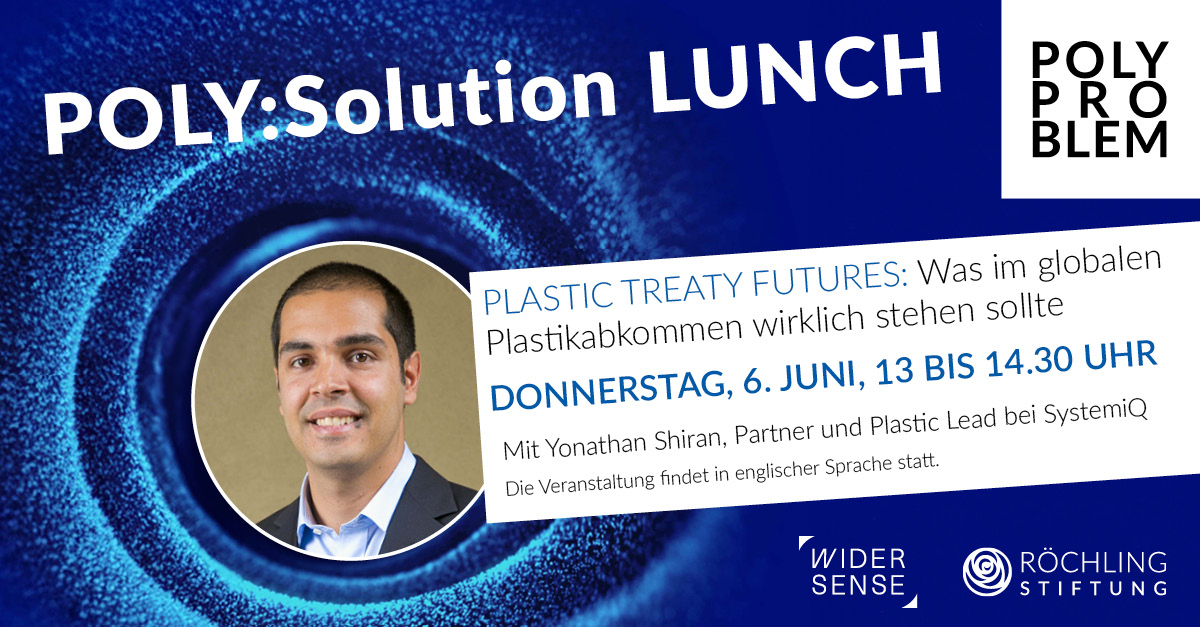
POLY:Solution Lunch: PLASTIC TREATY FUTURES – What should really be in the global plastics agreement
Negotiations for the global plastics agreement are in full swing! What impact do the decisions of the negotiators have on the global volume of plastic waste? Systemiq has modeled different scenarios. Yoni Shiran, Plastics Lead at Systemiq, presented the results of the model and reported on the negotiations.
With numerous expert interviews, the sixth POLYPROBLEM report takes an in-depth look at the question of how much digital innovations contribute to the fight against plastic waste. The finding: There is still a lot to do.
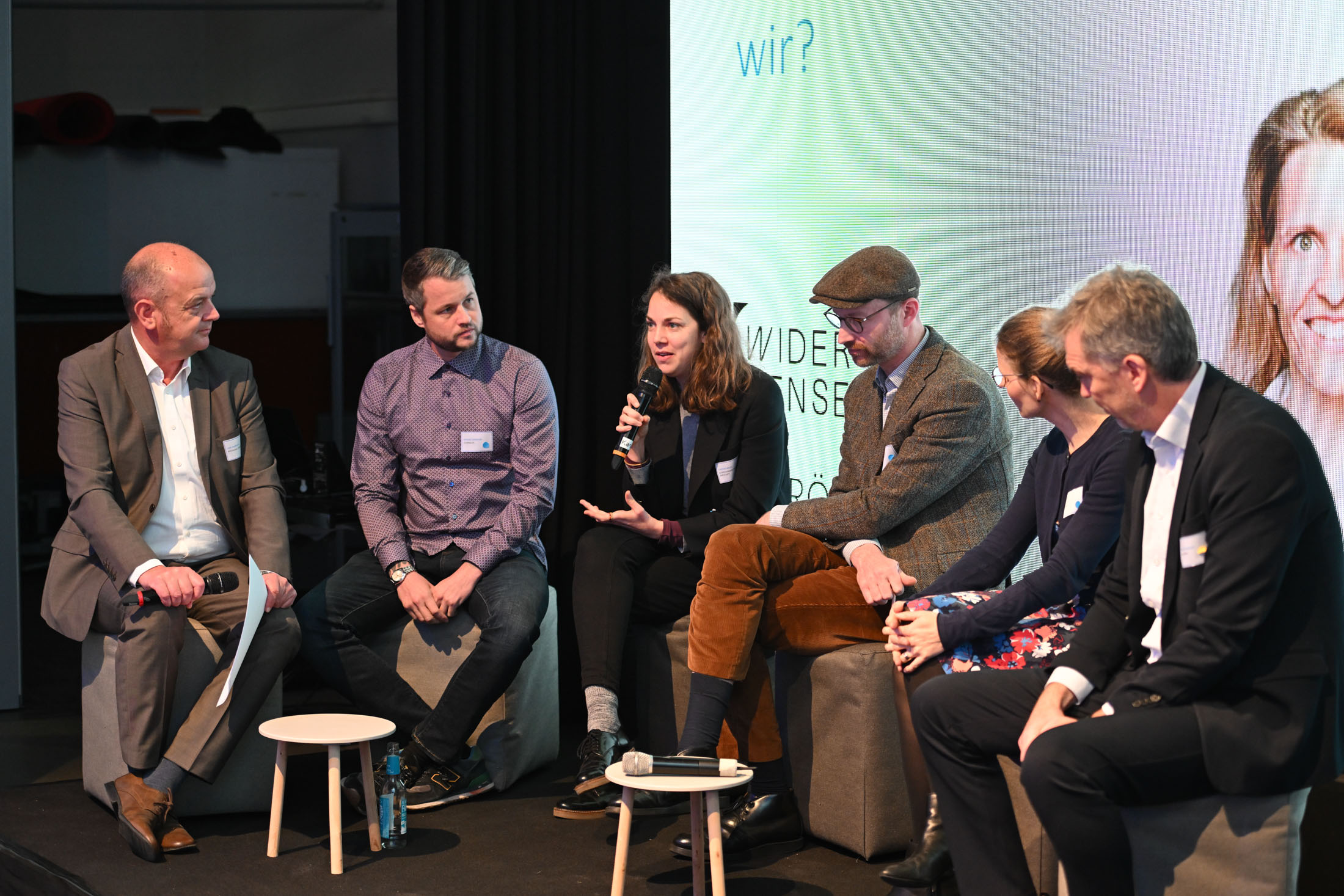
From fledgling startups to international corporations, from environmental NGOs to federal ministries, the POLYPROBLEM Stakeholder Dialogue aims to bring together the entire spectrum of business, politics, and civil society for a day of joint reflection, tinkering, exchange, and sharing of ideas. This plan was also successful at the third event in 2023.
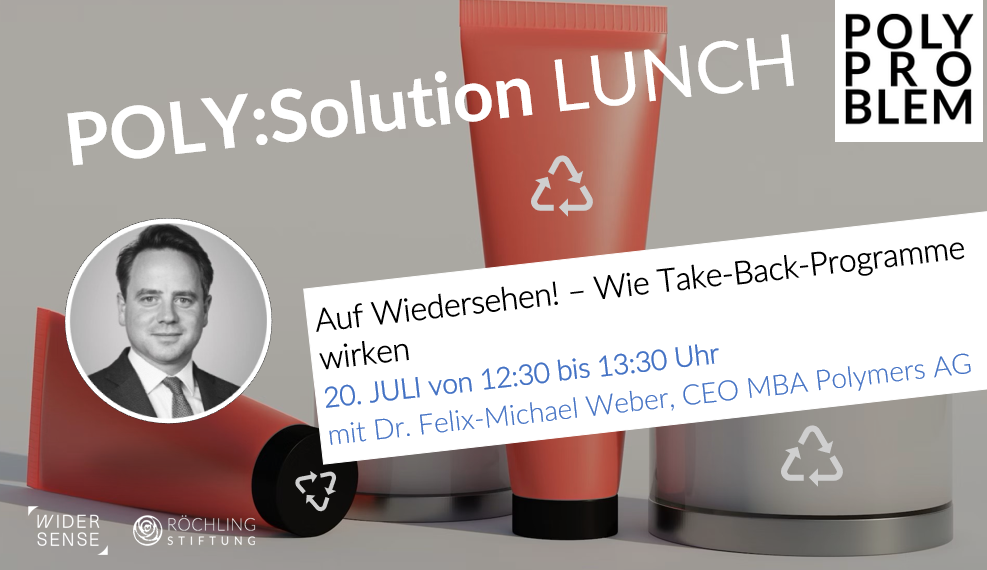
Retailers take back plastic packaging, manufacturers collect their own products again: Take-back models are diverse. At the second POLY:Solution Lunch, Felix Weber, Head of Germany at the international recycling company MBA Polymers, reports on such a Europe-wide program in cooperation with a major cosmetics manufacturer.
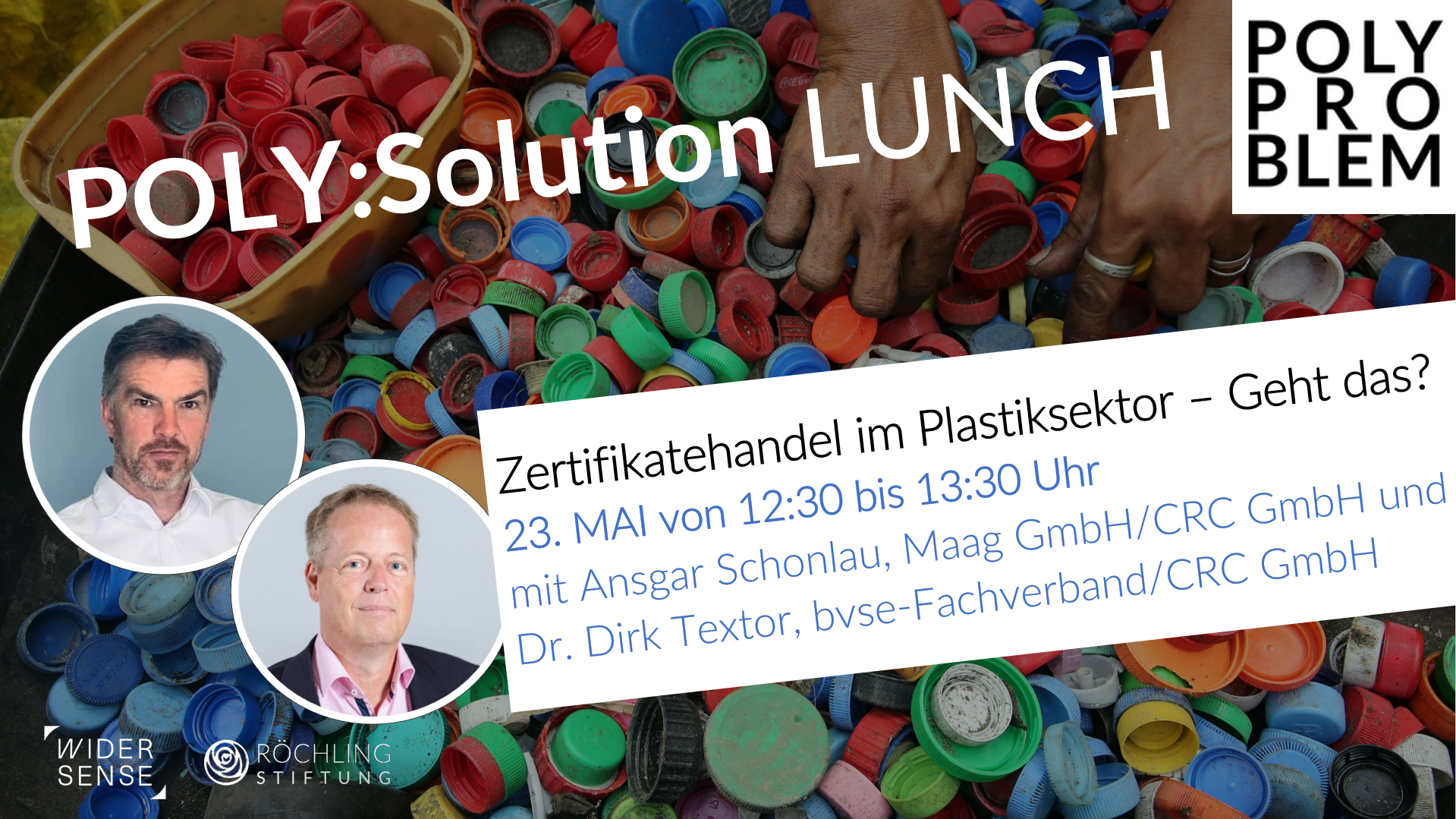
CO2 emissions trading is considered the most powerful economic instrument for reducing greenhouse gas emissions. Can the principle be transferred to plastics production? POLYPROBLEM discussed this with Ansgar Schonlau from Maag GmbH and Dr. Dirk Textor from bvse-Fachverband Kunststoffrecycling at the first POLY:Solution Lunch.
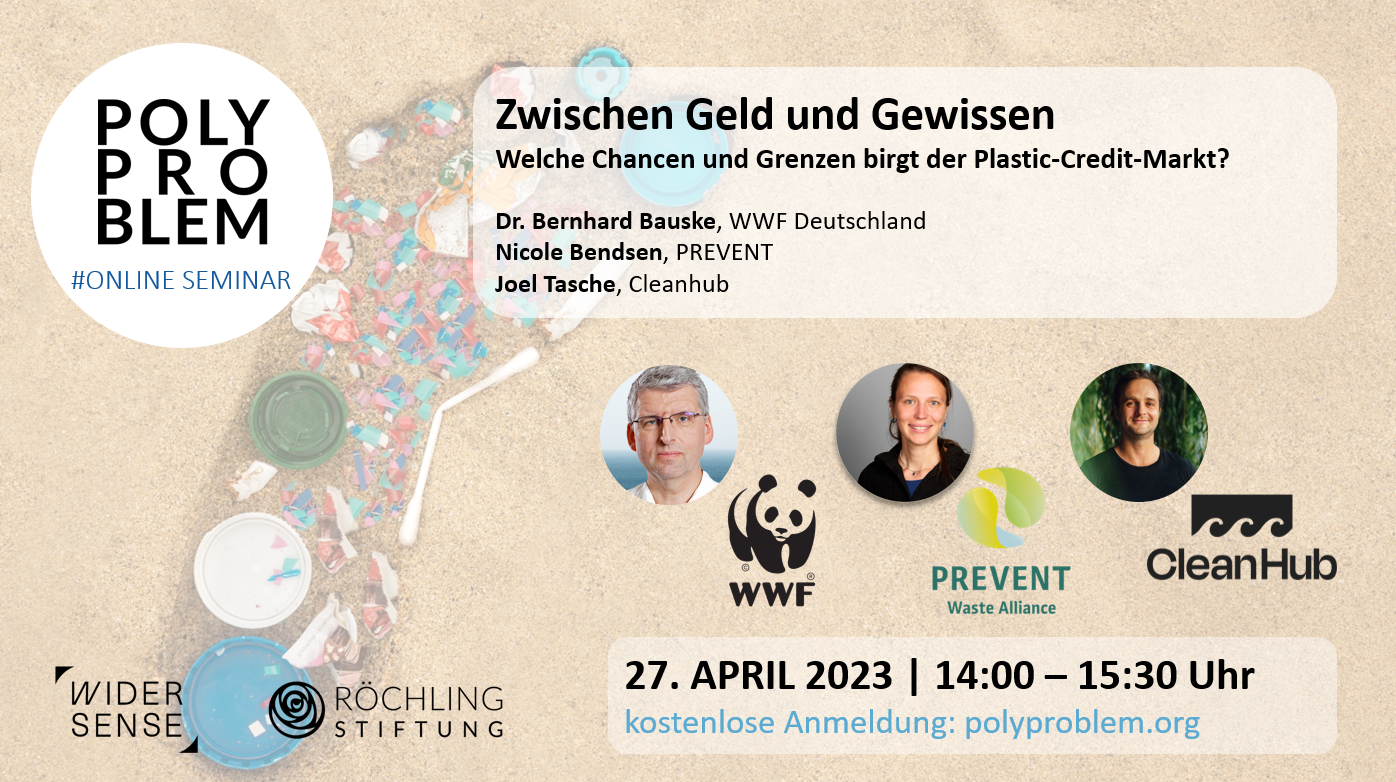
Plastic credits are very popular with companies and private individuals when it comes to offsetting their own plastic footprint. But how honest is the promise of supposed plastic neutrality really, and what contribution can plastic compensation models actually make to combating the plastic crisis?
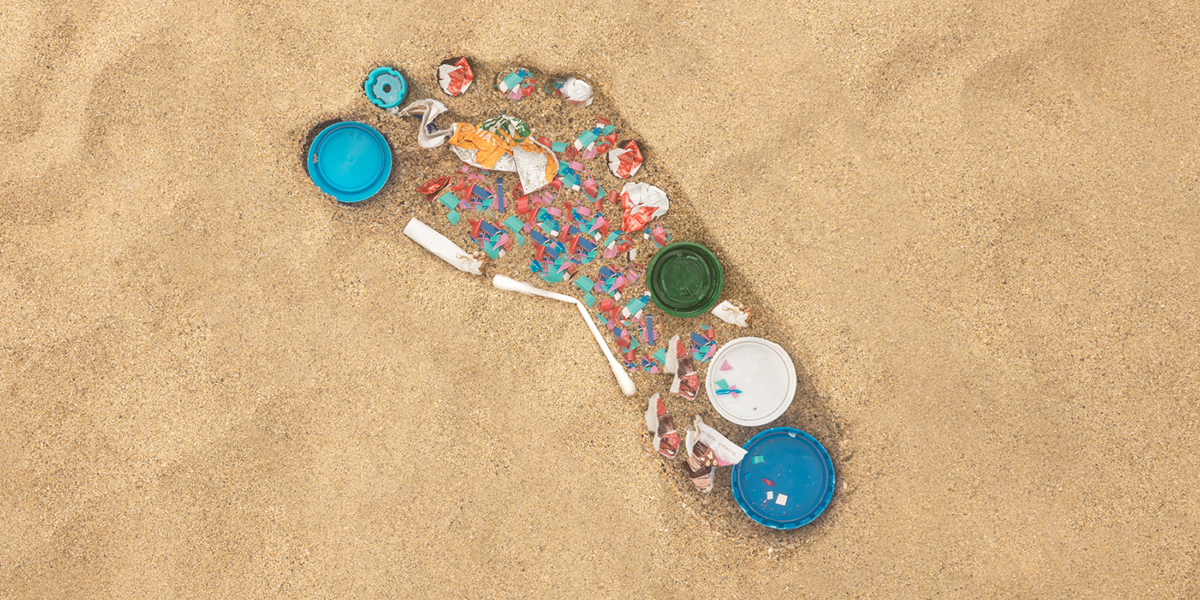
Offsetting measures still play a subordinate role in combating the global plastic waste crisis. This is mainly due to an intransparent market and inadequate standardization.
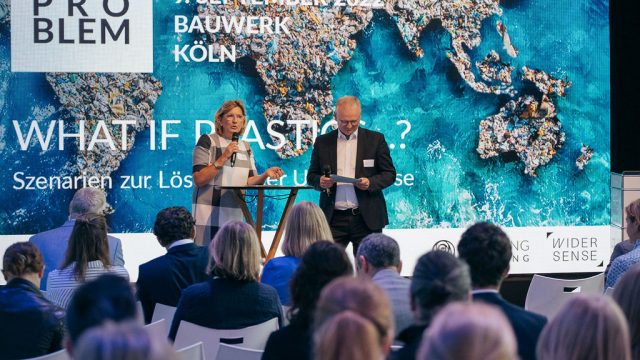
If almost everything is connected to everything else that threatens the planet, then the answer can only be a system change - the most difficult and complex of all conceivable tasks. In such a situation, scenarios are indispensable. The question "What happens if..." was therefore the guiding question of our POLYPROBLEM Stakeholder Dialogue 2022.
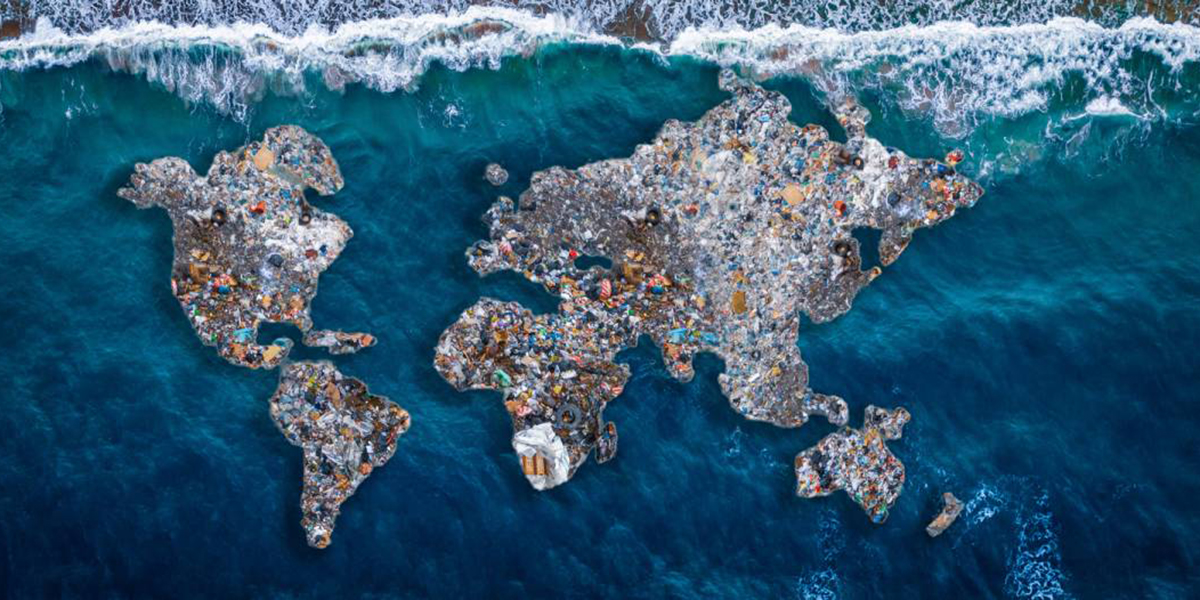
Bans on single-use plastic items lead both to a noticeable reduction in littering and to a more intensive discussion about sustainable consumption. However, the total amount of plastic waste cannot be significantly reduced in this way.
Actually, it sounds quite simple: Anyone who puts packaging into circulation is also responsible for what happens to it after it is used. This is what lies behind the term EXTENDED PRODUCER RESPONSIBILITY (EPR). In Germany and large parts of Europe, it has been largely implemented: Companies that put packaging on the market pay a levy and thus finance the necessary infrastructure for collecting and recycling packaging.
There is no blueprint for a functioning, circular waste management system. Solutions from industrialized countries cannot be exported one-to-one to emerging and developing countries. Rather, cooperation at eye level between municipalities, waste collectors and the local recycling industry must be carefully developed under the respective conditions. Dorothea Wiplinger, Sustainability Manager at Borealis AG and initiator of Project STOP, reports on what needs to be considered in the online seminar.