
The seventh POLYPROBLEM report, entitled "MIND THE GAP – Plastic Waste swims between values and reality," deals with the causes and effects of the so-called intention-behavior gap.
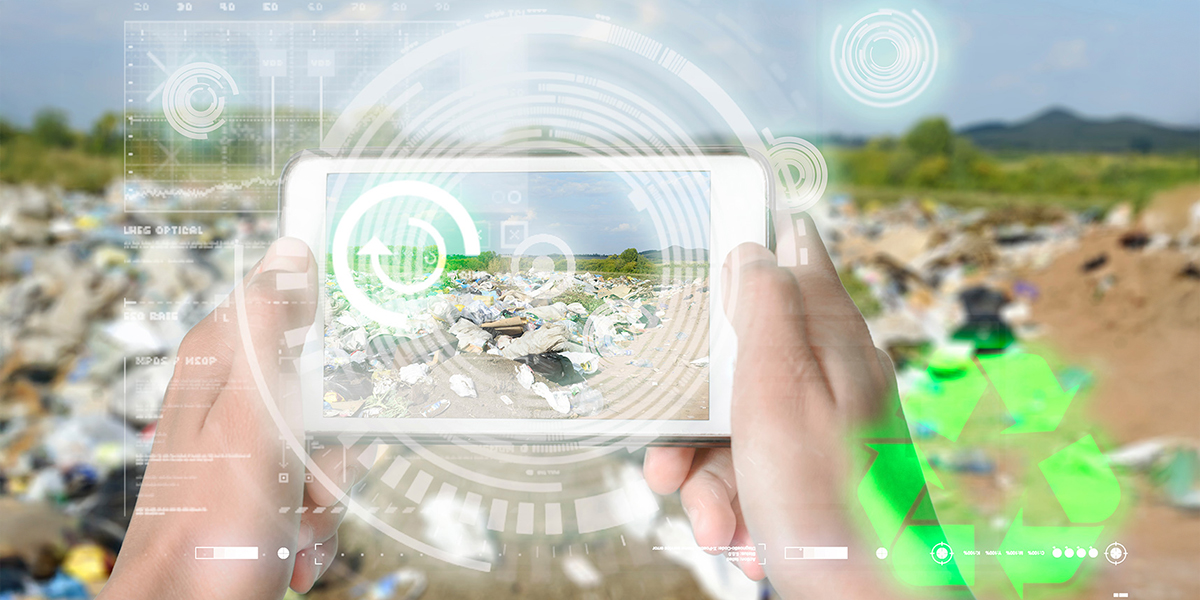
With numerous expert interviews, the sixth POLYPROBLEM report takes an in-depth look at the question of how much digital innovations contribute to the fight against plastic waste. The finding: There is still a lot to do.
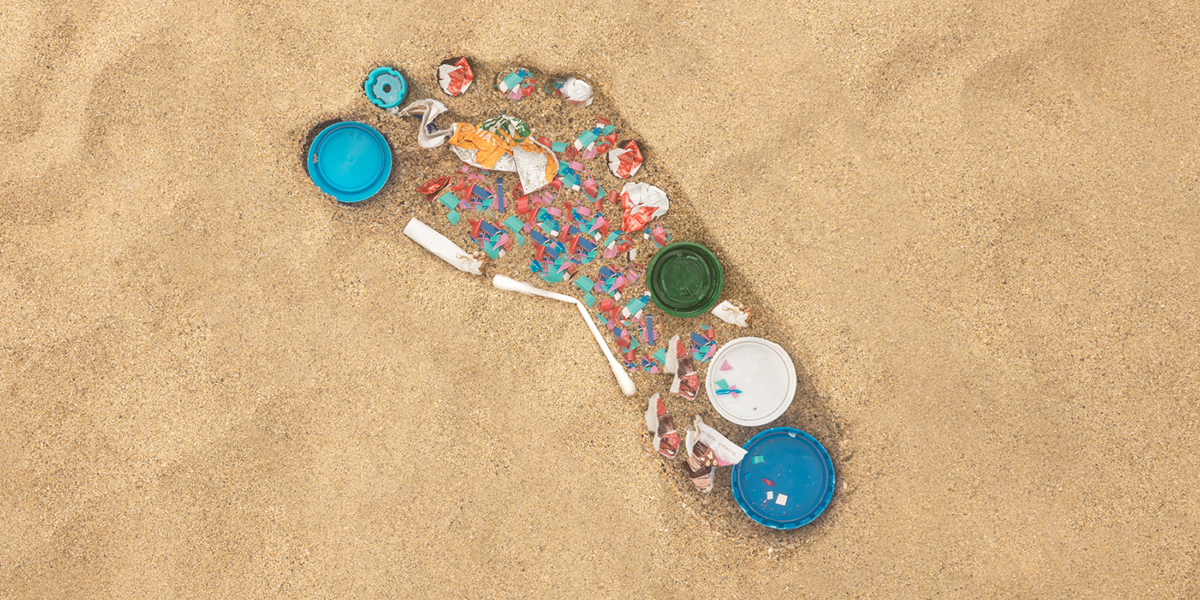
Offsetting measures still play a subordinate role in combating the global plastic waste crisis. This is mainly due to an intransparent market and inadequate standardization.
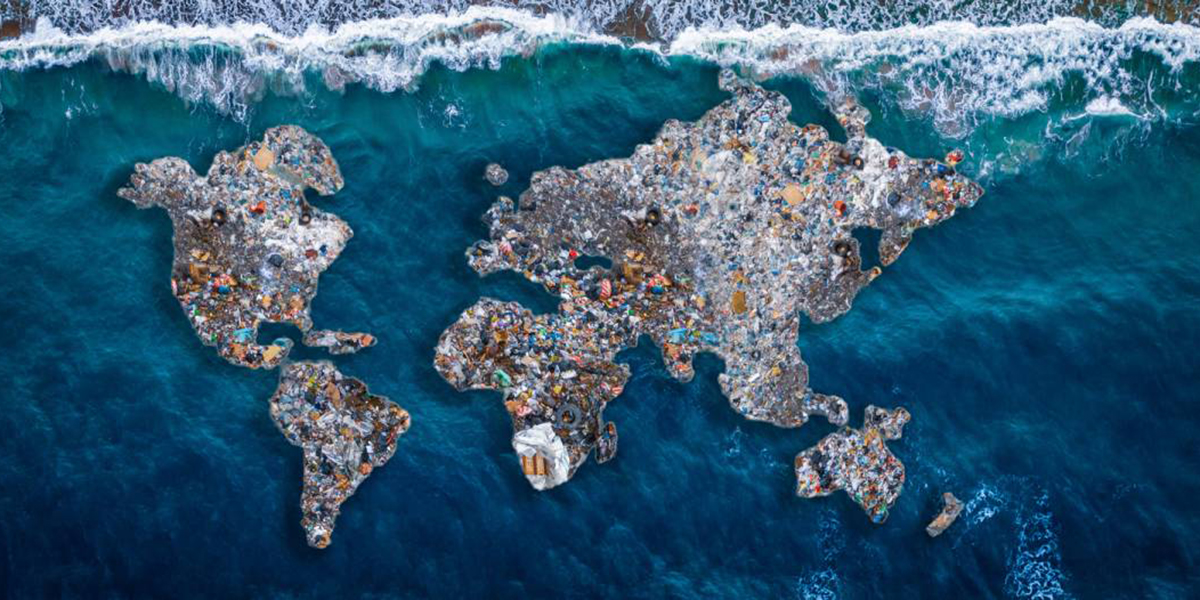
Bans on single-use plastic items lead both to a noticeable reduction in littering and to a more intensive discussion about sustainable consumption. However, the total amount of plastic waste cannot be significantly reduced in this way.
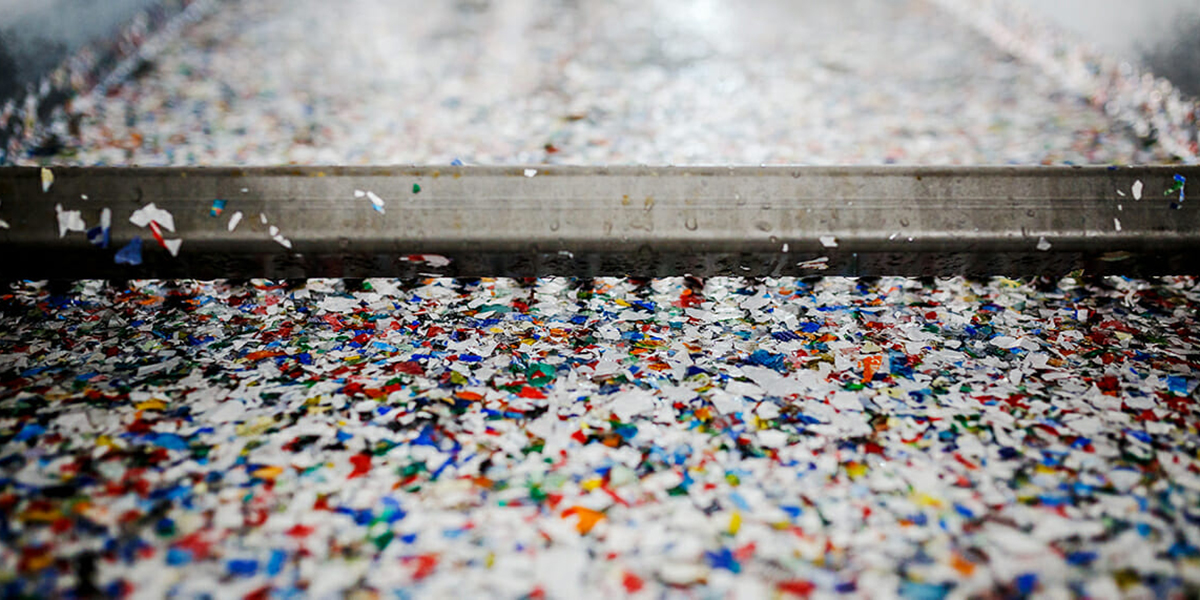
The market for recyclates is broken - this is how the POLYPROBLEM Report summarizes the situation regarding plastic recycling. The report analyzes why the plastic cycle is currently failing and provides approaches to counteract this.
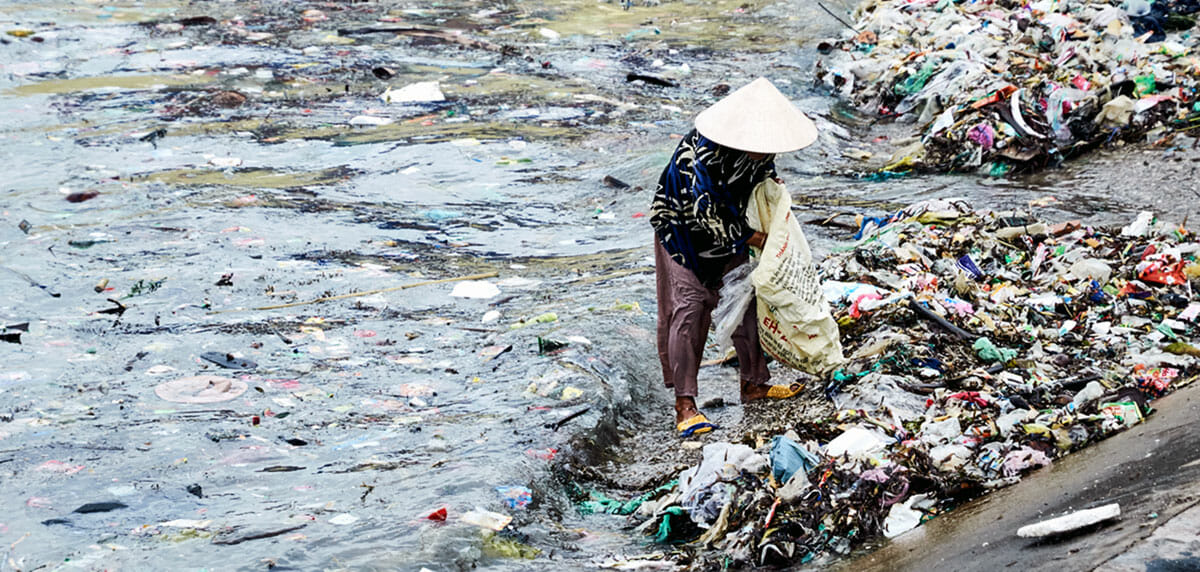
More than half of the plastic waste in the oceans comes from five Asian countries - even though they consume many times less plastic per capita than industrialized nations. This is due to inadequate waste systems.

Despite the attention given to the increasing environmental pollution caused by plastic waste, a global agenda to solve the problem is not in sight. This is the critical finding of the first POLYPROBLEM report.