

POLYPROBLEM Stakeholder Dialogue 2022
with top experts from business, politics, and civil society
Systemic change is feasible… and even pays off
If almost everything is connected to everything else that threatens the planet, then the answer can only be a systemic change – the most difficult and complex of all conceivable tasks.
In such a situation, scenarios are indispensable. Answering the question “What happens if…” on a scientific basis is probably the only way to prioritize personal and collective action in complex crises.
Recordings of the POLYPROBLEM Stakeholder Dialogue
Many thanks to FRAITAG.de
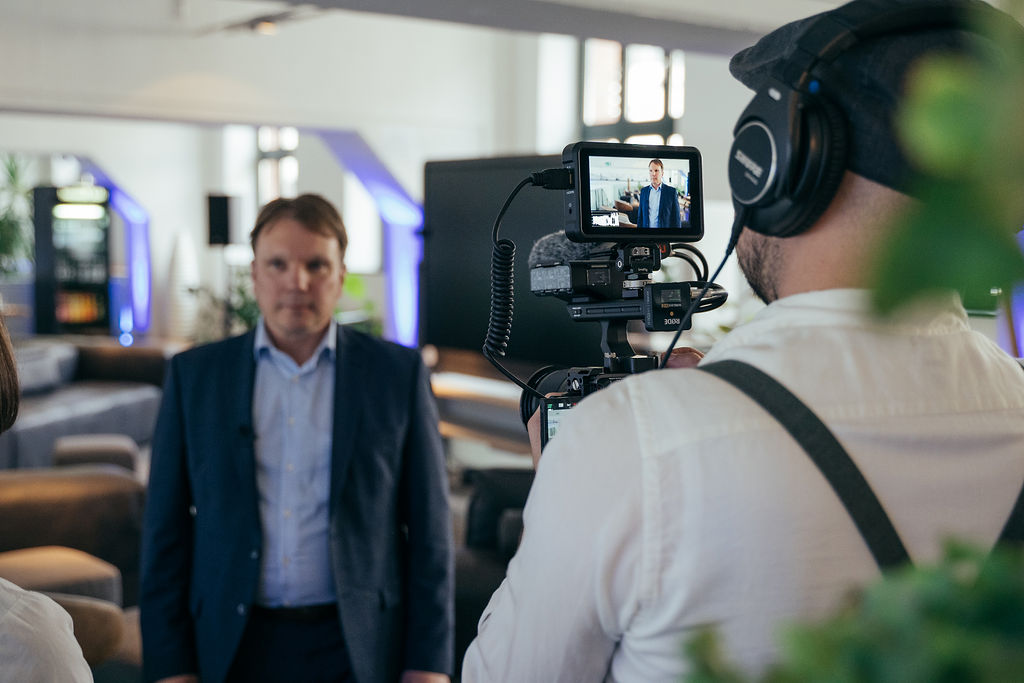
Many thanks to Stifter TV
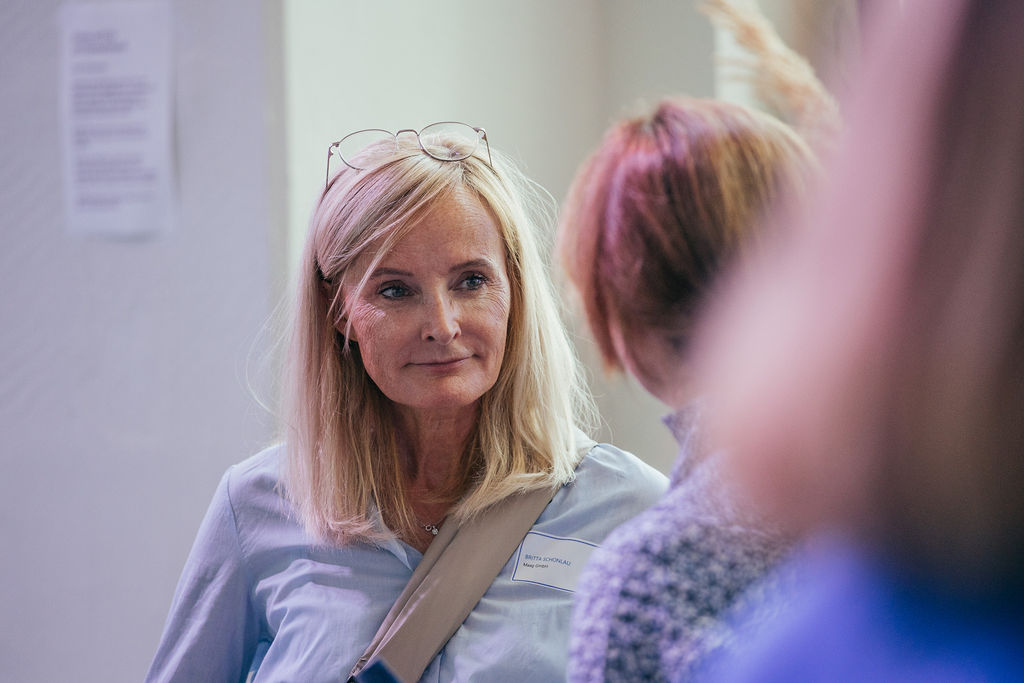
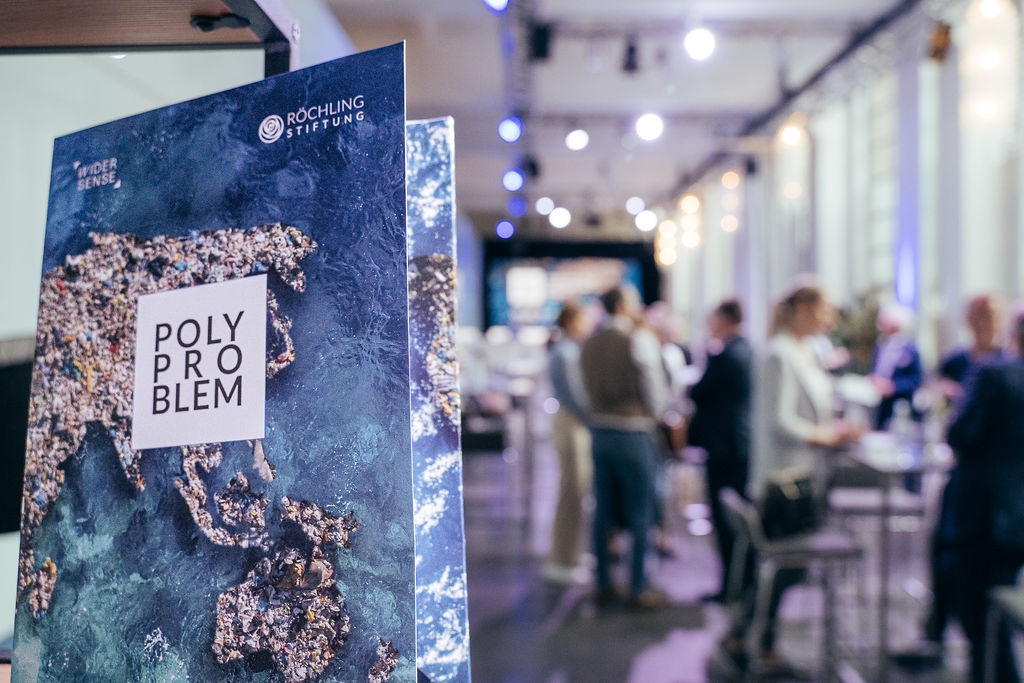
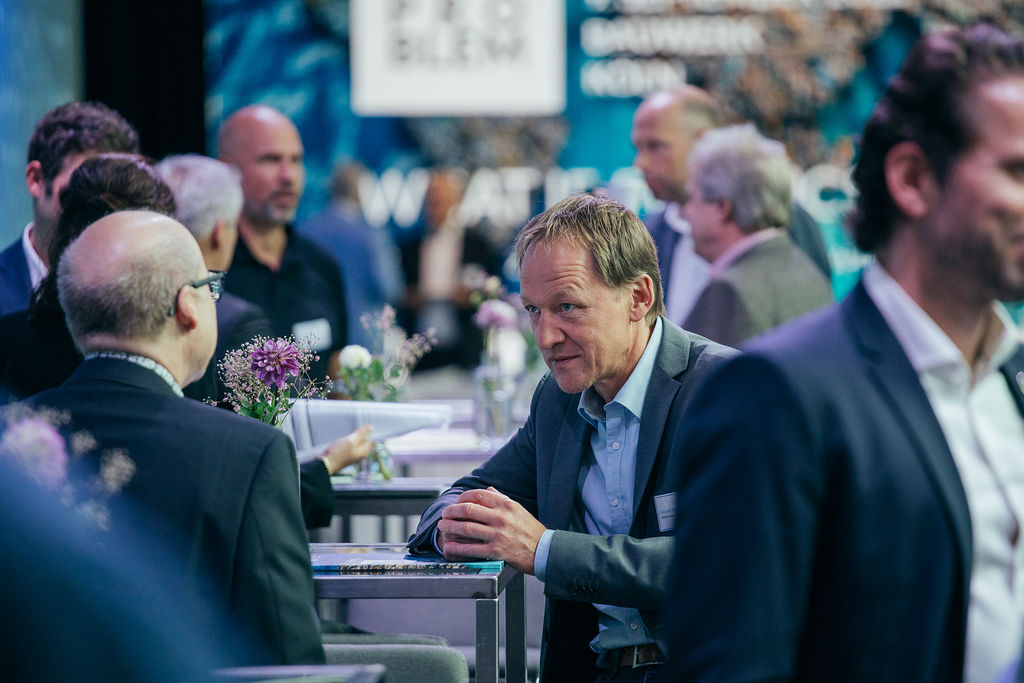
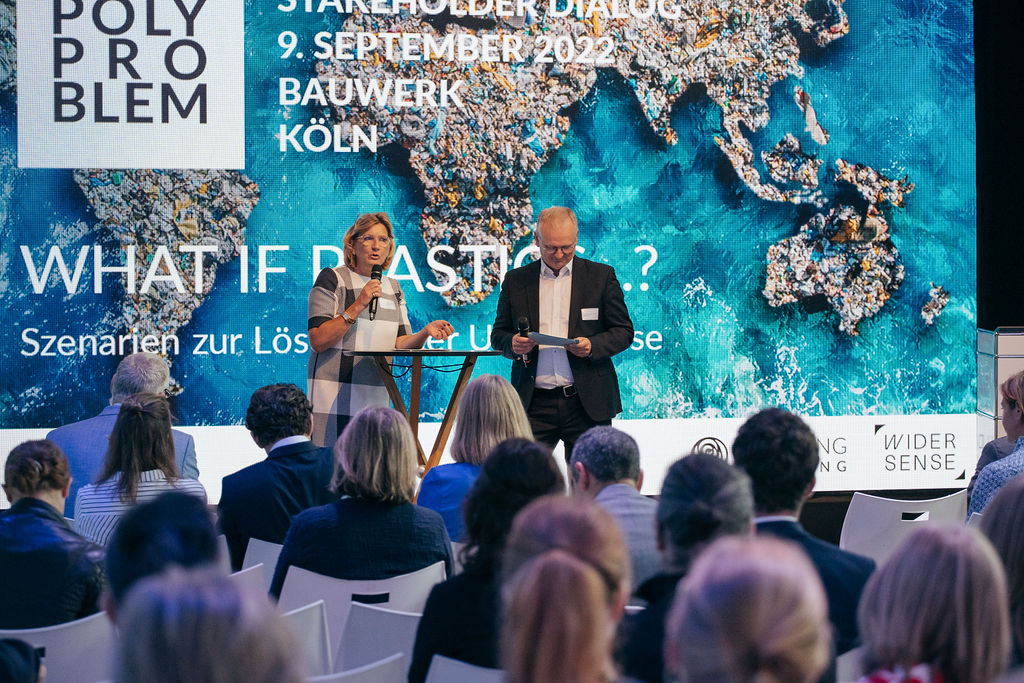
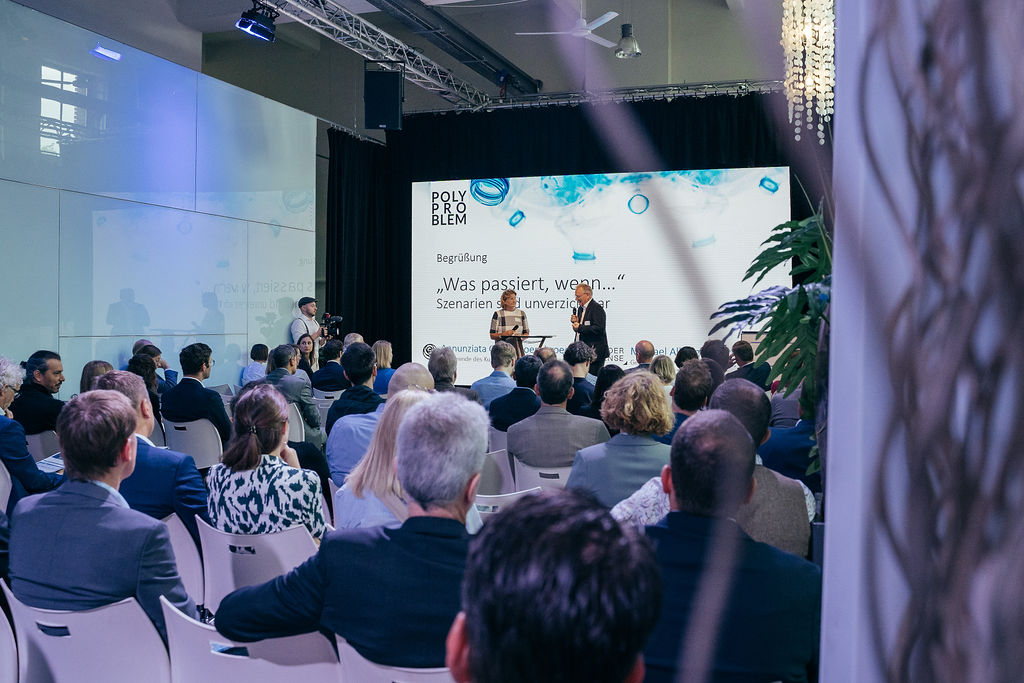
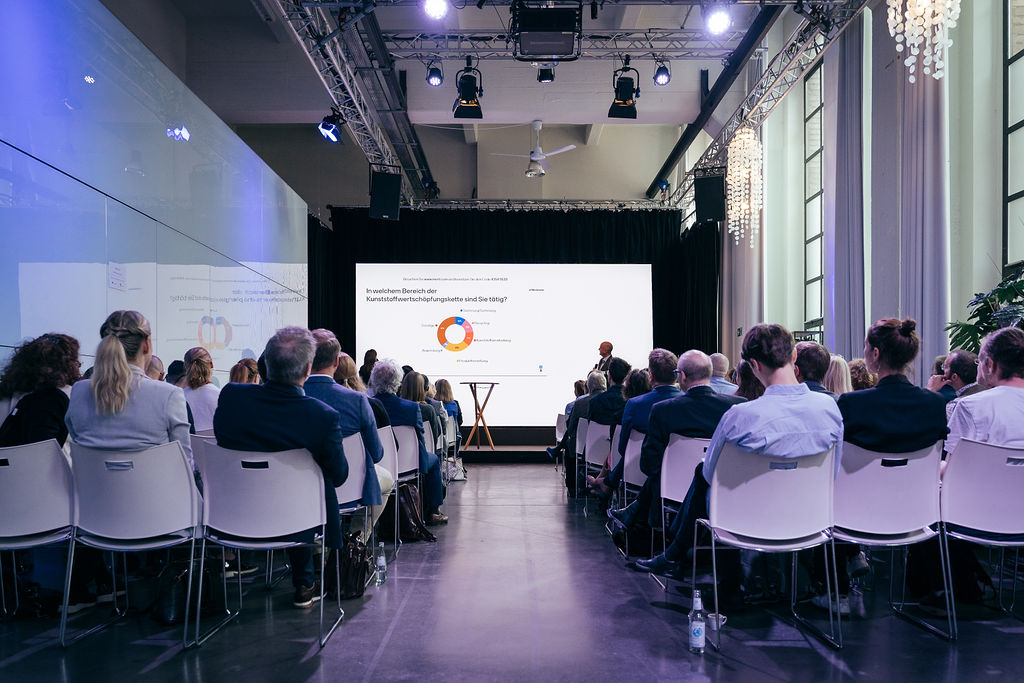
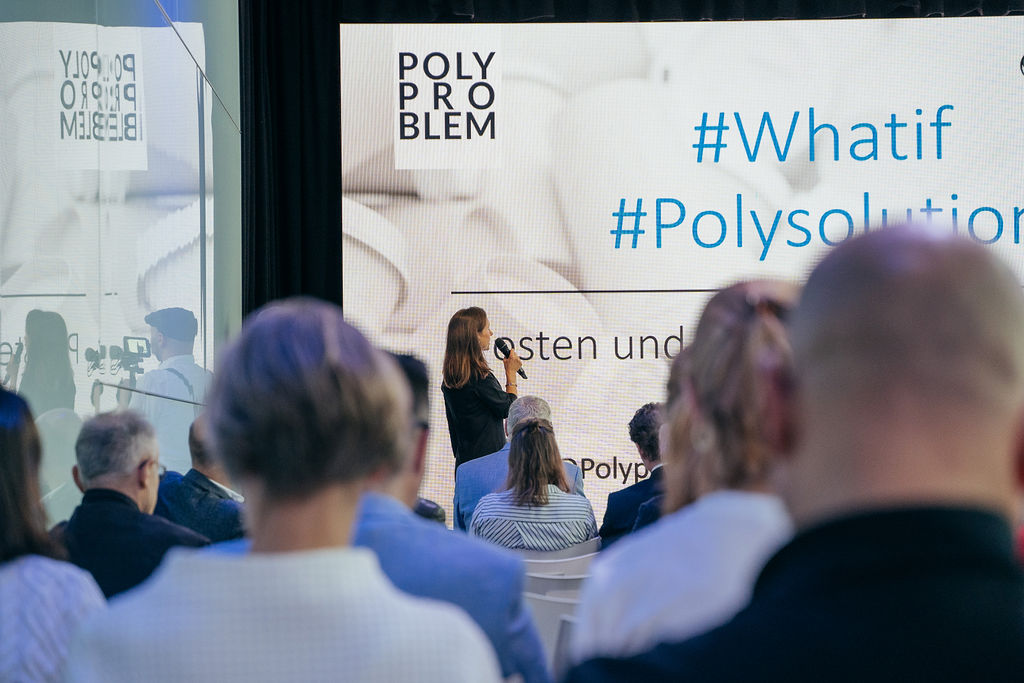
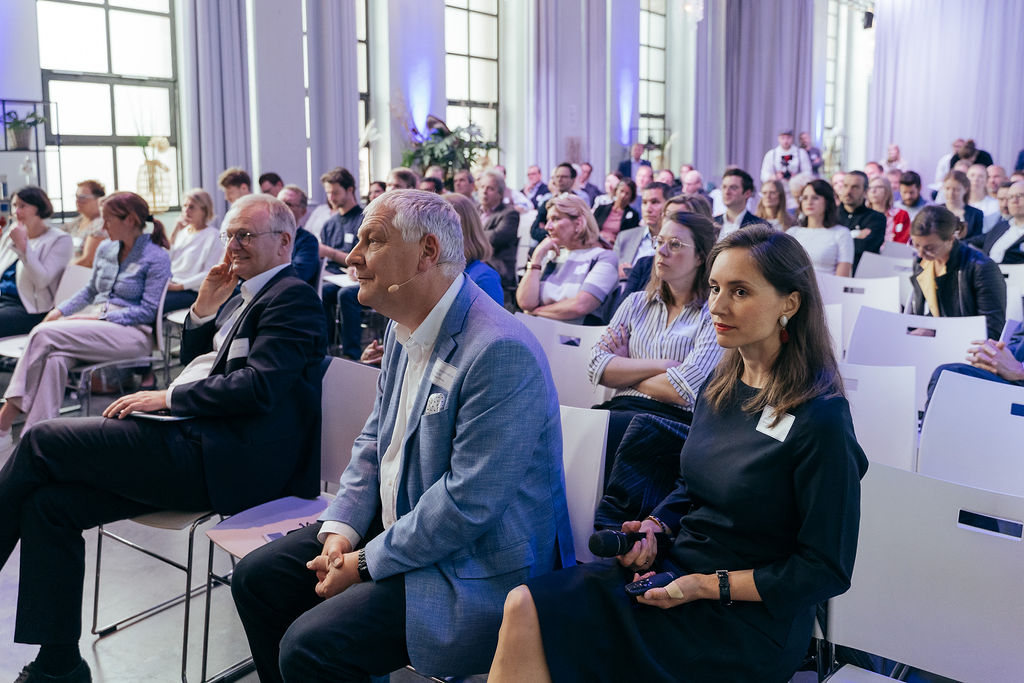
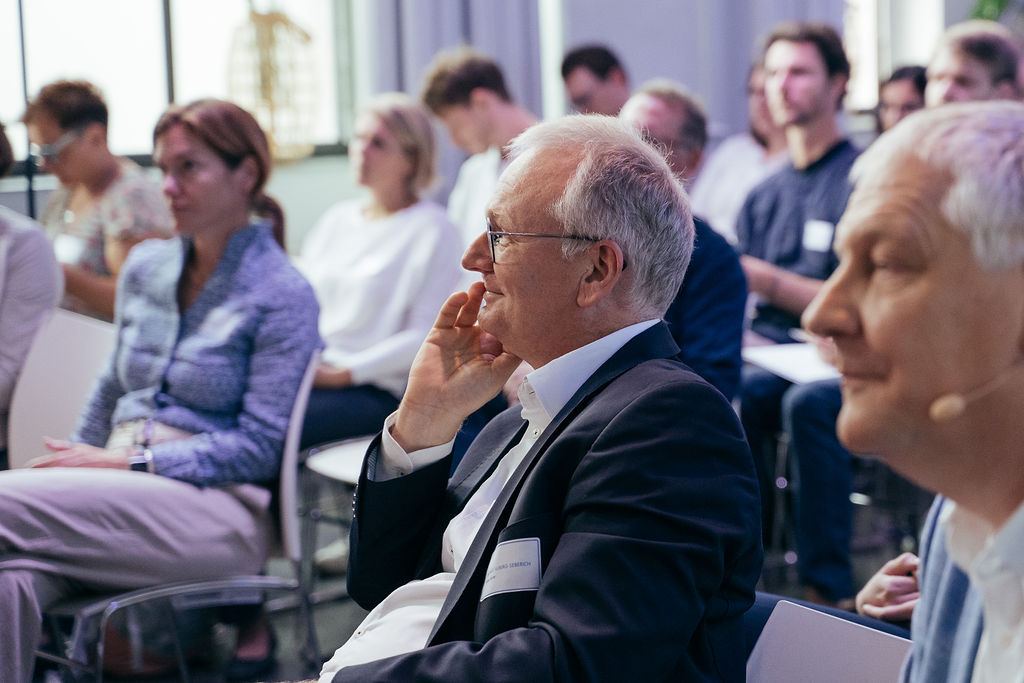
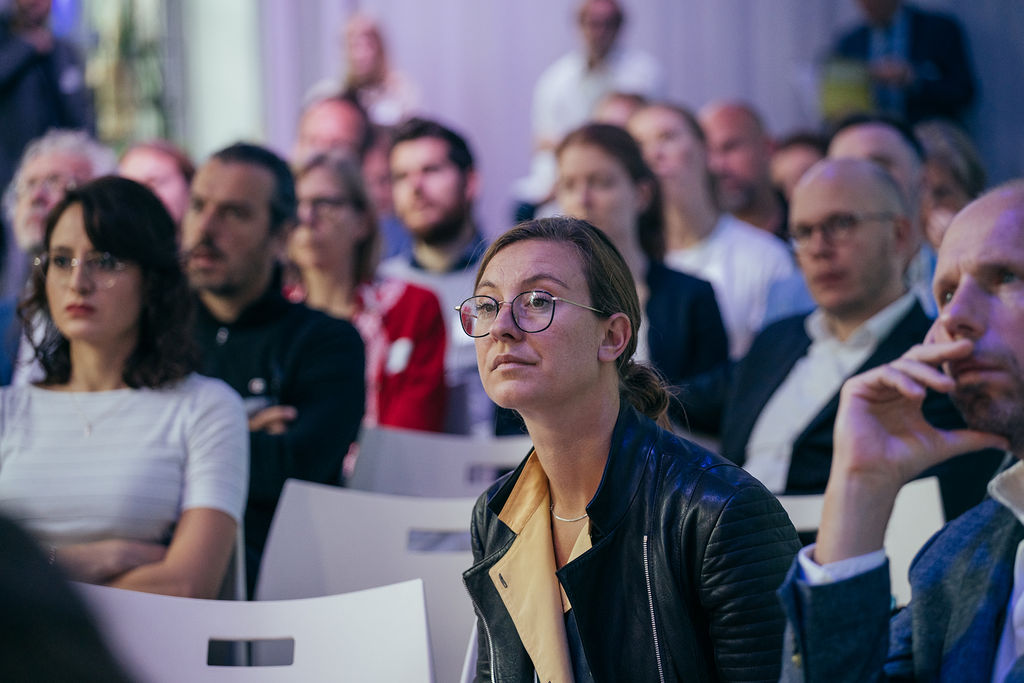
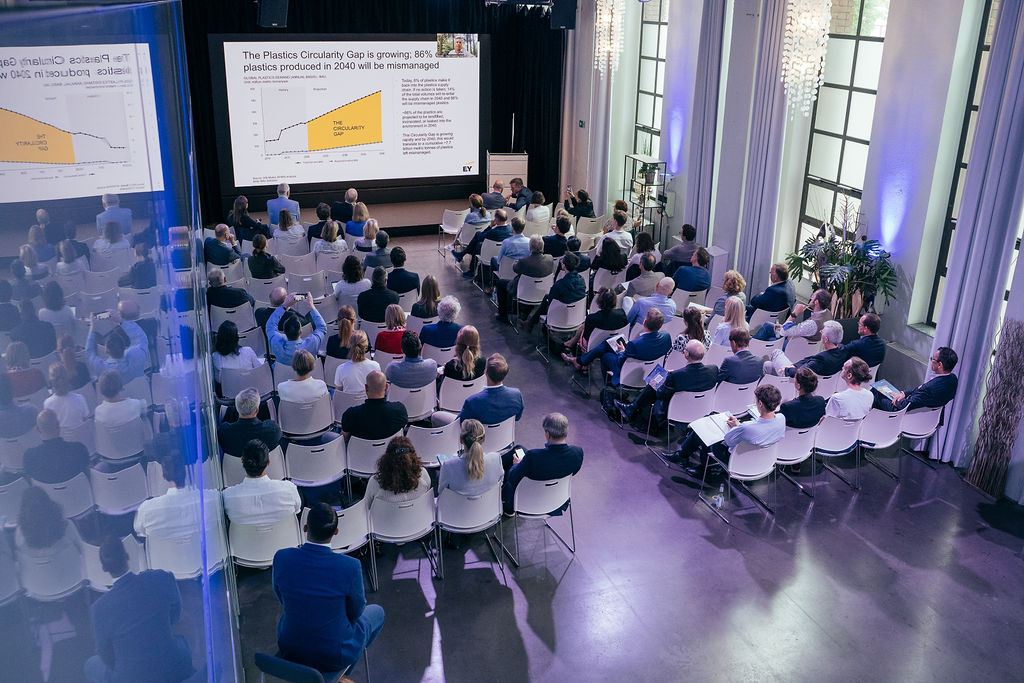
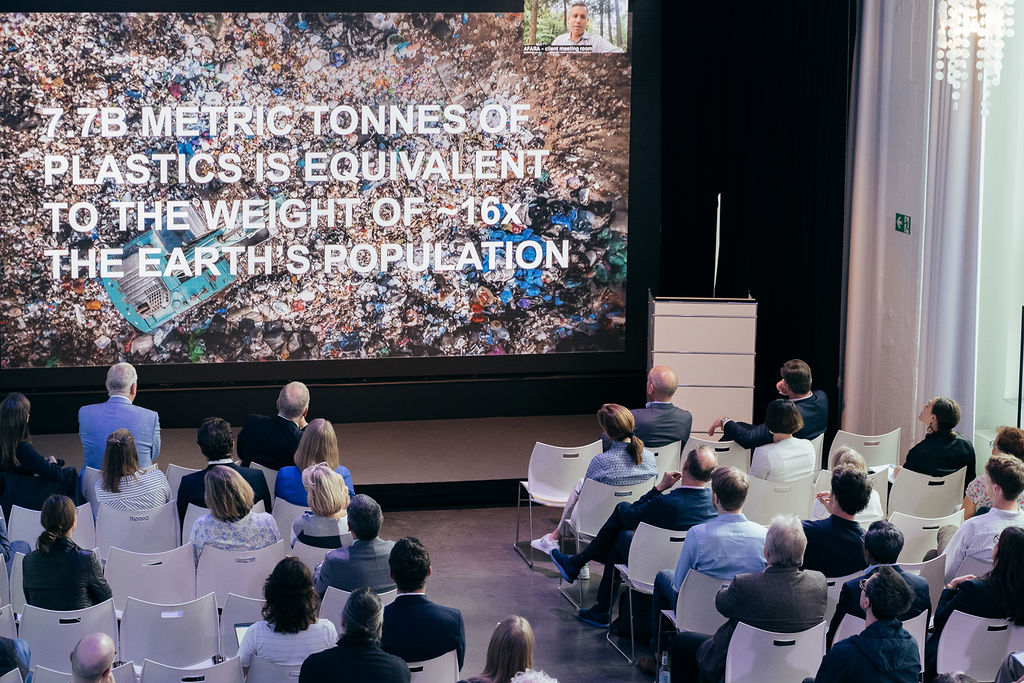
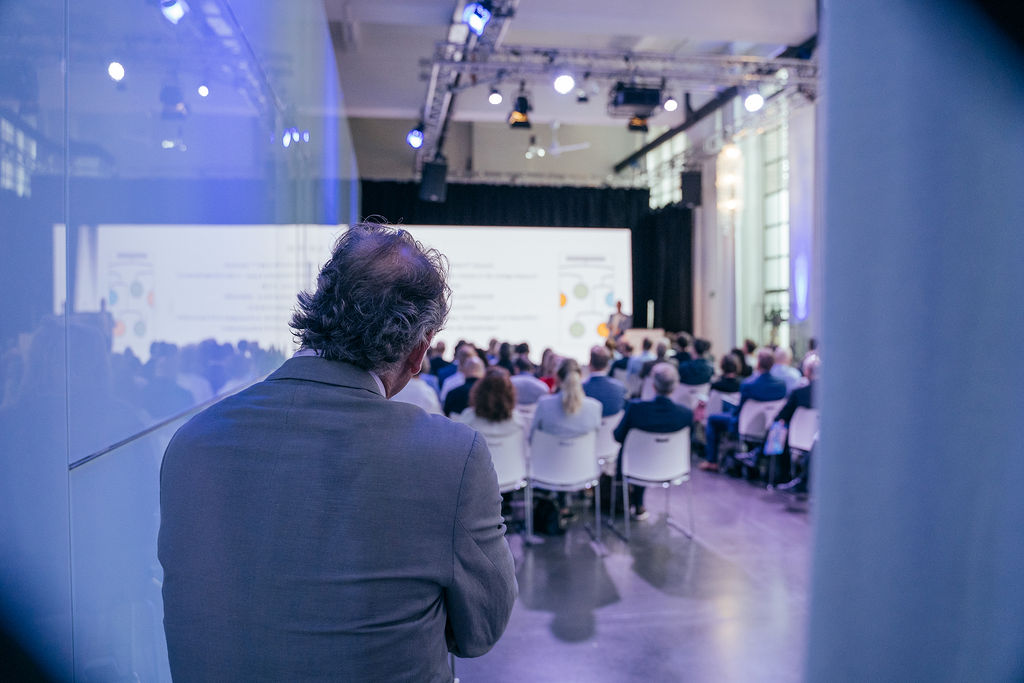
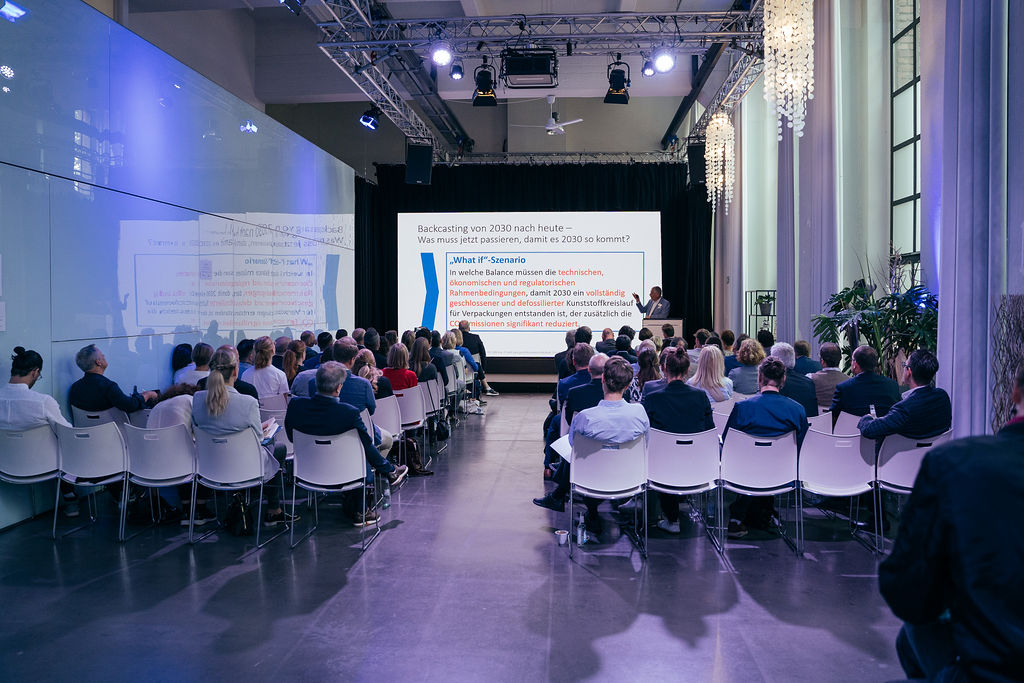
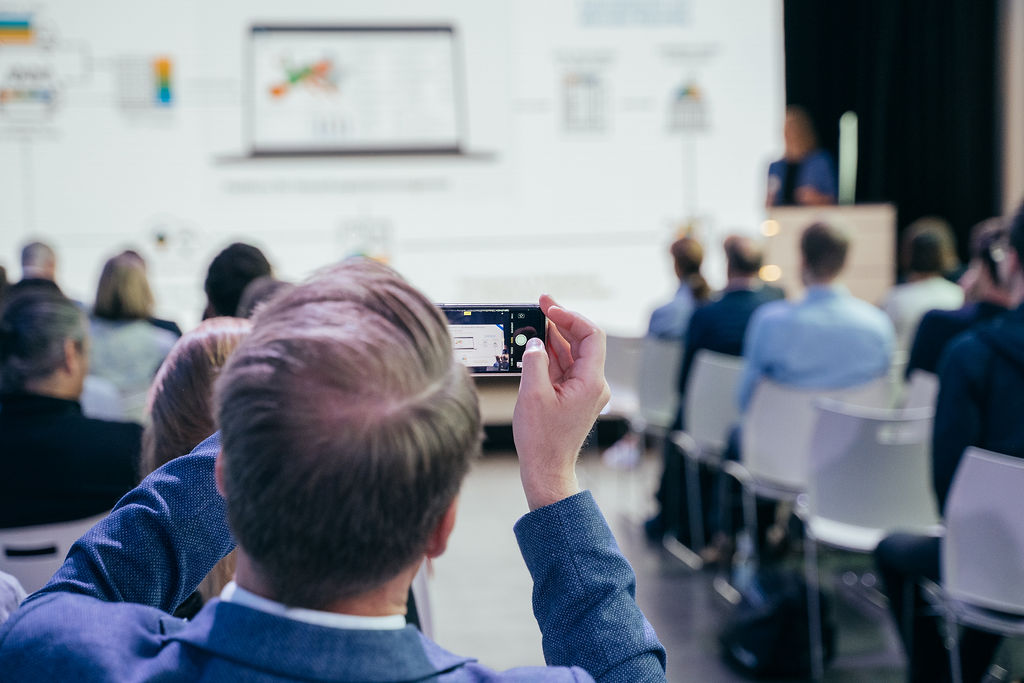
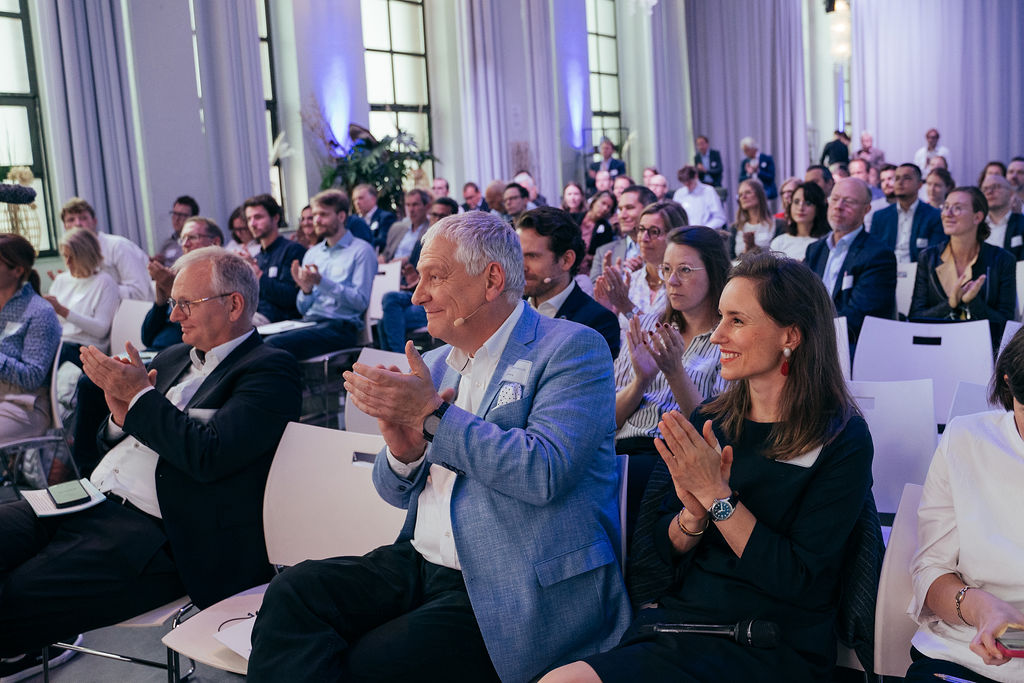
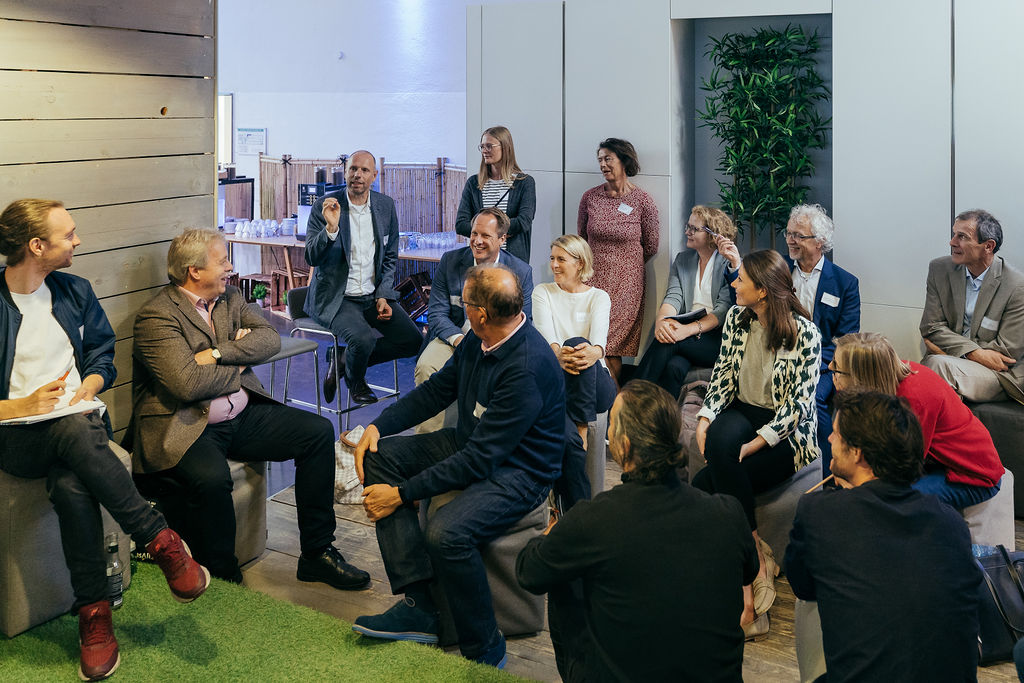
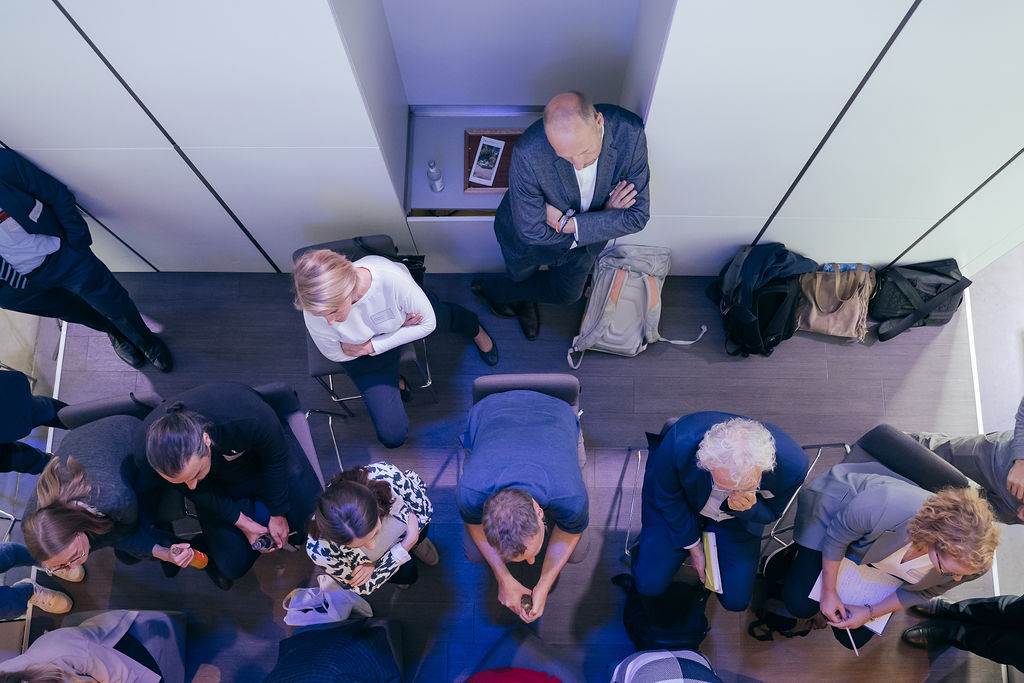
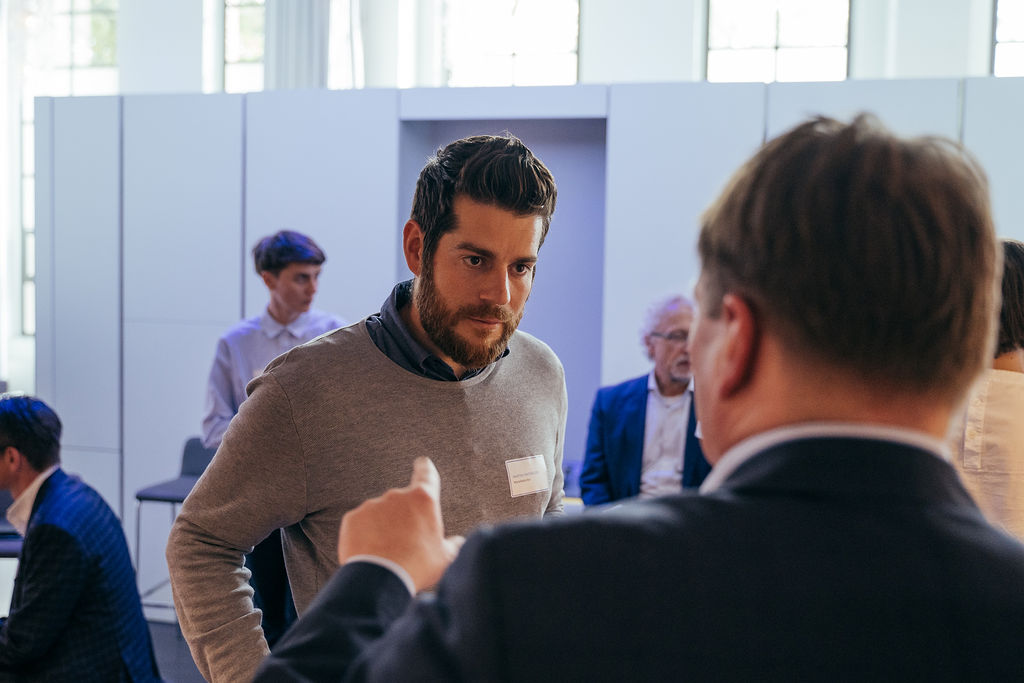
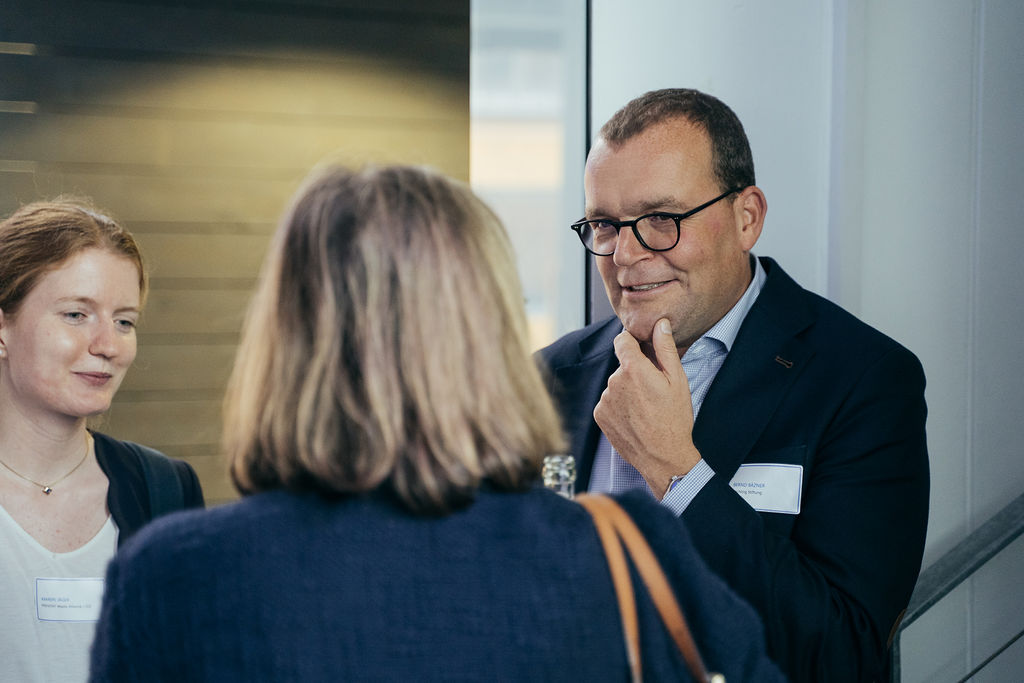
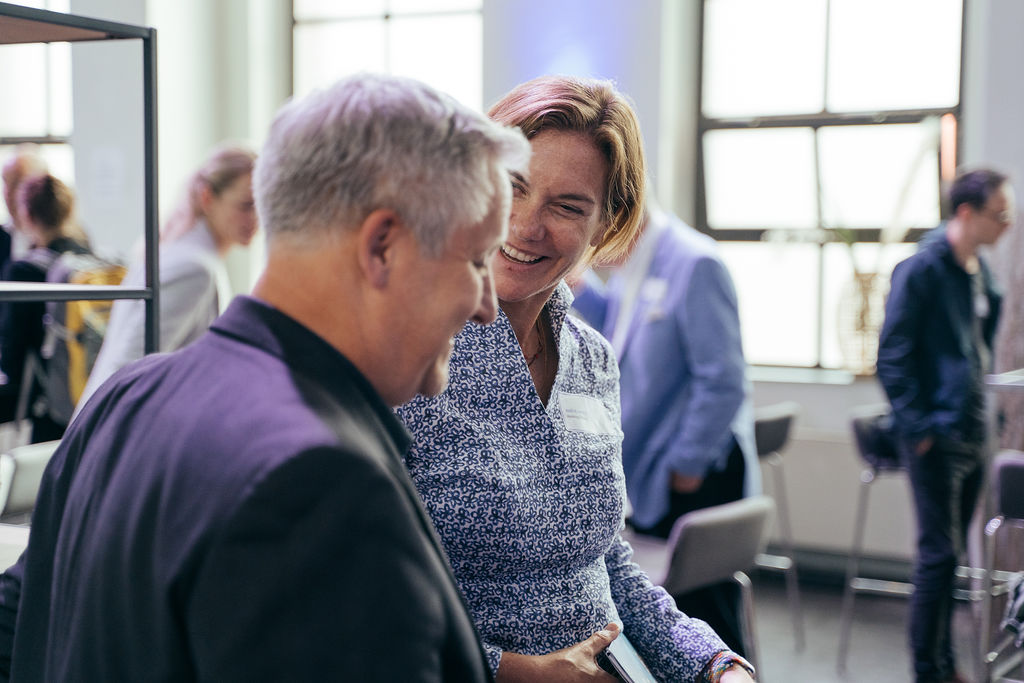
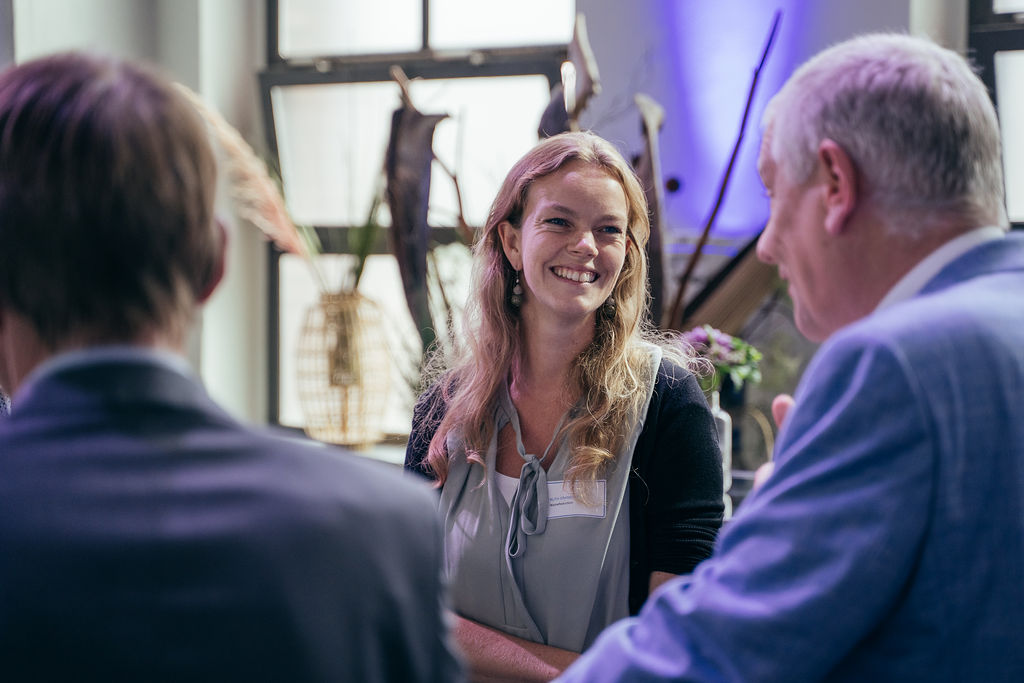
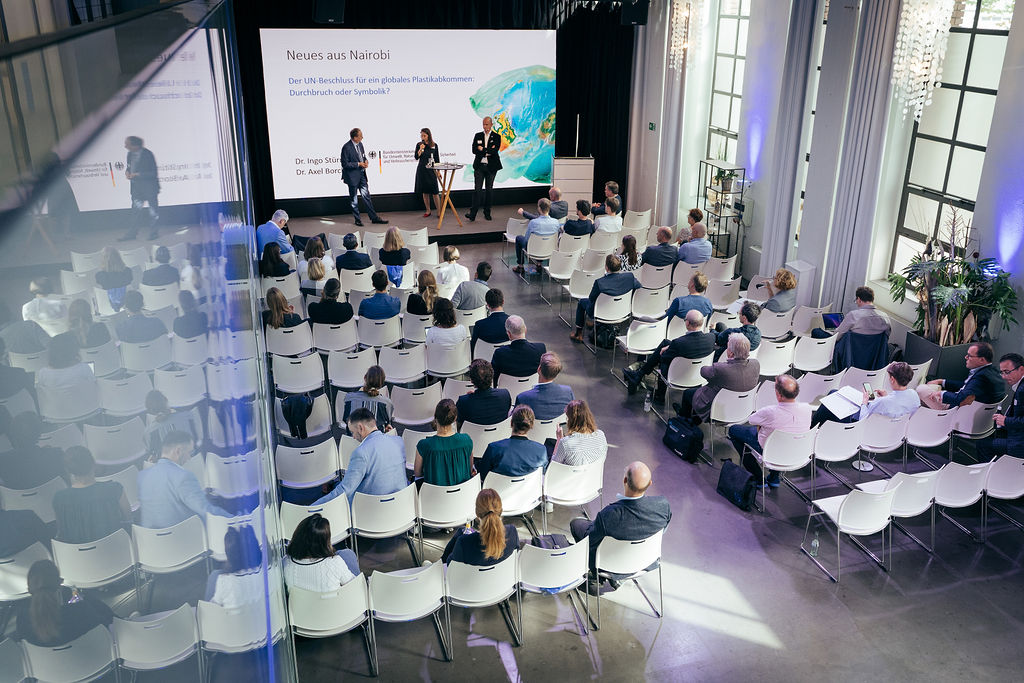
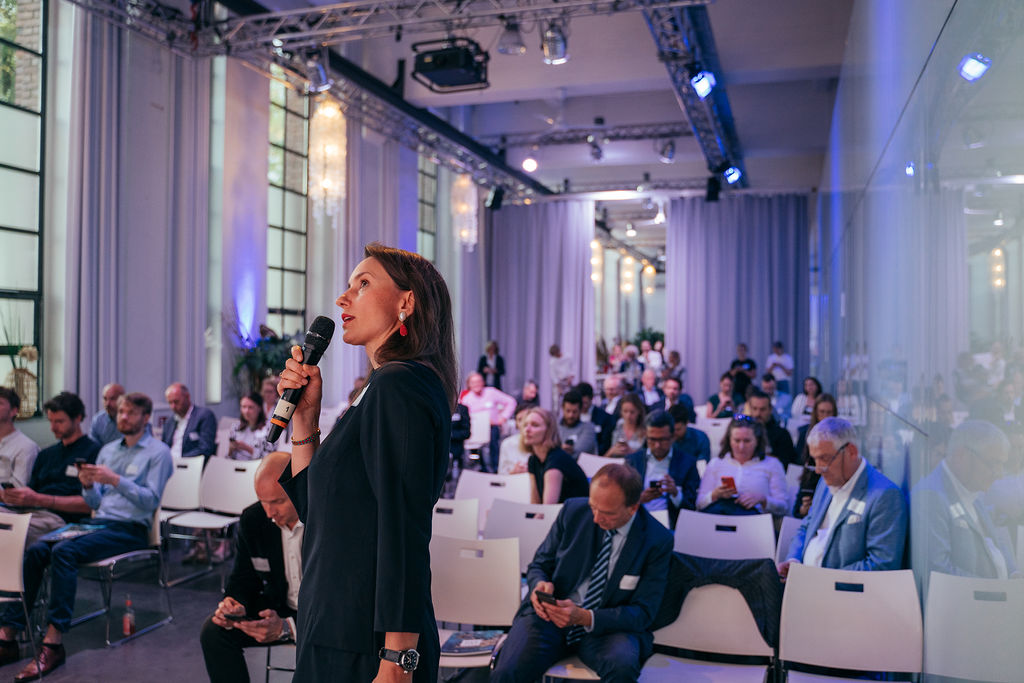
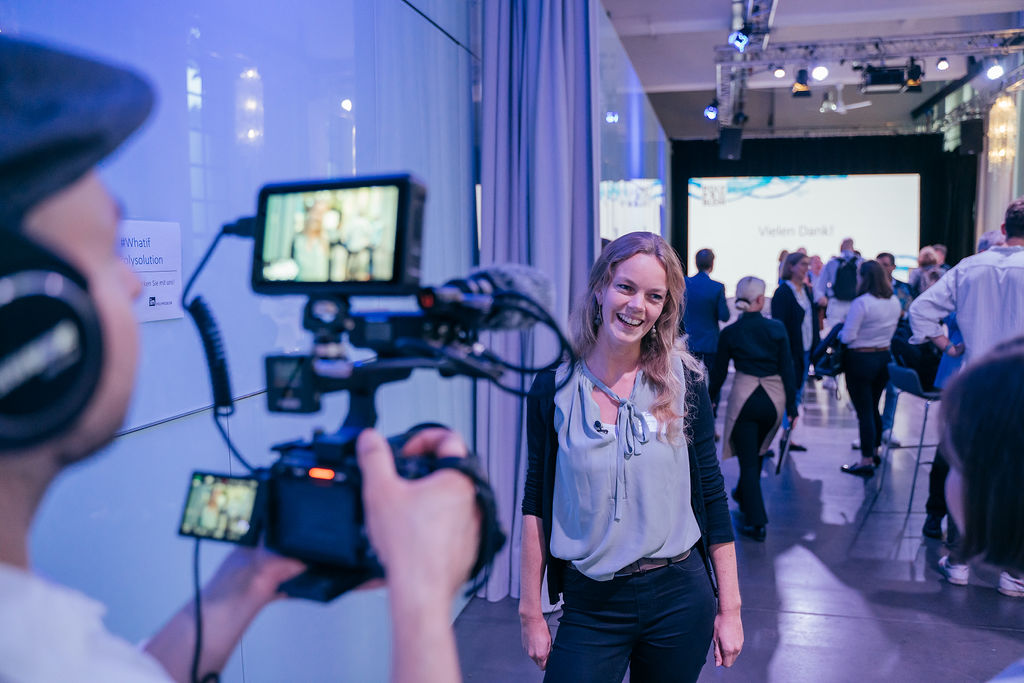
Almost 100 experts at the POLYPROBLEM Stakeholder Dialogue 2022 in Cologne, at the invitation of the Röchling Foundation and Wider Sense, spent a day together dealing with the “What if…?”, i.e., with the probable effects of different courses of action as opposed to “business as usual.”
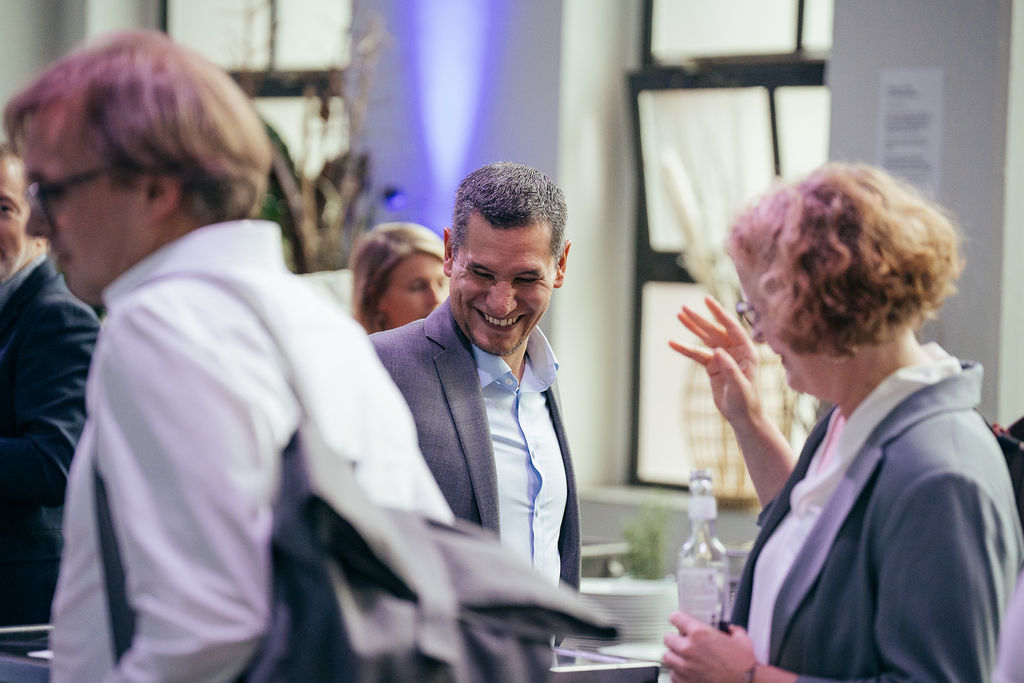
Executives from large consumer goods companies were represented, as were representatives from the recycling industry, the chemical industry, and plastics production. They met activists from NGOs, socio-ecological start-ups, and representatives from relevant industry and interest groups at the Cologne Bauwerk. Scientific research institutions and universities were also represented.
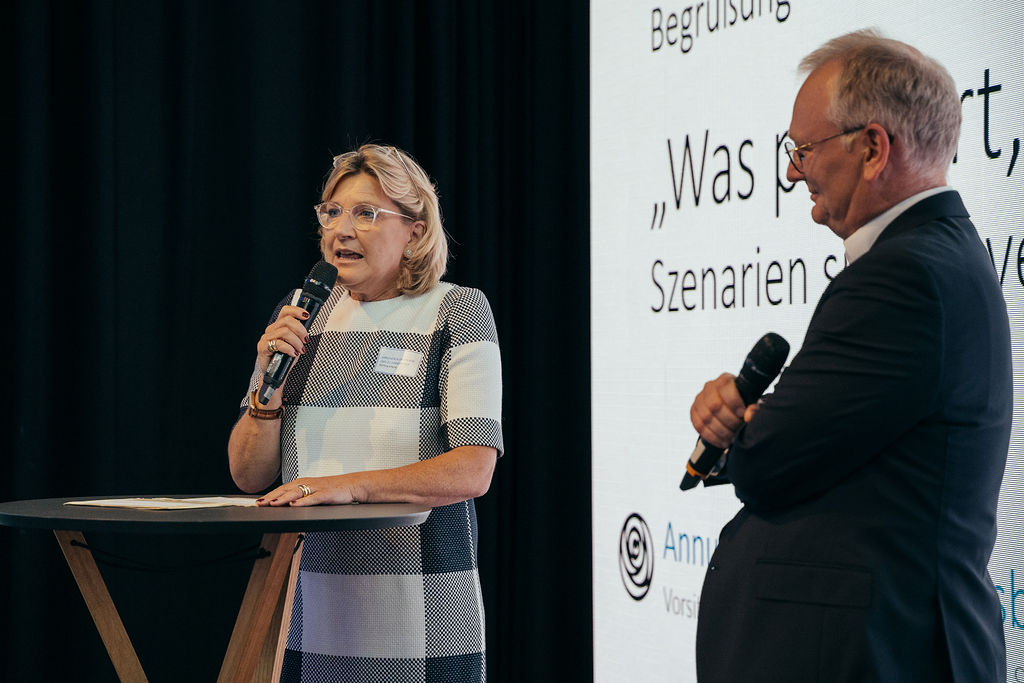
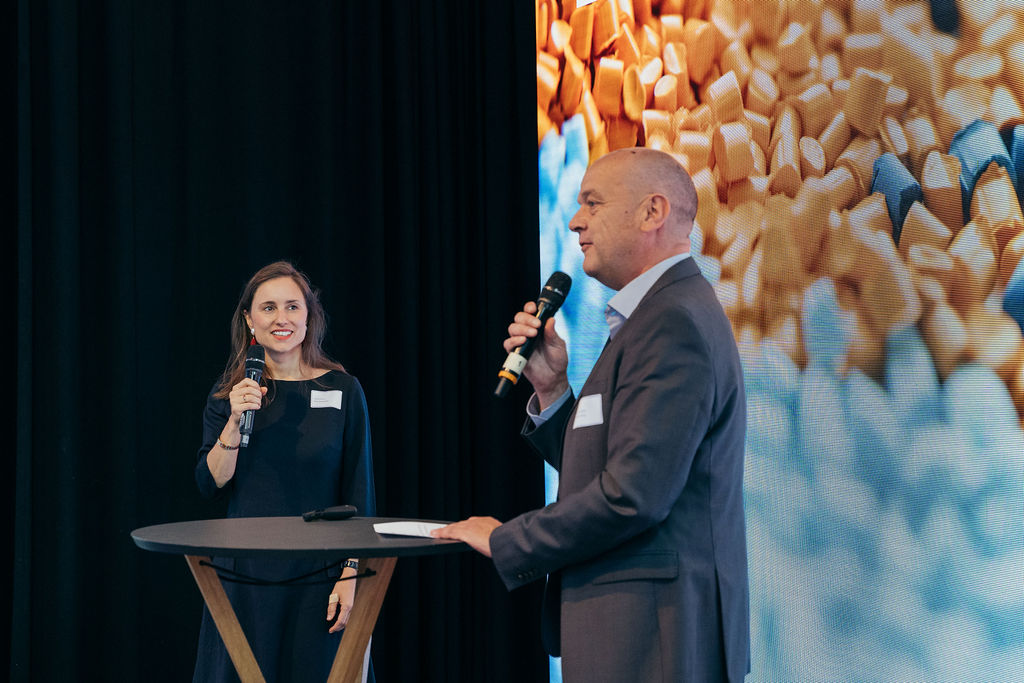
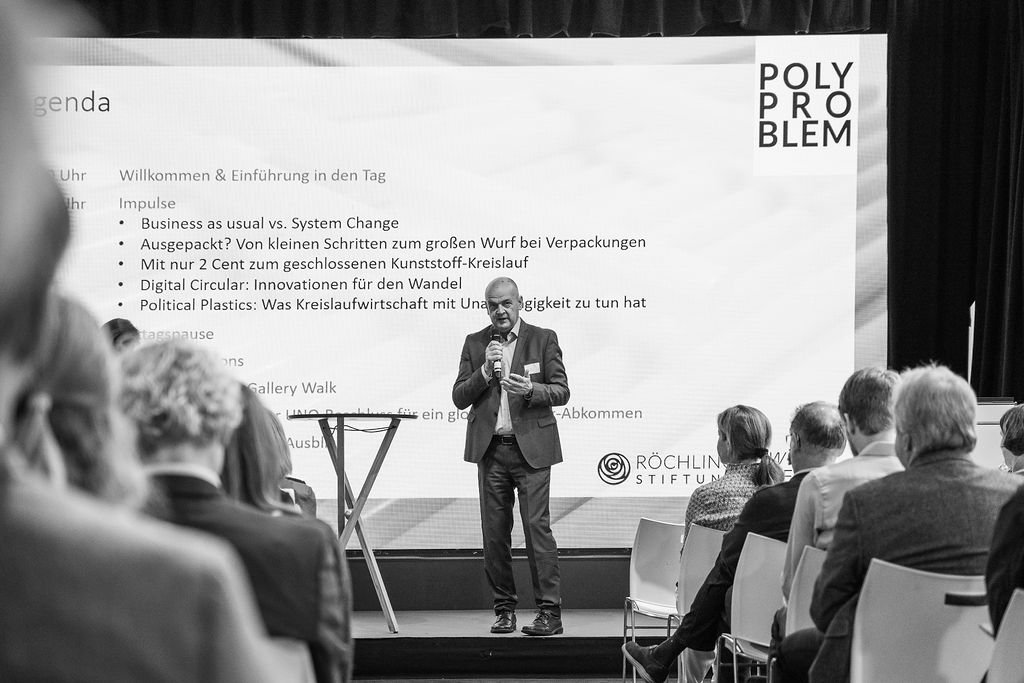
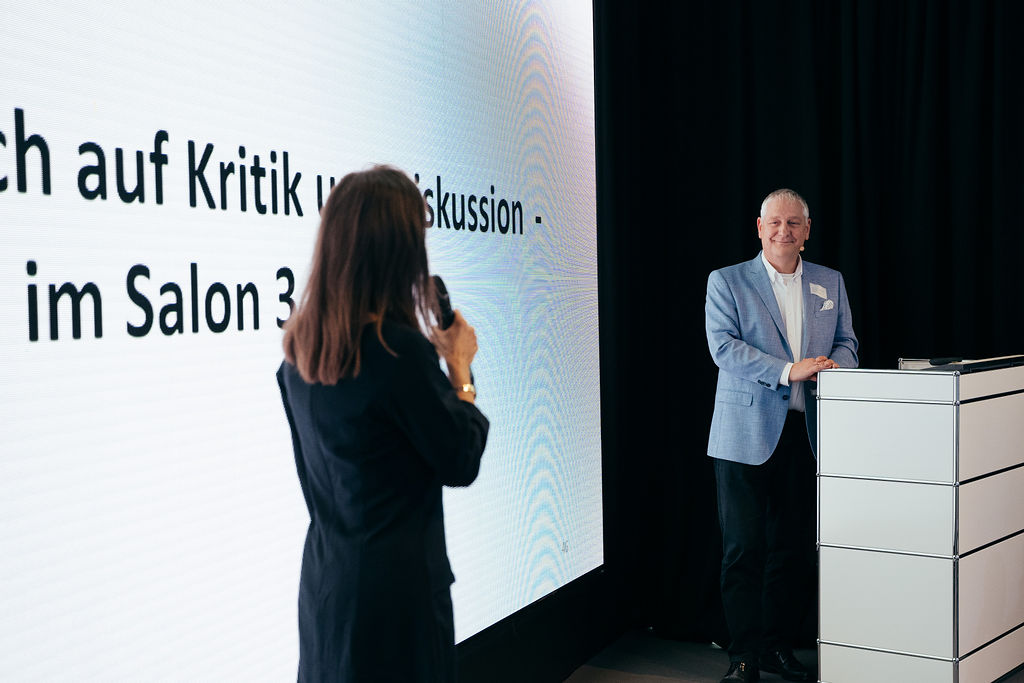
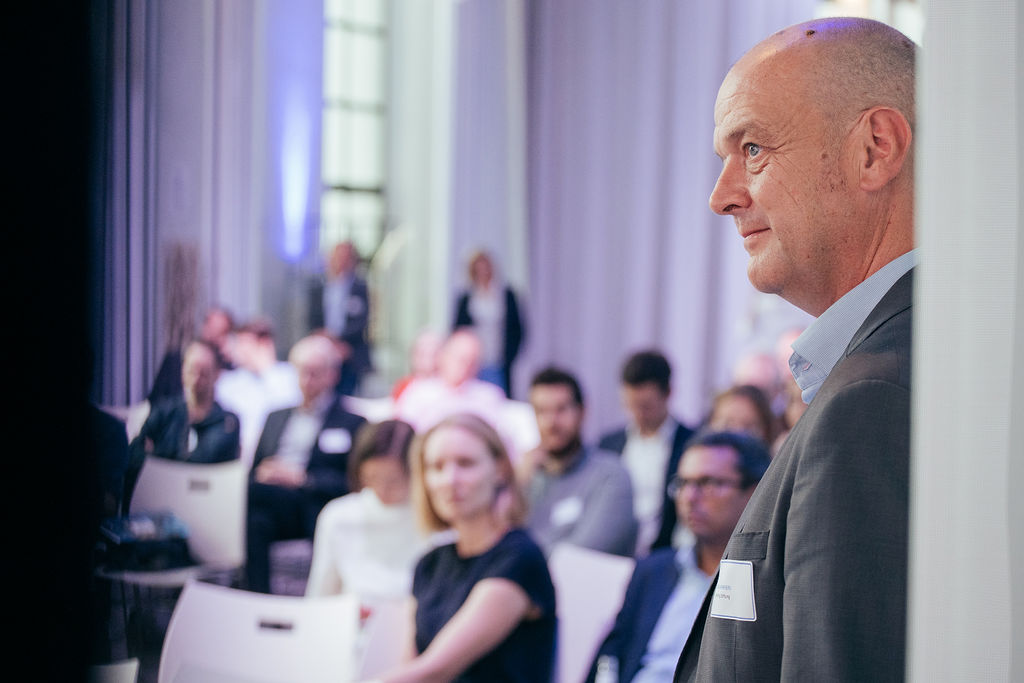
This cross-sectoral and intensive dialogue in a relatively protected space is the stated goal of the organizers, as the Chairwoman of the Board of Trustees of the Röchling Foundation, Annunziata Gräfin Hoensbroech, and Wider Sense Managing Director Michael Alberg-Seberich made clear in their welcome address.
Personalities who have recently been intensively involved with scenarios on the path to a circular economy for plastic products took to the stage as impulse generators.
They all came to the same conclusion from completely different perspectives: The plastics turnaround is feasible. And it pays off. However, the exit from linear management with plastic requires massive investments in a circular future now.
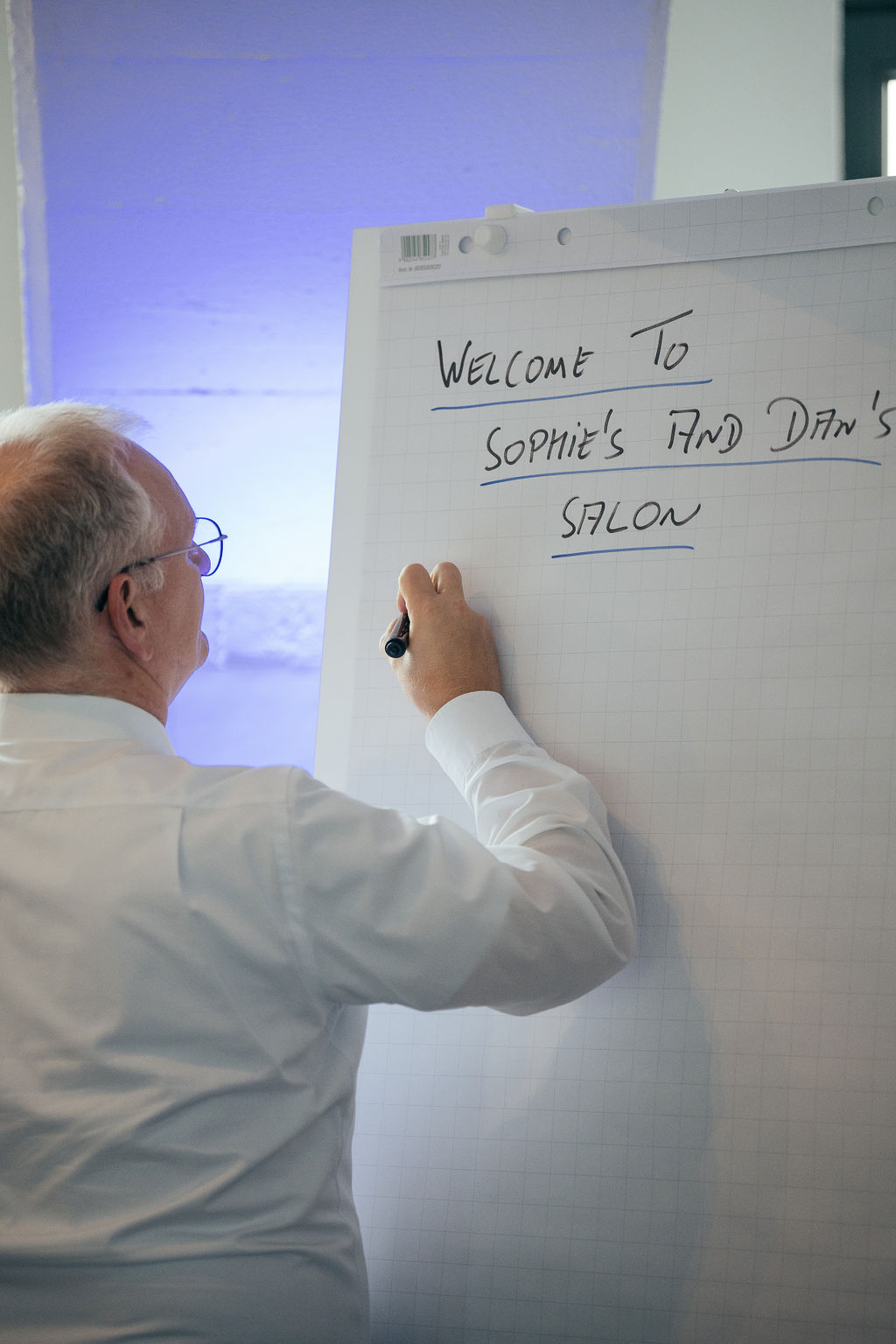
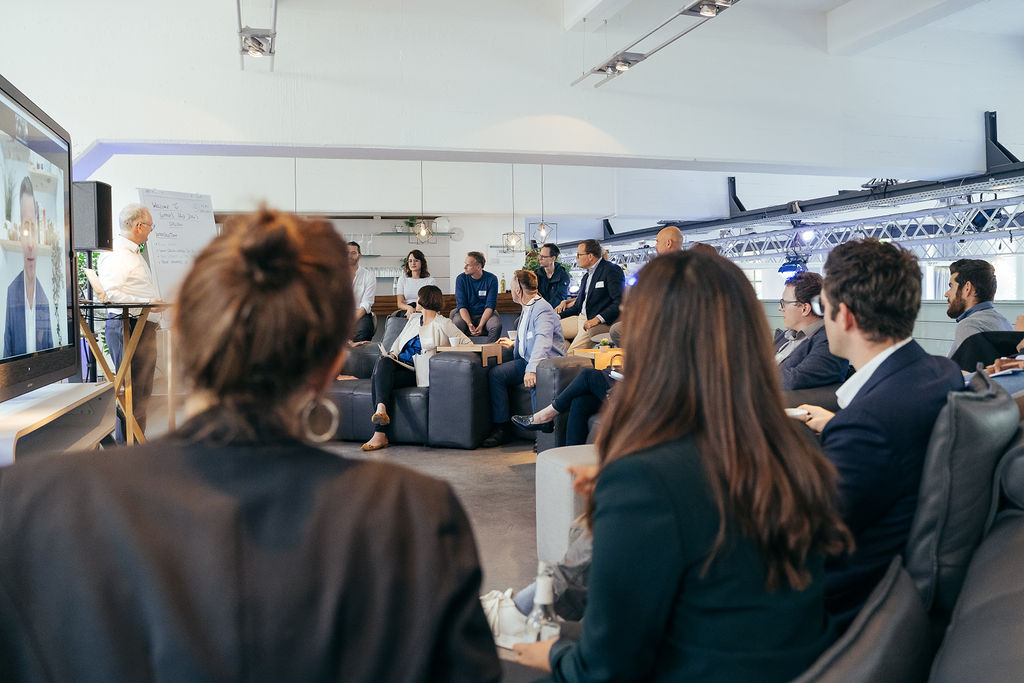
Dan Zilnik, Partner at EY and founder of formerly AFARA, joined the event from Canada. For the Google study “Closing the Circularity Gap” published in spring 2022, he calculated, based on tens of thousands of data points, the conditions under which the transition to a maximum plastic cycle is possible. His figures made it clear that circular business models with plastic offer enormous business opportunities, which must now be tapped with investments in future technologies.
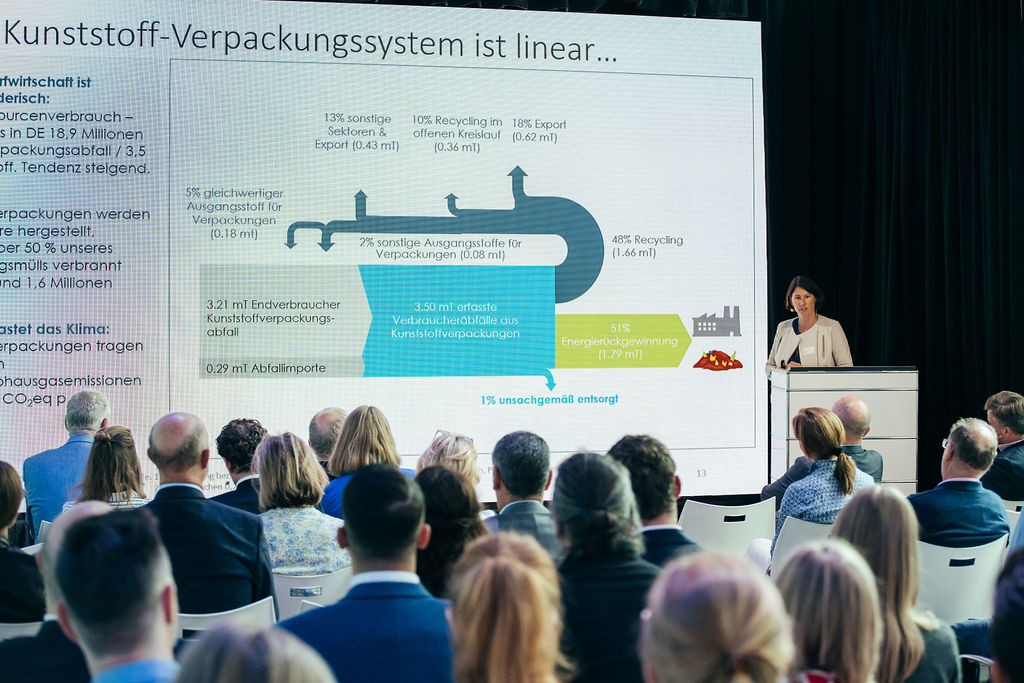
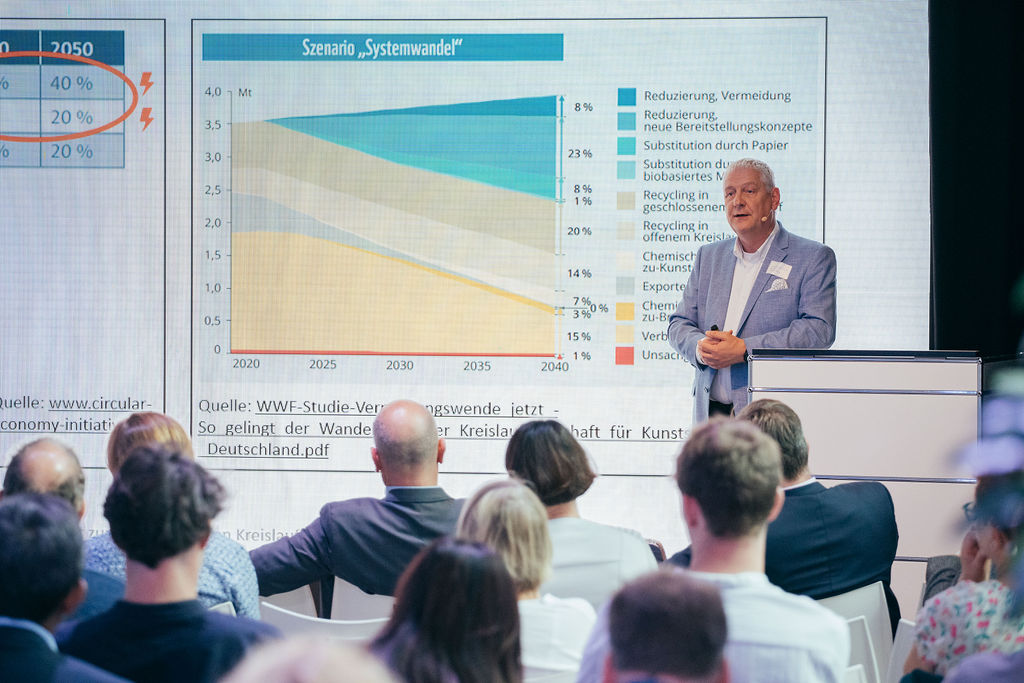
Sophie Herrmann, partner at the globally active think-and-do tank SYSTEMIQ, and her team have conducted several studies examining the potential of already available technologies and strategies for avoiding plastic waste. She calculated that in Germany alone, the use of virgin material could be reduced by around 60 percent and the total waste volume by 40 percent by 2040 if all possibilities were exhausted.
However, she also made it clear that the industry’s current self-commitments and the political regulations adopted so far are not sufficient to achieve this goal.
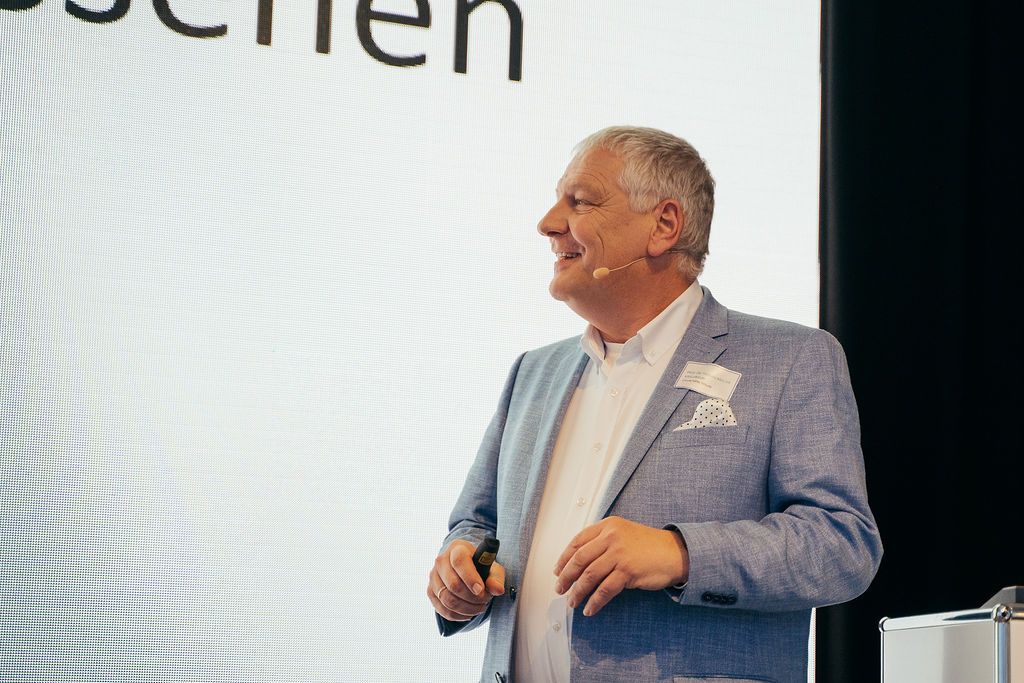
The former Henkel manager Prof. Thomas Müller-Kirschbaum, today an advisor at the Circular Valley Foundation, presented a calculation of the additional costs that a closed plastic cycle would entail for product suppliers and thus ultimately for consumers. He came to a result that was astonishing for many listeners: In a completely closed material cycle without the use of fossil raw materials, a standard plastic bottle – for example, for a cleaning agent – would cost the consumer only two cents more. One reason for this is that the savings in the CO2 price could offset a large part of the additional costs for the use of recyclates.
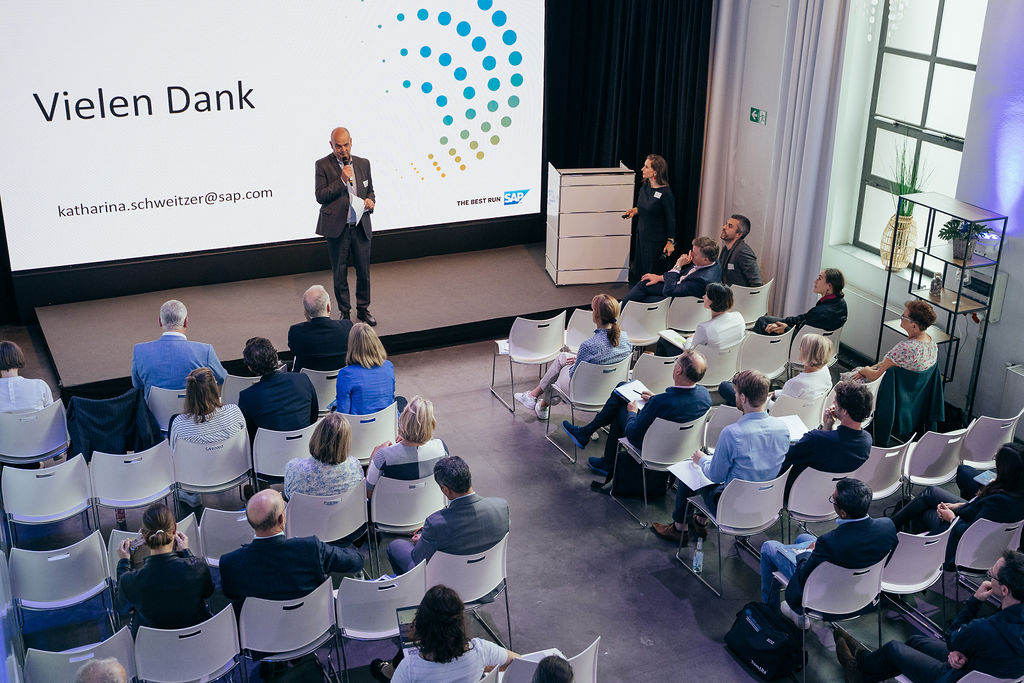
Katharina Schweitzer from SAP looked at the digital framework conditions required for a systemic change towards a plastic cycle in her presentation. She illustrated this challenge with the immense difficulty companies face in fully capturing and evaluating their material flows – further complicated by the fact that completely different legal regulations apply in different countries and regions of the world.
Her thesis: For a functioning circular economy, platforms are essential that map all material flows from design to recycling after the usage phase and thus support constant optimization.
The good news: Such tools exist. The digital economy has recognized the potential of the topic.
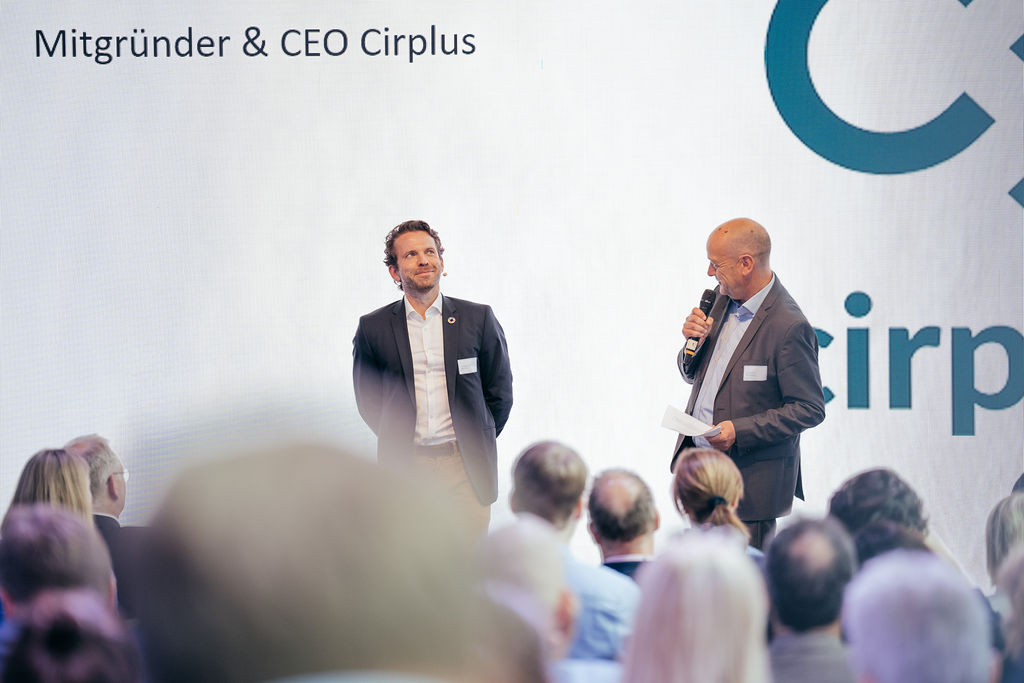
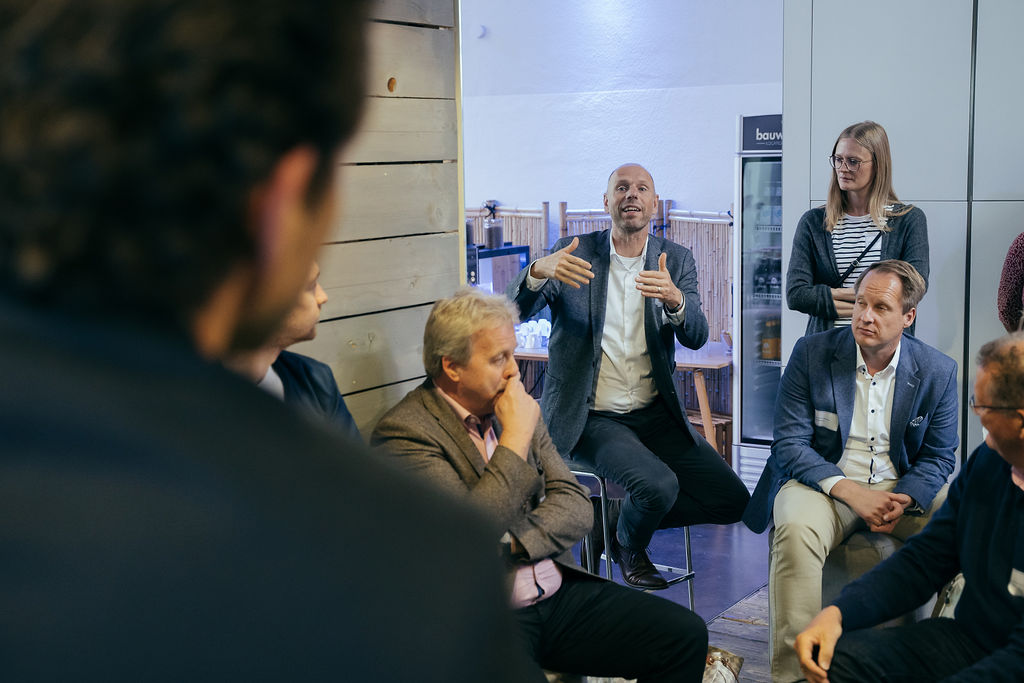
Christian Schiller, founder and CEO of the Hamburg-based startup cirplus, has made it his mission to digitalize the trade in recyclates. In a political talk with Uwe Amrhein, he took a critical look at the sometimes encrusted structures that still stand in the way of a circular economy. We are still a long way from the necessary transparency along the entire plastics value chain – not least because market transparency would stand in the way of our own traditional business models.
Schiller expects the petrochemical industry in particular to significantly increase the pace of business transformation. The business model of these companies, to sell as much material as possible, is no longer sustainable: “They will have to develop from manufacturers to circularity service providers.”
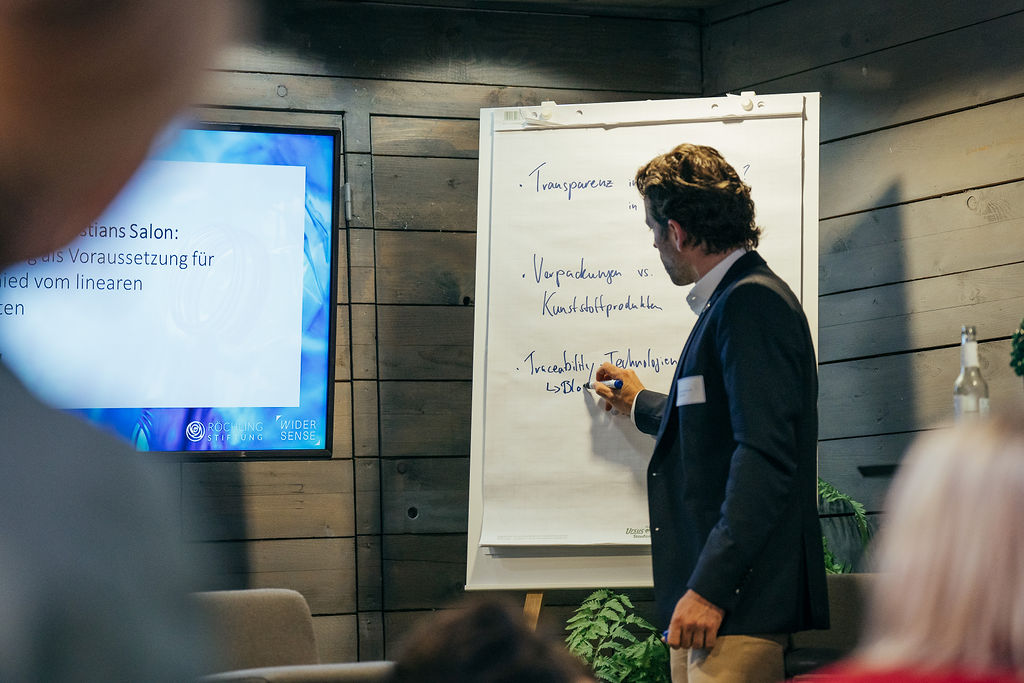
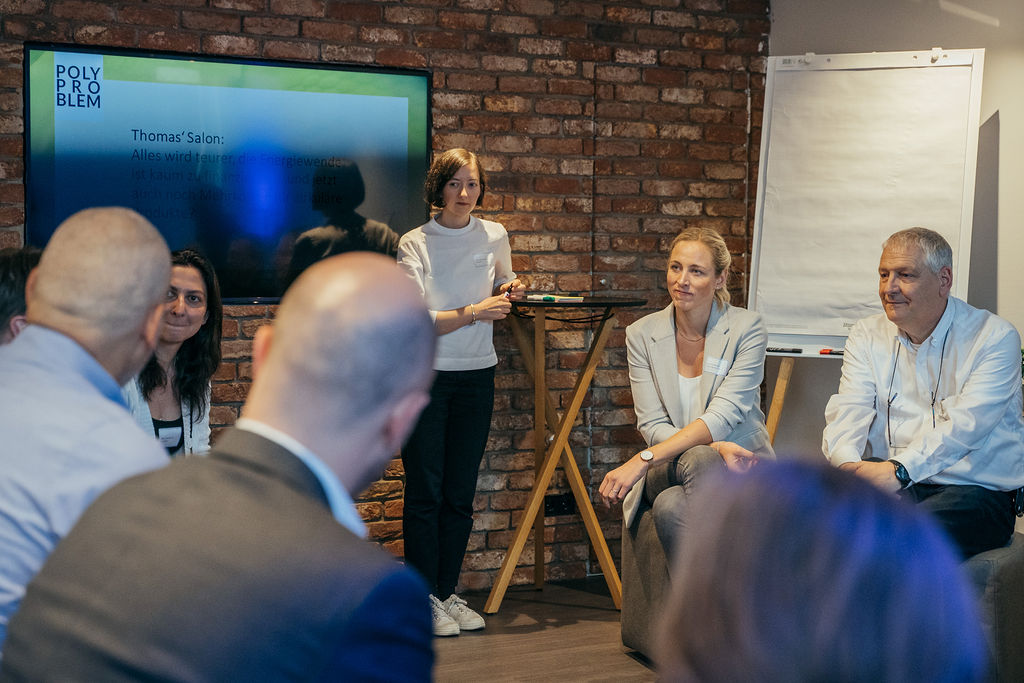
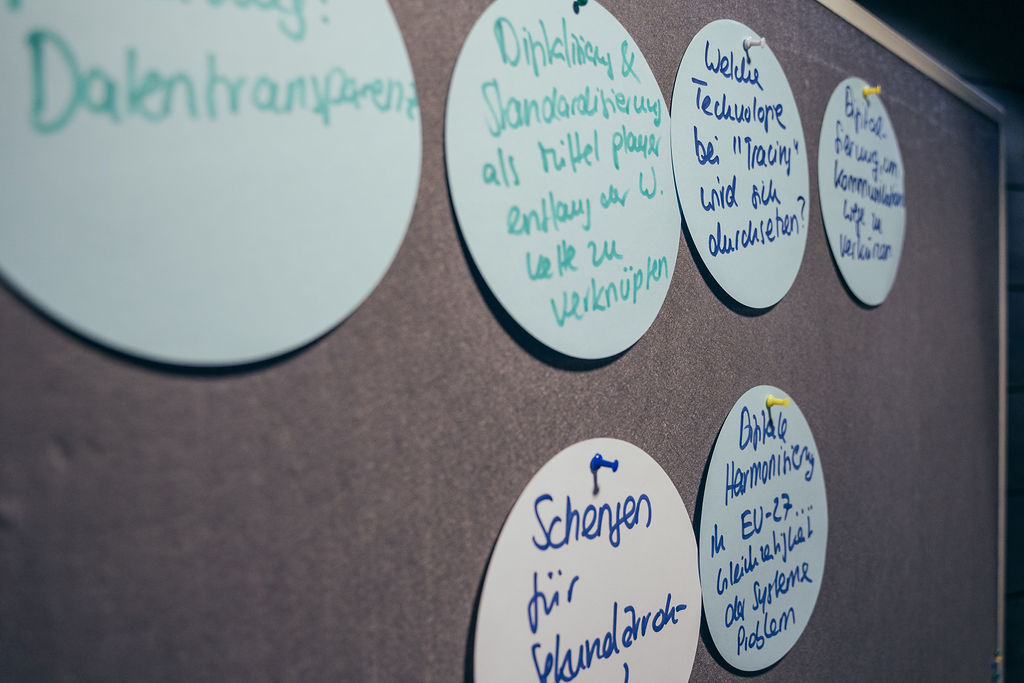
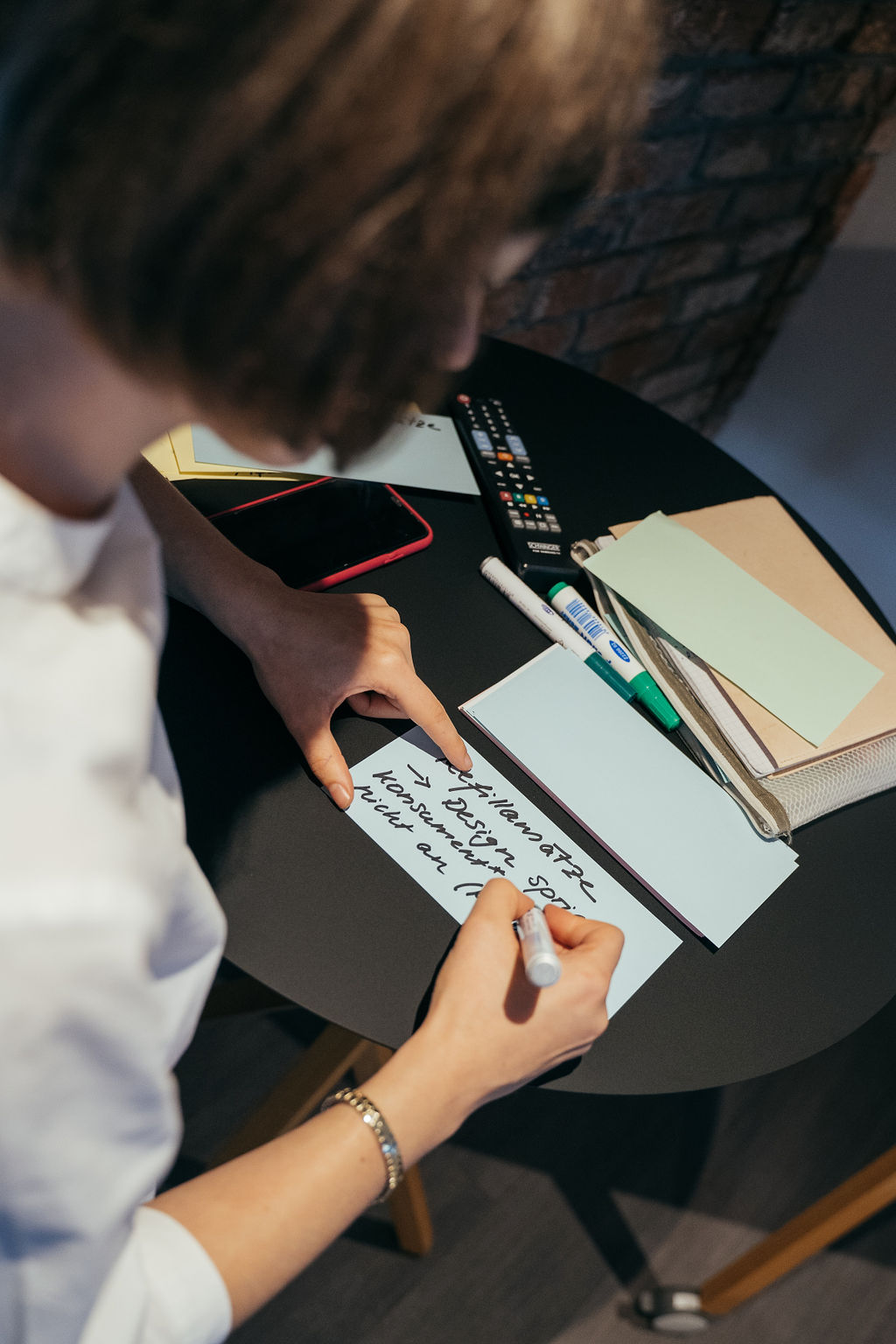
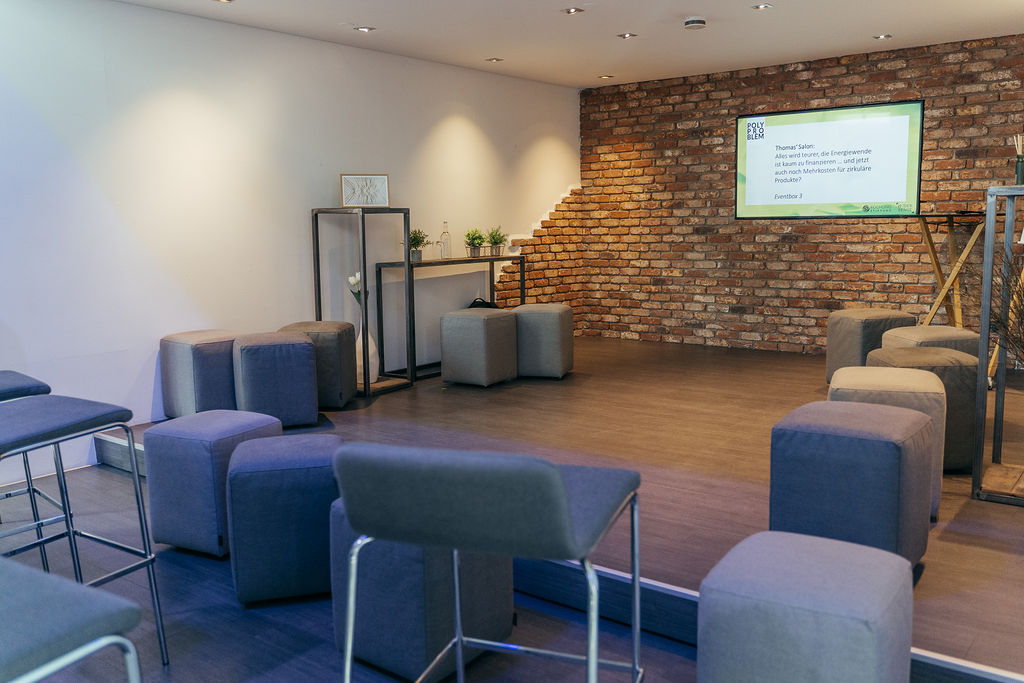
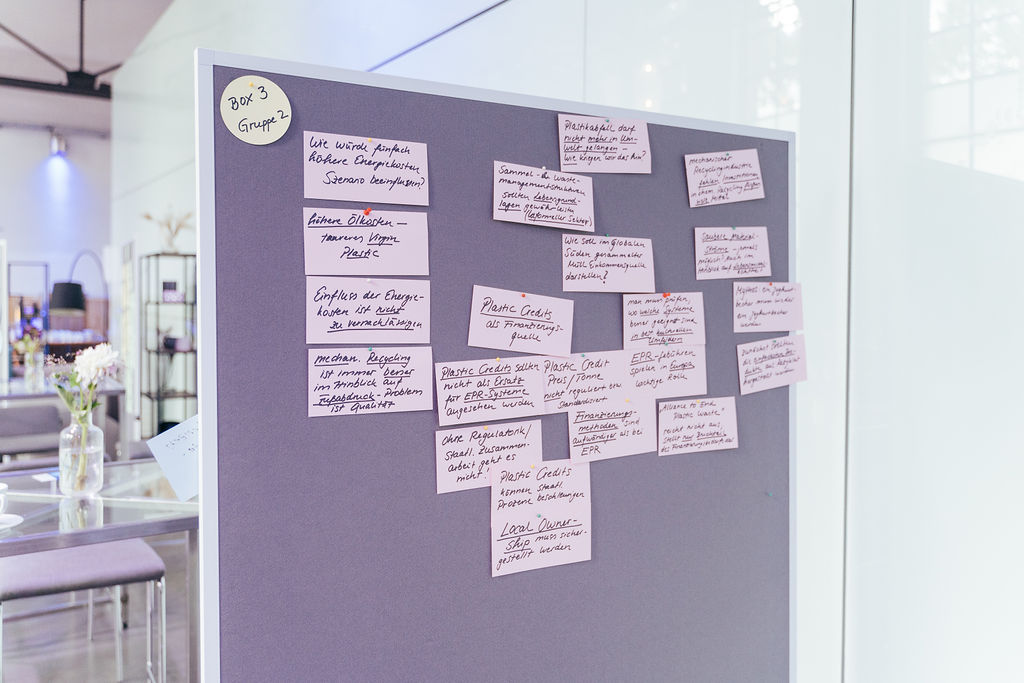
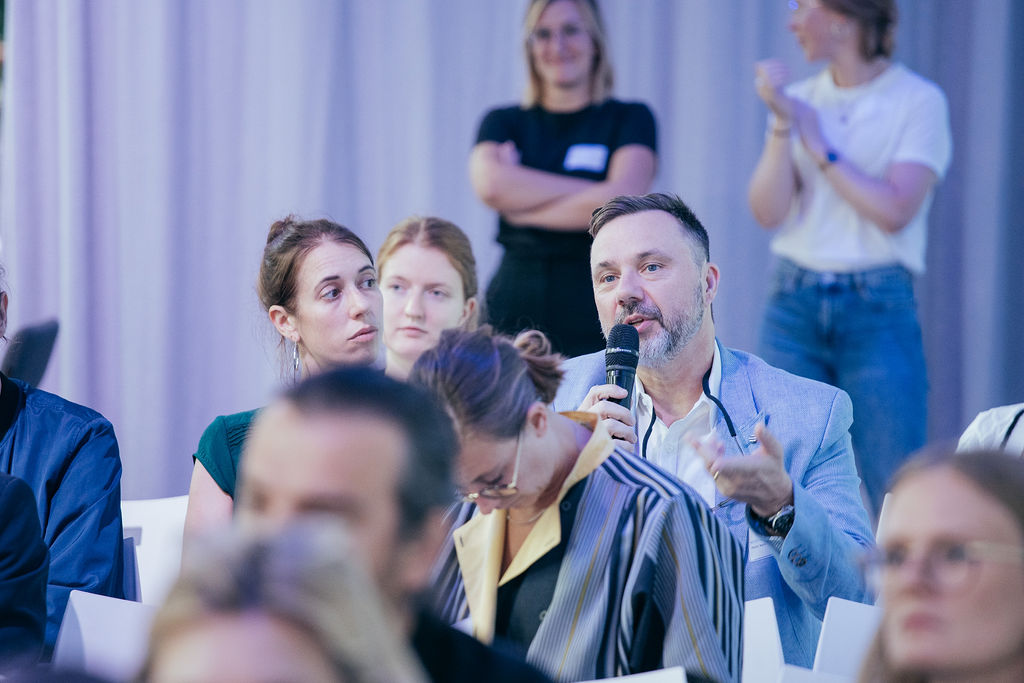
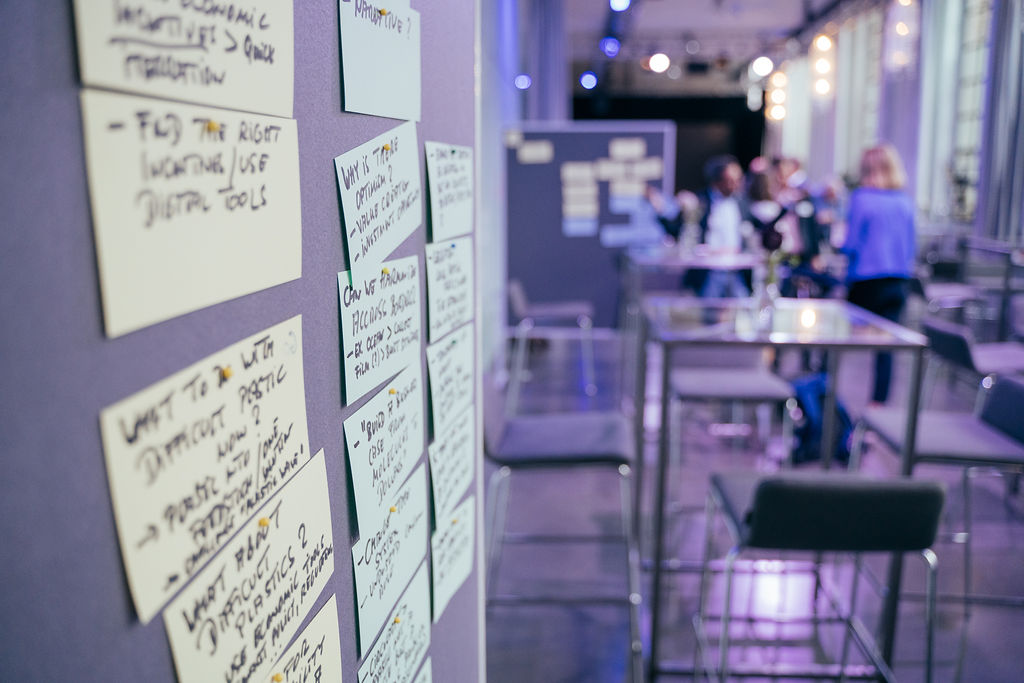
The afternoon in Cologne was then dedicated to an open exchange among professionals from different sectors. In three think spaces, the participants deepened the discussion about opportunities and hurdles on the way to a sustainable approach to plastics.
Photo gallery
Click on a picture to see all pictures.