

POLYPROBLEM Stakeholder Dialogue 2023
The Plastic Reset Only Works Together
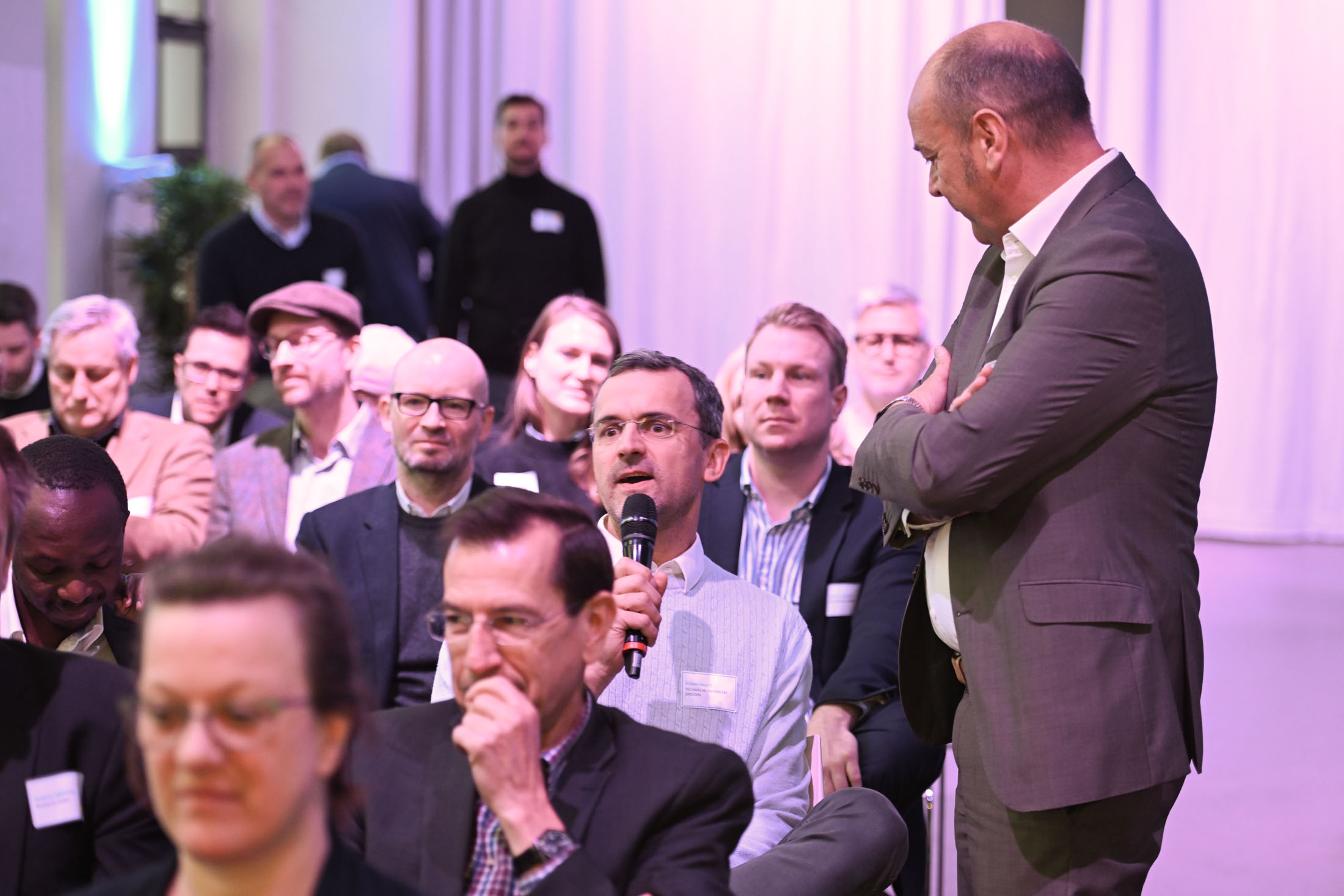
From fledgling startups to international corporations, from environmental NGOs to federal ministries, the POLYPROBLEM Stakeholder Dialogue aims to bring together the entire spectrum of business, politics, and civil society for a day of joint reflection, tinkering, exchange, and sharing of ideas. This plan was also successful at the third event in 2023.
Video Report POLYPROBLEM Stakeholder Dialogue 2023
Many thanks to Stifter TV
SOMETHING DIFFERENT… OR COMPLETELY NEW?
…was the title of the event. Behind it lay the question of whether the continuous development of more sustainable products and services in existing systems is sufficient, or whether the transformation to a more sustainable management of plastics requires more disruption. In other words, how radical can and must the resource turnaround be?
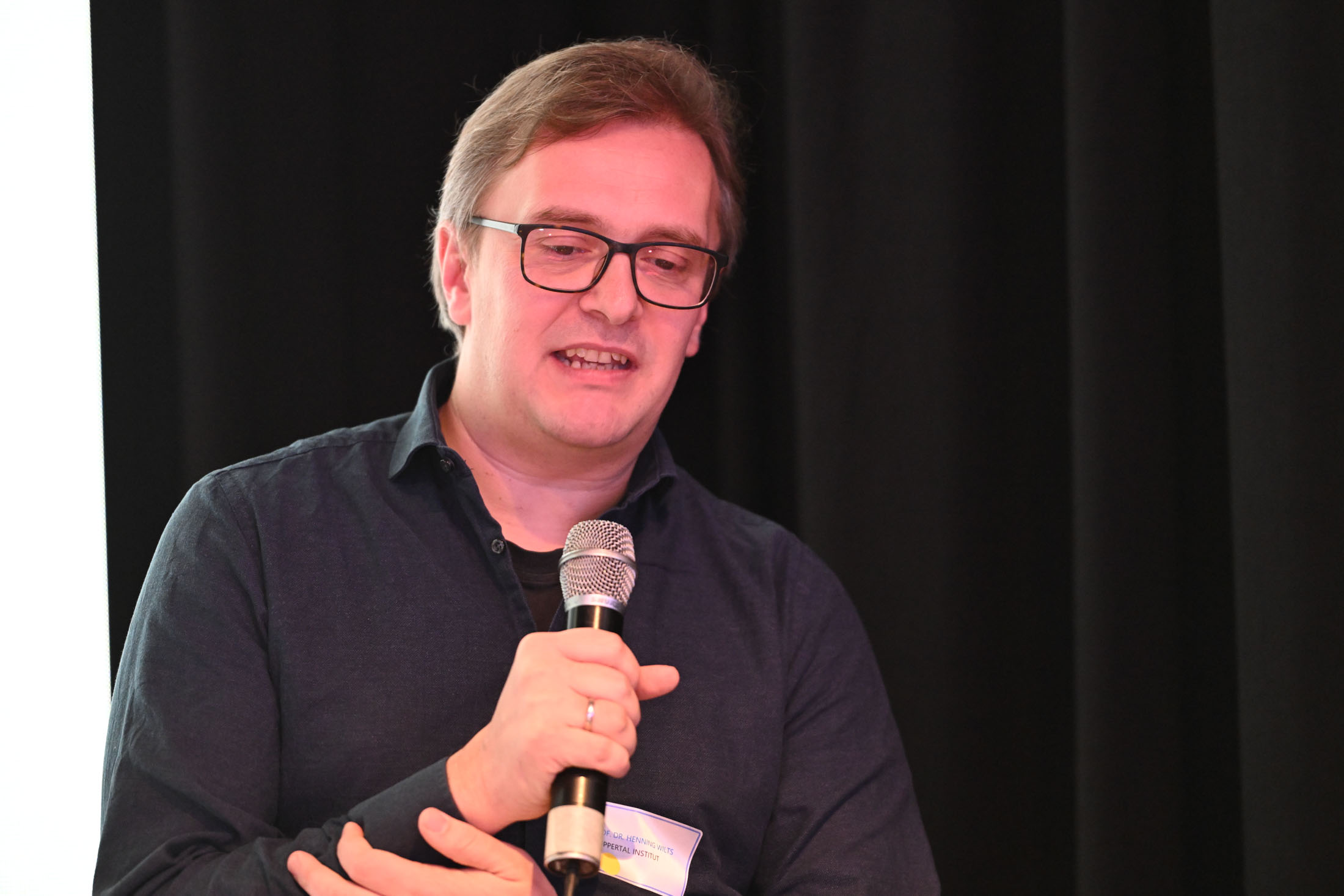
Henning Wilts, circular economy expert at the Wuppertal Institute and professor at the Hafencity University in Hamburg, made it clear that there are successful examples of sufficient business models. Wilts described sufficiency – i.e. managing with limited resources – as the “more difficult, but more resilient business model”. More difficult because it is not well suited to rapid market growth. More resilient because a closer relationship with the demand side is created. This changed perspective on growth pays off, especially in times of crisis.
In order to cope with the climate or plastic waste crisis, a shift towards a new growth paradigm in the economy is essential. “Technical solutions alone will not save us,” the scientist made clear.
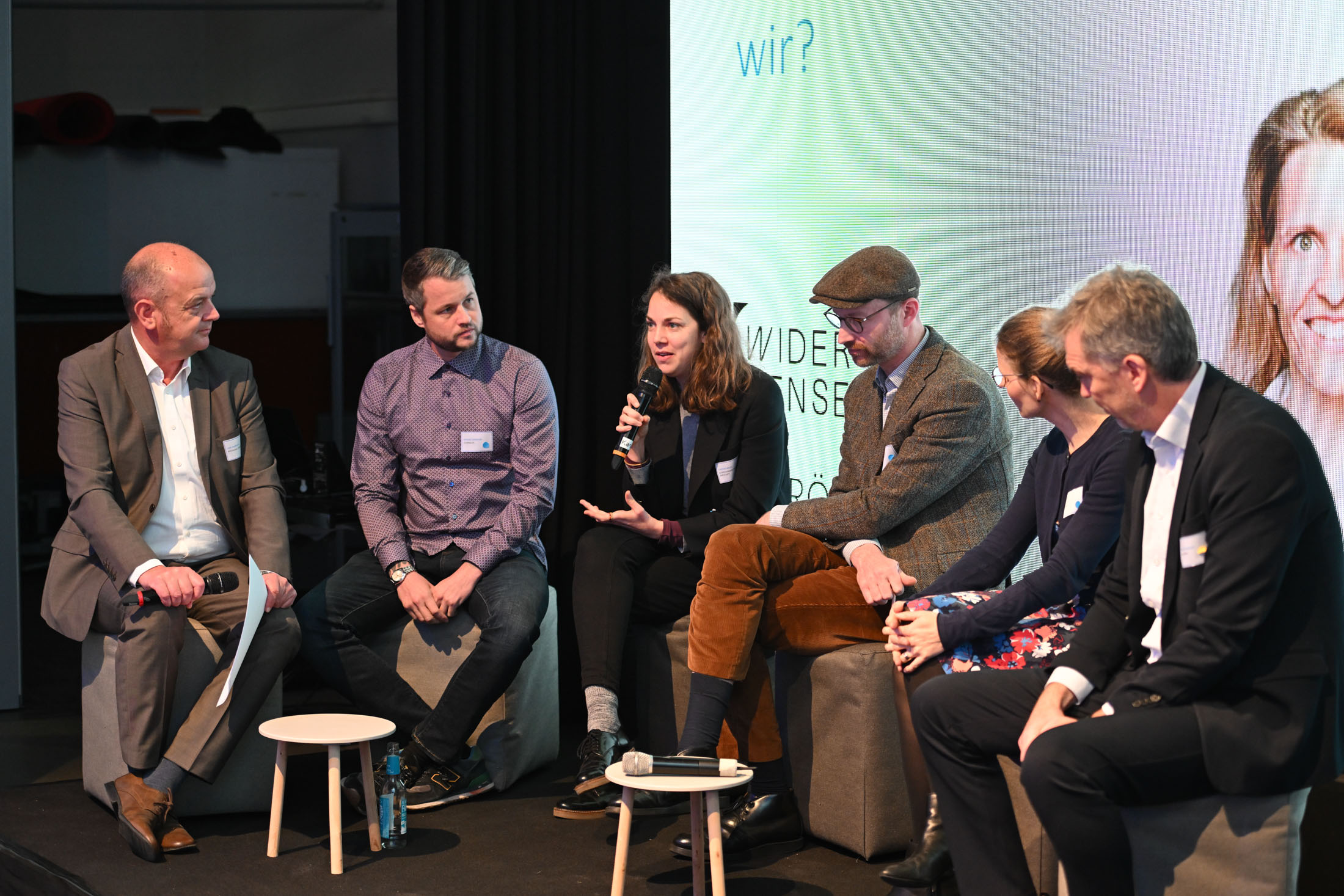
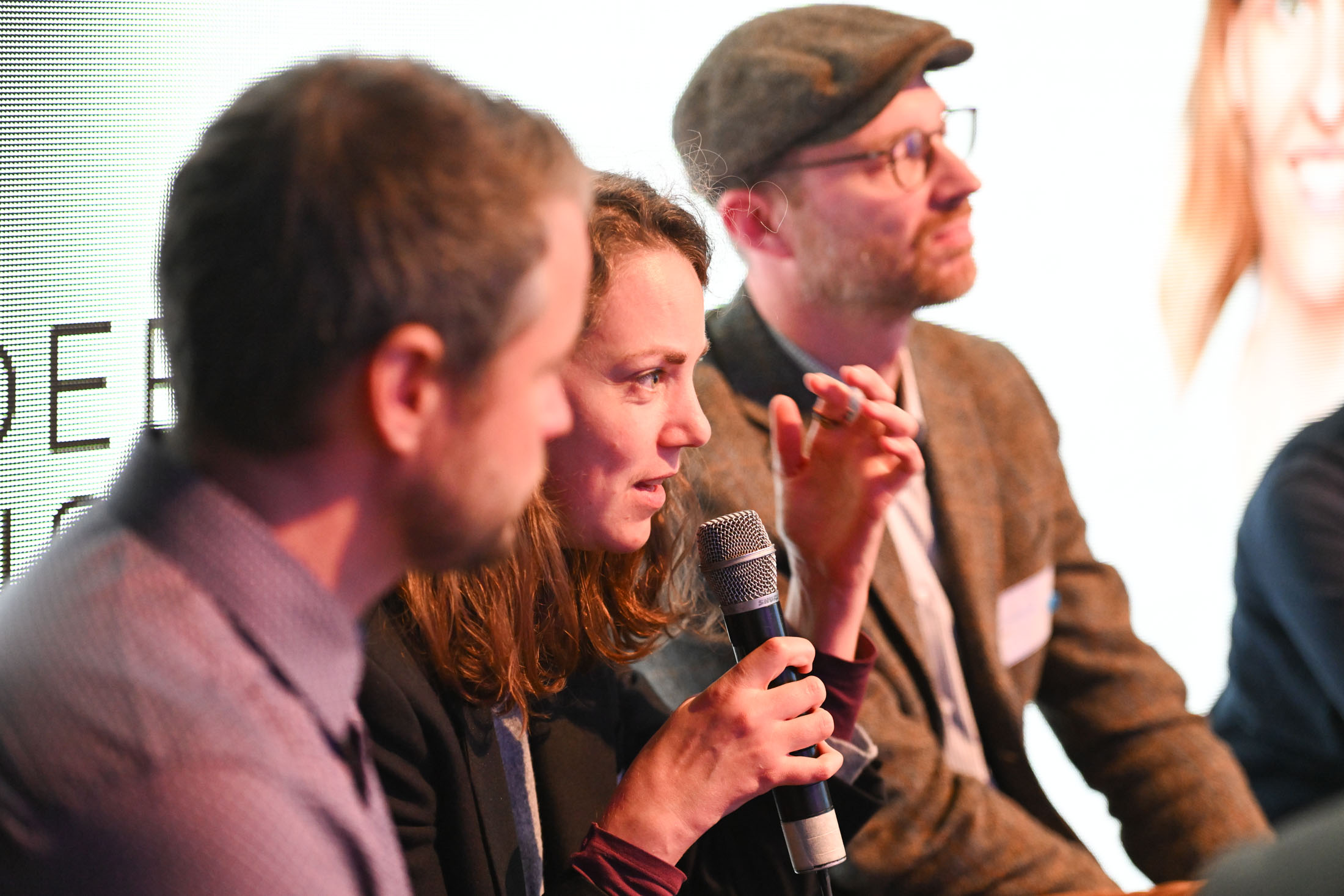
Pia Schnück (REWE), Tom Ohlendorf (WWF), Christine Braun (German Association for Sustainable Business), Ansgar Schonlau (Maag GmbH) and the journalist Benedict Wermter discussed the opportunities for fundamental changes in the management of plastics, but also the limits in business practice.
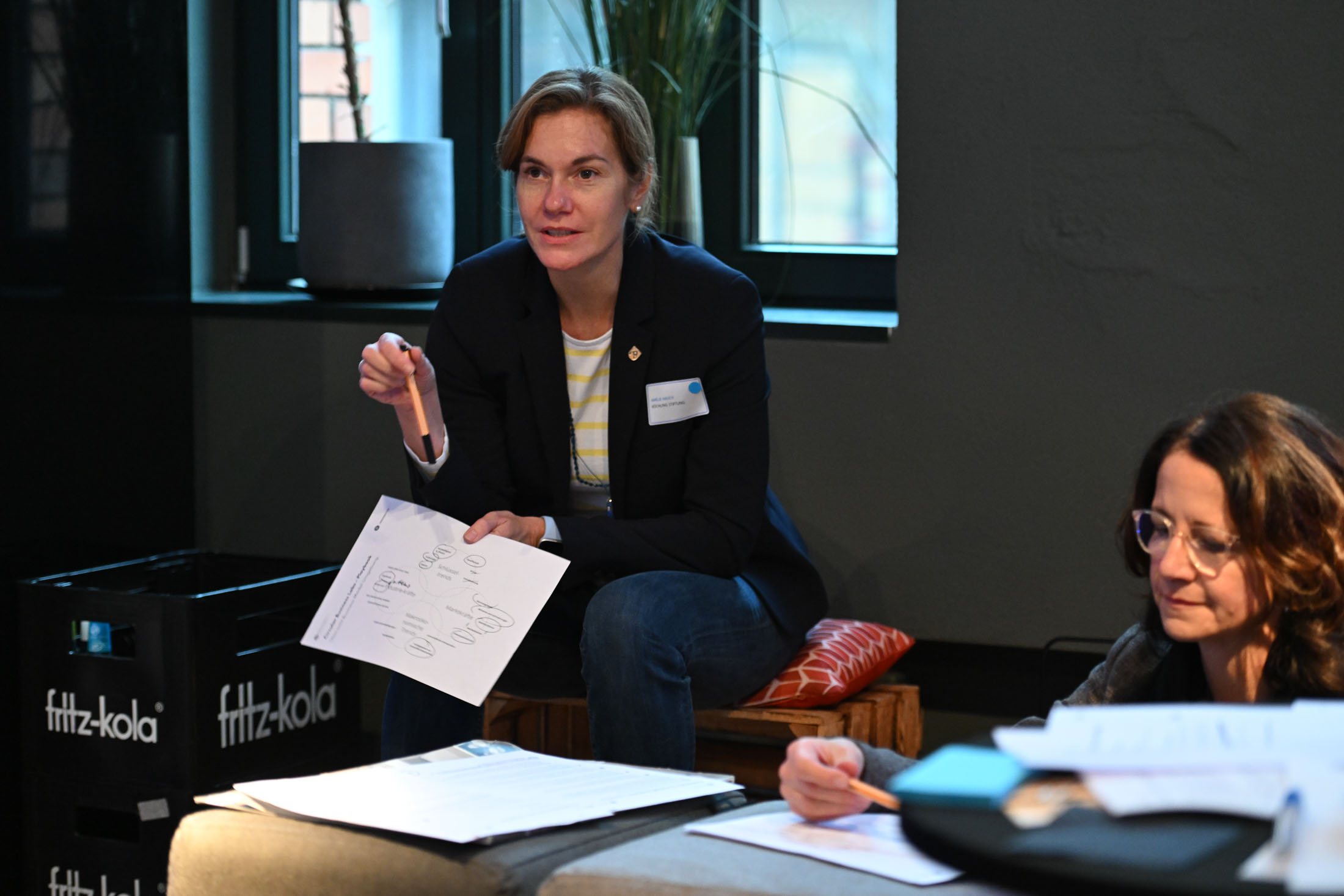
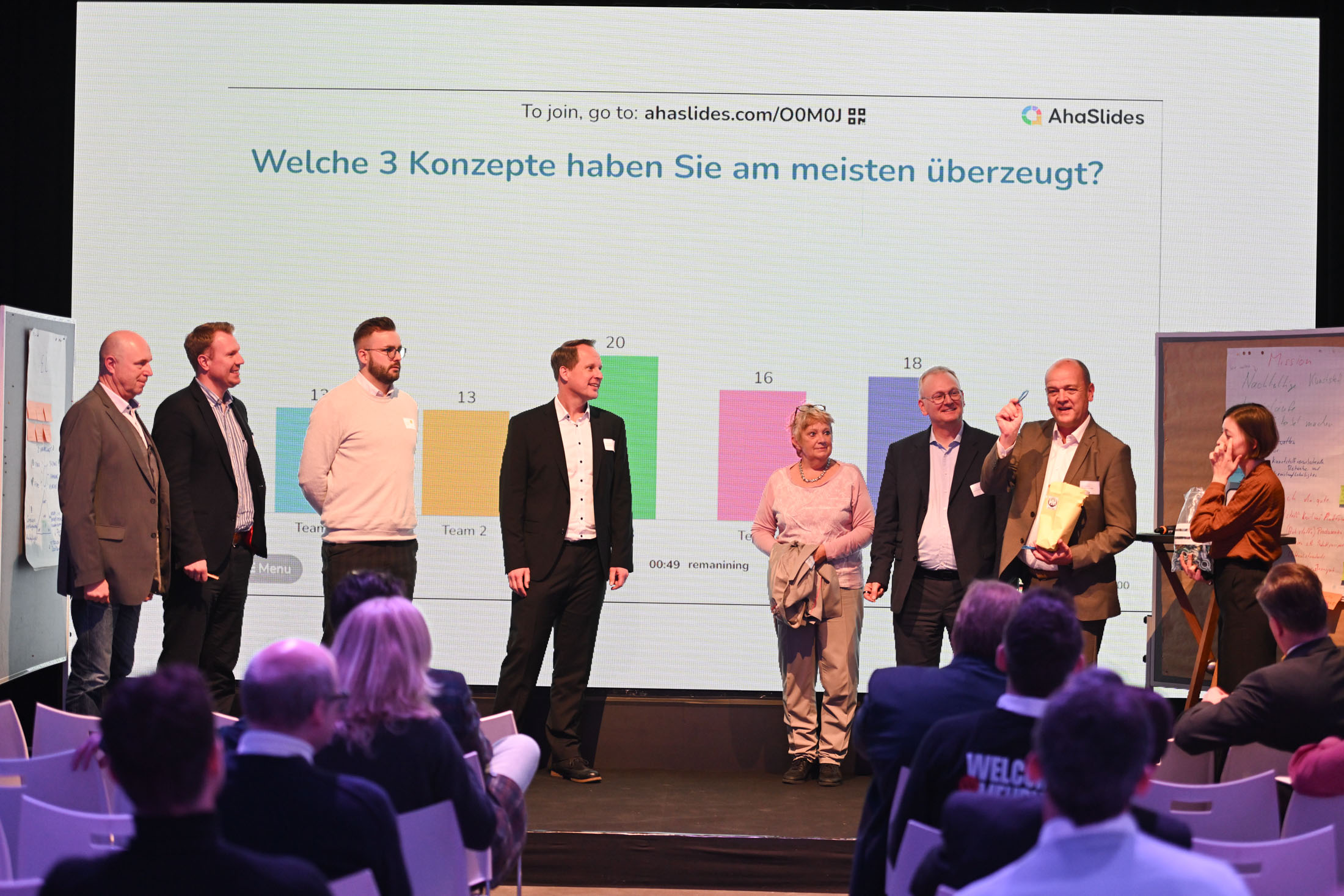
In the afternoon, there was an opportunity for joint experimentation. The Circular Business Labs, conceived and moderated by the plastic think tank HolyPoly, gave participants space to solve concrete business challenges by jointly creating disruptive business models. What does a manufacturer of disposable plastic toys do when its decades-long value creation model no longer works due to increased sustainability awareness and increasing regulations?
The working groups found answers – including a radical departure from short-lived (disposable) products and their own take-back systems.
Not only in the individual sessions, but also in the panel discussion beforehand, it became clear that the system change can hardly be managed alone, despite all the individual creativity and performance of individual players. Business transformation processes also require a new understanding of cooperation between all players along the entire value chain. The days of the ingenious inventor who single-handedly turned an industry upside down seem to be a thing of the past. On the way to a circular economy, in which a product goes through many stages from design to recycling, this applies to a particular extent.
And that was once again the decisive element at the POLYPROBLEM Stakeholder Dialogue in the inspiring atmosphere of the Bauwerk in Cologne: the trusting, open and collegial exchange in a manageable circle of experts.
© Jan Knoff